Hanging Pictures on Plaster Walls
Plaster does not fail like drywall. It cracks outward from the hole and takes a saucer of wall with it, which is why the no-drill route matters more here than anywhere.
By Janet H. · Published

On painted, sealed plaster, adhesive strips work exactly as they do on drywall — the surface is the sealed paint film, not the plaster. On bare, unsealed or chalky plaster, nothing adhesive will hold, and the answer is a picture rail or a drilled fixing with a proper plug.
The thing to know before you touch the wall: plaster fails outward. A nail into drywall makes a hole the size of the nail. The same nail into old plaster can crack a dinner-plate area loose, because plaster is brittle and the layer behind it may be hollow.
Disclosure: Hang & Hue earns commission from qualifying purchases made through the links on this page, at no extra cost to you. As an Amazon Associate we earn from qualifying purchases. It does not change which products we recommend or the order they appear in — read our editorial policy and full affiliate disclosure.
Quick picks
Tap any row to jump to the full write-up.
| # | Product | Best for | Price |
|---|---|---|---|
| 1 | 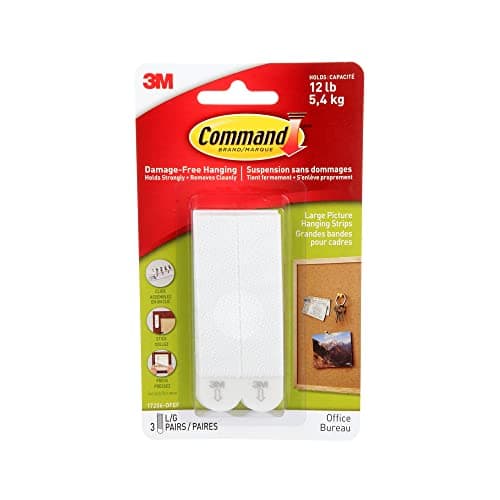 Command Large Picture Hanging Strips (17206) Rated for painted surfaces, which is what sealed plaster is. 4 lb per pair and 16 lb per frame with four pairs, exactly as on drywall, once the paint film passes the pull test. | Best on sealed plaster | $9.99 · View on Amazon #ad How we’re funded · Price as of November 1, 2026 |
| 2 | 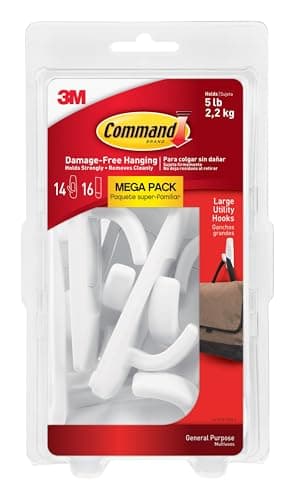 Command Large Wall Hook (17003) Carries more than strips for the same footprint, and the frame hangs free so you can level it by hand - useful on an undulating plaster wall where a tight-mounted frame sits proud at one corner. | Best single fixing | $29.22 · View on Amazon #ad How we’re funded · Price as of November 1, 2026 |
| 3 | 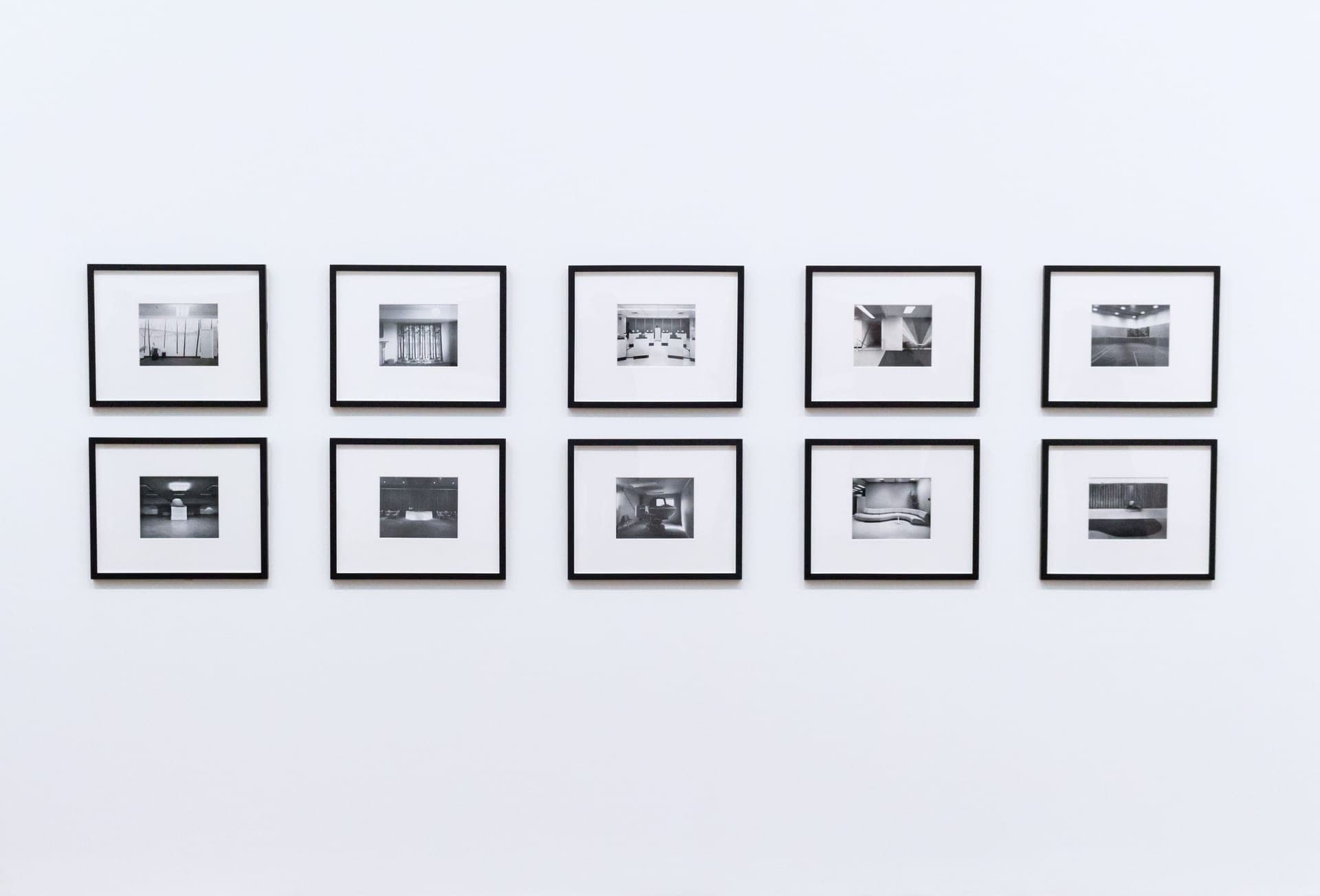 STAS Cliprail Picture Hanging System Set Two properly plugged fixings carry an entire wall, and everything after that hangs from cables. On plaster, where every hole is a risk, concentrating the holes is the whole point. | Best for several pieces | |
| 4 |  FALAMON Magnetic Poster Hanger Frame No glazing, no backing board, one hook. The least you can ask of a fragile wall while still putting something poster-sized on it. | Lightest thing to hang | $6.99 · View on Amazon #ad How we’re funded · Price as of November 1, 2026 |
Is it plaster or drywall?
Worth thirty seconds, because every decision below depends on the answer and the two look identical once painted.
| Test | Plaster | Drywall |
|---|---|---|
| Knuckle rap | Hard, high, almost no give - like tapping stone | Hollow and drummy between studs |
| Push a pin in by hand | Will not go - it stops dead | Goes in with thumb pressure |
| Wall thickness at a socket or switch | Often 3/4 in or more | Typically 1/2 in |
| Age of the building | Pre-1950s construction, and most renovations of them | Post-1950s, and nearly all new build |
| Surface in raking light | Slightly undulating, never perfectly flat | Flat, with visible taped seams |
When adhesive works on plaster
This is the good news and it is widely misunderstood. Adhesive strips are rated for painted surfaces. They do not care what is behind the paint — they bond to the paint film.
So on plaster, adhesive works if and only if:
- The plaster is painted, and the paint is sound. No flaking, no chalking, no powder on your fingers when you rub it.
- The paint has cured. Weeks, not days. Plaster walls are frequently repainted during a renovation and strips applied early pull the film straight off.
- The surface is reasonably flat at the strip position. Old plaster undulates. Pick a flat patch, and check it with the edge of a ruler.
- It is not limewash, distemper or an unsealed heritage finish. These are designed to be permeable and they come away in sheets.
The published weight ratings apply unchanged once the surface passes. Clean with isopropyl alcohol first, never a household spray — but not on fresh paint, which it will lift.
Bare or chalky plaster: the three options
Unpainted plaster is porous and dusty. Adhesive bonds to the dust, the dust lets go of the wall, and the frame comes down. There is no strip or hook that changes this.
- Seal a patch. A coat of primer over the area where the strip will sit turns porous plaster into a sealed surface. It is the cheapest fix and it is reversible with a touch-up. Let it cure for the full stated time, not overnight.
- Fit a picture rail. Two fixings into the wall, properly plugged, and then every piece of art after that hangs from cables with no further holes. On a plaster wall where you want several pieces this is unambiguously the right answer — rail versus adhesive.
- Drill properly, once. If you are allowed to and the piece is permanent, one correctly drilled and plugged fixing does less damage than six failed adhesive attempts. The method is in the next section.
If you do drill plaster, do it this way
Included because getting this wrong is expensive, and because a reader who has to drill should not have to find the method elsewhere.
- Tape the spot. A cross of masking tape over the mark stops the surface spalling as the bit breaks through.
- Drill on rotary only, never hammer. Hammer action on plaster cracks it outward. Use a masonry bit at low speed with steady pressure.
- Drill through the plaster before deciding on the fixing. If the bit suddenly goes free after an inch, you are into a lath cavity and need a cavity anchor. If it keeps biting, it is masonry and takes a plug.
- Never use a self-drilling drywall anchor in plaster. The threads need material to cut into and plaster crumbles instead of threading. This is the single most common plaster mistake.
For heavy pieces on this kind of wall, the heavy mirror method and hanging without a stud cover the load question in detail.
Pick the lightest version of what you want
On a wall this unforgiving, the best decision is usually made at the shop rather than at the wall. Every pound you do not hang is a pound of risk you do not take.
- Acrylic glazing instead of glass. Roughly two and a half times lighter over the same area, which often moves a frame from needing a drilled fixing to being inside the adhesive rating — the glazing comparison.
- A magnetic poster hanger. No glazing and no backing board, hung from one small hook — the hanger roundup.
- Canvas rather than a framed print. No glazing weight at all, at any size — canvas picks.
- A picture ledge on two fixings. Two holes, and then you can lean and rearrange as much as you like — picture ledges.
And for frames specifically chosen to work with adhesive, the strip-friendly frame roundup screens for flat backs and plastic glazing.
The picks in full
Each entry states what it is for, the specification that decides it, and who should skip it.
1. Best on sealed plaster
Command Large Picture Hanging Strips (17206)
3M Command
Rated for painted surfaces, which is what sealed plaster is. 4 lb per pair and 16 lb per frame with four pairs, exactly as on drywall, once the paint film passes the pull test.
- Rated weight
- 4 lb per set (pair)
- Max per frame
- 16 lb using four pairs
- Wall types
- Painted drywall, finished wood, tile, metal, glass
- Removal
- Stretch-release tab
The spec that decides it: 4 lb per pair, rated for painted surfaces including painted plaster.
Skip it if: The plaster is bare, chalky or limewashed, because there is nothing to bond to.
#ad How we’re funded · Price as of November 1, 2026
2. Best single fixing
Command Large Wall Hook (17003)
3M Command
Carries more than strips for the same footprint, and the frame hangs free so you can level it by hand - useful on an undulating plaster wall where a tight-mounted frame sits proud at one corner.
- Rated weight
- 5 lb
- Hook style
- Plastic, white
- Wall types
- Painted drywall, finished wood, tile, metal, glass
- Removal
- Stretch-release tab
The spec that decides it: Rated adhesive hook with a stretch-release tab, no drilling.
Skip it if: The frame has no D-ring or wire on the back.
#ad How we’re funded · Price as of November 1, 2026
3. Best for several pieces
STAS Cliprail Picture Hanging System Set
STAS
Two properly plugged fixings carry an entire wall, and everything after that hangs from cables. On plaster, where every hole is a risk, concentrating the holes is the whole point.
- Coverage
- Sets sized from about 4.9 ft to 29.5 ft of wall
- Rated load
- Cliprail Pro: up to 99 lb per 39.25 in of rail (manufacturer figure)
- Adjustment
- Hooks and cords slide along the rail — no new holes to move a frame
- Wall damage
- One row of screw holes at the top of the wall
The spec that decides it: Wall-mounted rail with cable hangers; load carried at the rail fixings.
Skip it if: You are hanging one picture, because the rail is more work than the job needs.
4. Lightest thing to hang
FALAMON Magnetic Poster Hanger Frame
FALAMON
No glazing, no backing board, one hook. The least you can ask of a fragile wall while still putting something poster-sized on it.
- Construction
- Two teak wood rails that clamp the poster magnetically
- Glazing
- None — the poster face is left open
- Sizes
- Rail widths for 12 in wide posters: 12x16, 12x18, 12x24
- Hanging
- Hangs from a cord on a single hook or adhesive hook
The spec that decides it: Teak magnetic rails, cord-hung from a single fixing.
Skip it if: The print needs protecting, because the paper face is left open.
#ad How we’re funded · Price as of November 1, 2026
Common questions
Can you use Command strips on plaster walls?
Yes, on painted plaster where the paint is sound and fully cured, because the strip bonds to the paint film rather than to the plaster. No, on bare, chalky, limewashed or distempered plaster - those surfaces are porous and the adhesive takes the dust rather than the wall.
How do you tell if a wall is plaster or drywall?
Push a pin in with your thumb. If it goes in, it is drywall; if it stops dead, it is plaster. A knuckle rap is the other quick test: plaster sounds hard and high, drywall sounds hollow between studs. Plaster is also usually 3/4 inch or thicker at a socket cutout, where drywall is about 1/2 inch.
Why does plaster crack when you hammer a nail in?
Plaster is brittle and often has a cavity behind it, so it fails outward rather than locally. A nail that would make a neat hole in drywall can crack a plate-sized area loose in plaster. Tape the spot first, drill on rotary only with a masonry bit, and never use hammer action.
What anchor should you use in a plaster wall?
Not a self-drilling drywall anchor - the threads need material to cut into and plaster crumbles instead of threading. Drill through the plaster first and see what is behind it: a cavity anchor if the bit goes free into a lath void, a masonry plug if it keeps biting into brick or block.
How do you hang pictures on plaster without drilling?
On painted plaster, adhesive strips rated for painted surfaces, after a one-strip test low down behind furniture. On bare plaster, prime a patch to seal it, or fit a picture rail so two properly plugged fixings carry everything after that. Reduce the weight too - acrylic glazing rather than glass, or a canvas.
Sources for the figures on this page
Read next
- Hanging on Textured Walls
Why adhesive fails on orange peel, knockdown and popcorn — and the three fixings that hold on a textured wall.
- Hanging Pictures on Brick Without Drilling
Brick clips, the fitment measurement that decides whether they work, and what to do on painted or irregular brick.
- Hanging Pictures Without Studs
Published ratings for every fixing that works in hollow drywall with no stud, from 4 lb adhesive strips to a 200 lb no-stud hanger.
- Picture Rail vs Adhesive Hanging
Weight ceilings, install cost and what happens the third time you rearrange the wall.
- How Much Weight Can Command Strips Hold?
Published per-pair and per-frame weight ratings for every strip size, the ceiling by frame size, and the three things that make a correctly rated strip fail anyway.
- How to Hang Pictures Without Nails
Every no-nail method ranked by rated weight capacity, from 1 lb poster strips to a 35 lb drywall hook.
- Best Picture Frames for Command Strips
Frames chosen for adhesive hanging: plastic glazing, flat backs and no protruding hardware, with the weight ceilings that decide each size.
- Hanging Pictures on Concrete Without Drilling
How to tell a sealed concrete wall from a porous one, what adhesive can and cannot do on each, and the three no-drill methods that work regardless.