Where to Buy Art Prints
Five routes, and one simple test that tells you whether there is an artist behind the listing at all.
By Janet H. · Published
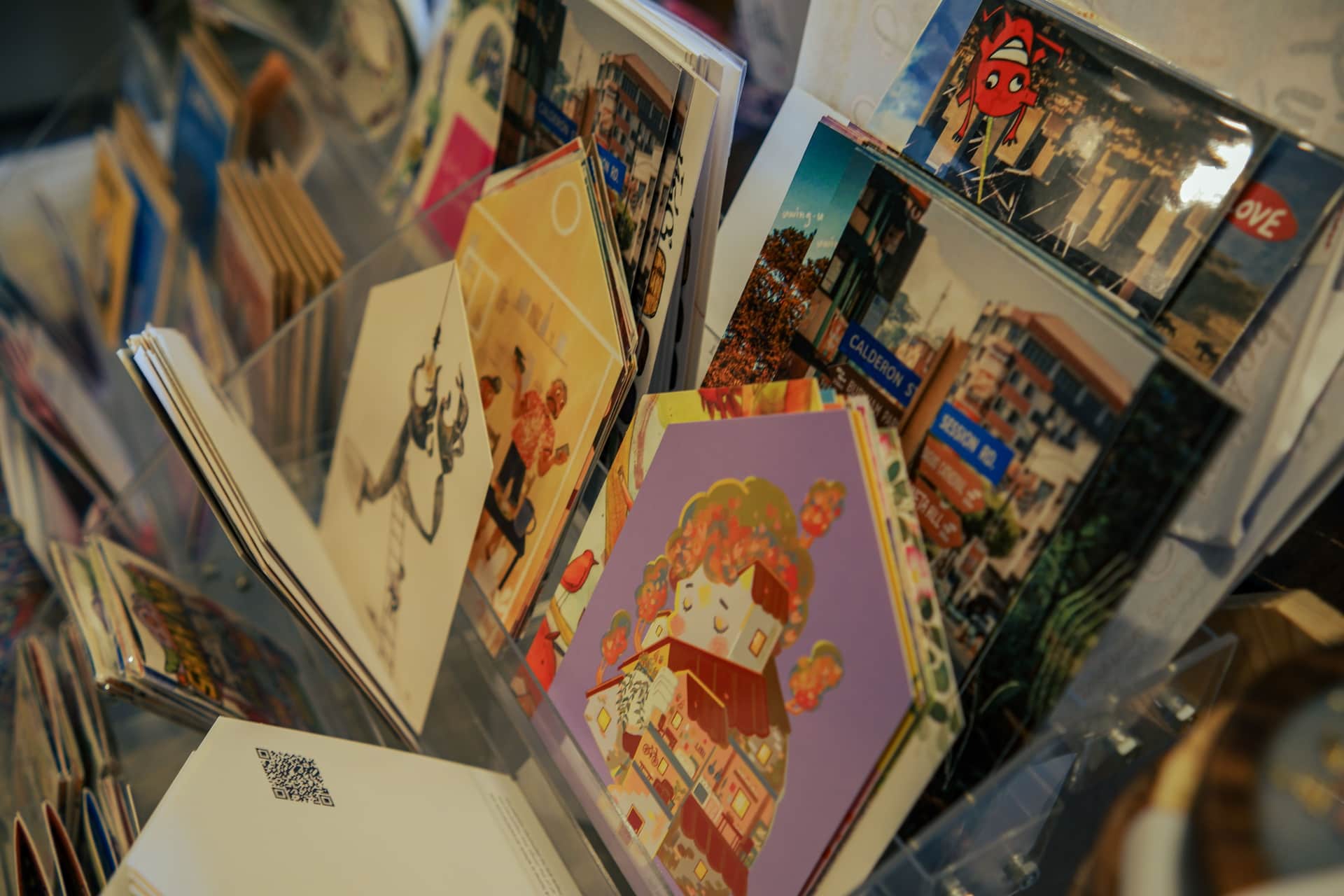
Check whether a named artist is credited. That single test separates mass-market licensed stock imagery from work somebody actually made. Neither is wrong, but they are priced differently and they age differently, and the listing rarely says which you are looking at.
Five routes, each good at something different. Most people should use two: a mainstream retailer for scale and a named-artist source for the one piece that matters.
Disclosure: Hang & Hue earns commission from qualifying purchases made through the links on this page, at no extra cost to you. As an Amazon Associate we earn from qualifying purchases. It does not change which products we recommend or the order they appear in — read our editorial policy and full affiliate disclosure.
Quick picks
Tap any row to jump to the full write-up.
| # | Product | Best for | Price |
|---|---|---|---|
| 1 | 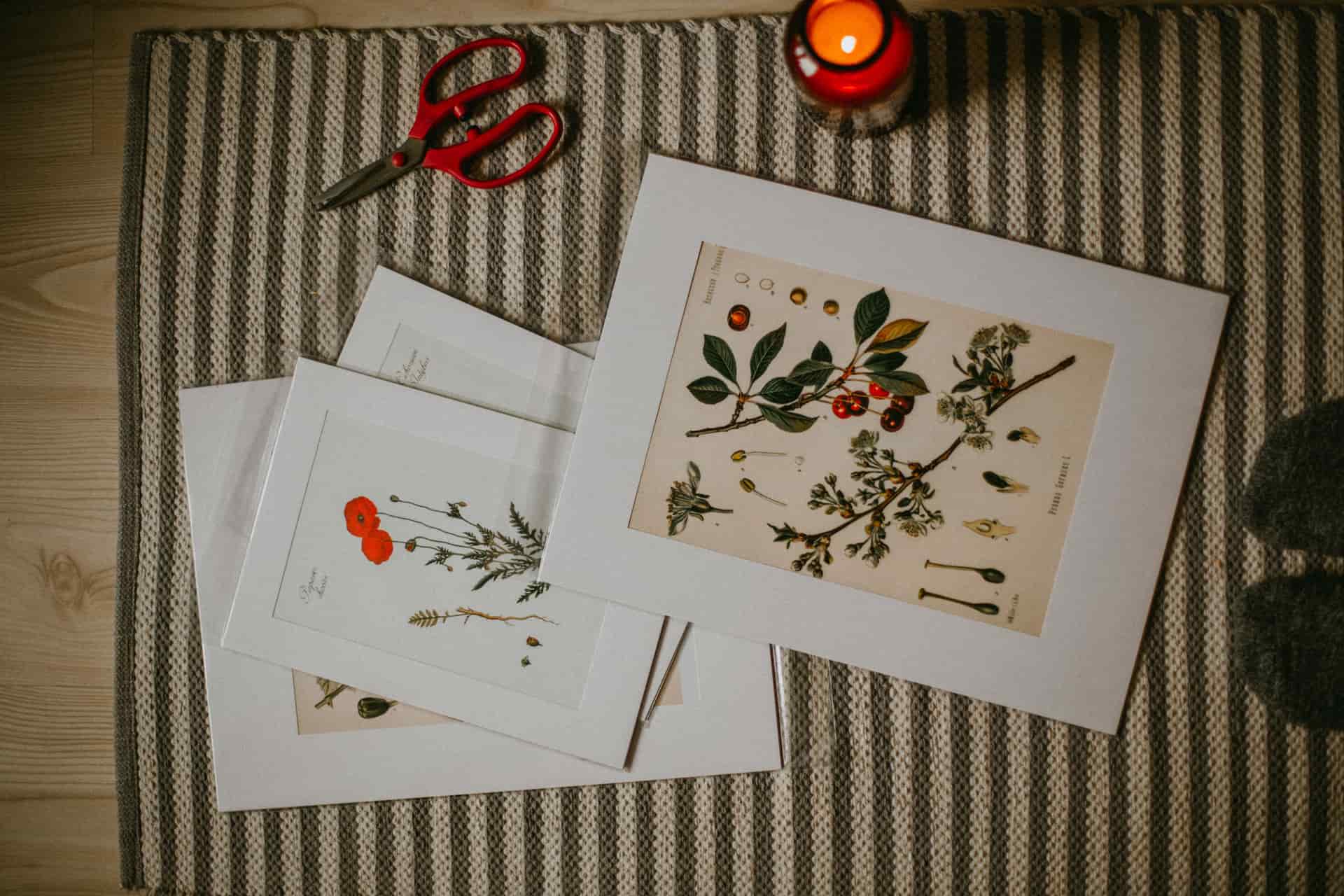 Americanflat Art Print Set Unframed sets in standard frame sizes with a reconciled palette — the fastest route to a wall that holds together, and no custom framing. | Best coordinated starting point | |
| 2 |  Stupell Industries Framed Canvas Wall Art Arrives framed and ready, which removes the framing decision entirely. Printed in the USA across a very wide subject range. | Best ready-to-hang route | |
| 3 | Amanti Art Framed Canvas Wall Art Framed formats up to oversize, which is the size most print sources stop short of and the one a living room actually needs. | Best for one large piece | |
| 4 | 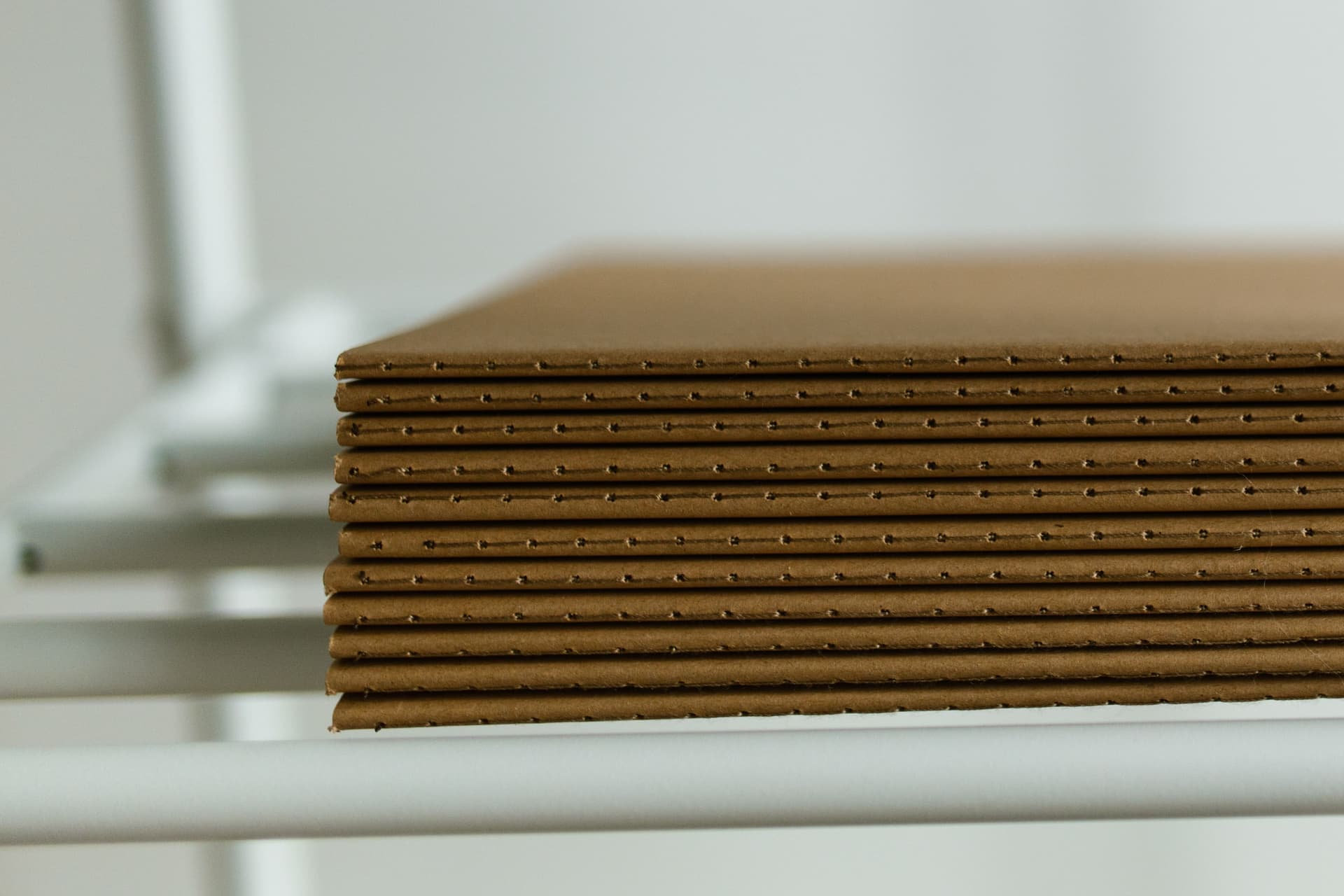 Golden State Art Pre-Cut Mat Board The same white acid-free mat in every frame turns prints from five different places into one collection. | Best way to reconcile mixed sources |
The five routes
| Route | Good for | Watch for | Artist credited? |
|---|---|---|---|
| Mainstream online retailers | Standard sizes, fast delivery, coordinated sets | Mockup photos showing frames that are not included | Usually not — mostly licensed stock |
| Print-on-demand marketplaces | Enormous range, artists upload their own work | Print quality varies by fulfiller, not by artist | Yes, normally |
| Artist-run stores | The best route for one piece you care about | Small runs sell out; shipping takes longer | Yes, obviously |
| Museum and gallery shops | Reproductions of known work, reliably well printed | Sizes are fixed and often non-standard | Yes — the original artist |
| Local art fairs and markets | Originals and small runs; you meet the maker | Sizes are whatever the artist chose, so framing costs more | Yes |
Buy to a standard size wherever you can
This matters more than where you buy. A print in a standard size goes into a stock frame; a print in an artist’s chosen size needs a custom mat or a custom frame, and that is where the cost of the project actually lives.
Where a piece is genuinely worth it in an odd size, a custom mat inside a stock frame is nearly always cheaper than a custom frame, and a float frame handles sizes nothing else will. The sizes chart, the mat chart and floating frames.
What to read on the listing
- Paper weight in gsm. Over about 200 gsm indicates a genuine fine-art stock. Its absence usually means thin poster paper.
- Ink type. “Giclee” and “archival pigment” mean something specific. “High quality” does not.
- Whether a frame is included. Many listings photograph an unframed print inside a mockup frame. Check what actually ships.
- Edition size. A numbered edition tells you the run is limited. An open edition means unlimited, which is fine but is not what “limited” implies.
- Shipping method. Rolled is normal above a certain size. Flat between boards is better for smaller prints and suggests more care.
Building a wall from several sources
Buying from several places is how most collections actually happen, and it is also how walls end up incoherent. The fix is the same as on any mixed gallery wall: hold one thing constant.
The easiest constant is the mat — the same white mat in every frame reconciles prints from five sources. The second easiest is the frame finish. Matching versus mixed frames covers the rule, and affordable art prints covers doing it cheaply.
The picks in full
Each entry states what it is for, the specification that decides it, and who should skip it.
1. Best coordinated starting point
Americanflat Art Print Set
Americanflat
Unframed sets in standard frame sizes with a reconciled palette — the fastest route to a wall that holds together, and no custom framing.
- Format
- Unframed paper prints, sold as coordinated sets
- Sizes
- Standard frame sizes so no custom framing is needed
- Best for
- Filling a frame set you already own
- Shipping
- Flat or rolled depending on size
The spec that decides it: Coordinated sets printed to standard frame sizes.
Skip it if: You want work by a named artist — coordinated sets are usually licensed imagery.
2. Best ready-to-hang route
Stupell Industries Framed Canvas Wall Art
Stupell Industries
Arrives framed and ready, which removes the framing decision entirely. Printed in the USA across a very wide subject range.
- Formats
- Stretched canvas, floater-framed canvas, wood plaque, framed giclee
- Construction
- Hand-stretched over a wooden frame
- Hanging
- Arrives ready to hang
- Origin
- Printed in the USA
The spec that decides it: Hand-stretched canvas and framed formats, ready to hang out of the box.
Skip it if: The room is humid or greasy — canvas belongs in neither.
3. Best for one large piece
Amanti Art Framed Canvas Wall Art
Amanti Art
Framed formats up to oversize, which is the size most print sources stop short of and the one a living room actually needs.
- Formats
- Framed canvas and framed prints
- Sizes
- Small through oversize statement pieces
- Hanging
- Arrives ready to hang
- Finishes
- Multiple frame finishes per image
The spec that decides it: Framed canvas and prints up to oversize statement sizes.
Skip it if: You are filling a gallery wall — sets are the cheaper route to several pieces.
4. Best way to reconcile mixed sources
Golden State Art Pre-Cut Mat Board
Golden State Art
The same white acid-free mat in every frame turns prints from five different places into one collection.
- Cut
- Pre-cut bevel opening, standard step-down sizes
- Material
- Acid-free board with backing and a clear sleeve on most packs
- Sizes
- Common pairs such as 11x14 matted to 8x10
- Packs
- Singles and multi-packs
The spec that decides it: Pre-cut acid-free mats in standard step-down pairs.
Skip it if: Every print is already matted consistently — the job is done.
Common questions
Where can you buy art prints from real artists?
Artist-run online stores, print-on-demand marketplaces where artists upload their own work, museum and gallery shops, and local art fairs. The practical test on any listing is whether a named artist is credited — mass-market wall art usually credits nobody.
Is mass-market wall art worth buying?
At the price, yes — and this site recommends plenty of it. It is mostly licensed stock imagery printed on demand, which is why so much of it looks alike. Knowing that is useful, because buying from a working artist is often not much more expensive.
What size art prints should you buy?
Standard sizes wherever possible — 8x10, 11x14, 16x20, 18x24 or 24x36 — because a standard print goes into a stock frame. Custom sizing is where the cost of a framing project actually lives, not in the print itself.
How do you tell a good art print listing from a poor one?
Look for a stated paper weight over about 200 gsm, the words giclee or archival pigment, a named artist and an edition size. Then check whether the frame in the photograph is actually included — many listings use mockup frames.
How do you make prints from different places look good together?
Hold one thing constant across the whole wall. The easiest is the mat — the same white mat in every frame reconciles prints from five different sources. The second easiest is a single frame finish.
Sources for the figures on this page
Read next
- Best Affordable Art Prints
Why standard sizing is the real saving, where to buy coordinated sets, and what makes cheap art look cheap.
- Poster vs Art Print
Paper stock, printing method, longevity and framing treatment — how to tell the two apart and which you need.
- How to Make Cheap Art Look Expensive
Matting, scale, hanging height, frame consistency and glazing — the five changes that do almost all the work.
- Picture Frame Sizes Chart
Every standard frame size with its unmatted and matted capacity — the table to check before you order anything.
- Matching vs Mixed Frames
The four variables on a gallery wall, how many you can change at once, and why mixed walls usually fail.
- How to Flatten a Rolled Poster
The 48-hour weight method, the stubborn-curl variations, and why heat is the one thing never to use.