Poster vs Art Print
Two words used interchangeably for two genuinely different products. The difference is in the paper.
By Janet H. · Published

A poster is mass-printed on thin stock and meant to be replaced. An art print is printed on heavier archival paper, often in a limited run, and meant to be framed and kept.
Both can carry any subject, so the words tell you nothing about the image. They tell you about the paper, the printing method and how long the thing will last on a wall.
Disclosure: Hang & Hue earns commission from qualifying purchases made through the links on this page, at no extra cost to you. As an Amazon Associate we earn from qualifying purchases. It does not change which products we recommend or the order they appear in — read our editorial policy and full affiliate disclosure.
Quick picks
Tap any row to jump to the full write-up.
| # | Product | Best for | Price |
|---|---|---|---|
| 1 |  Americanflat Art Print Set Unframed prints in standard frame sizes, sold as coordinated sets — which removes both the custom-framing cost and the matching problem. | Best print sets | |
| 2 | 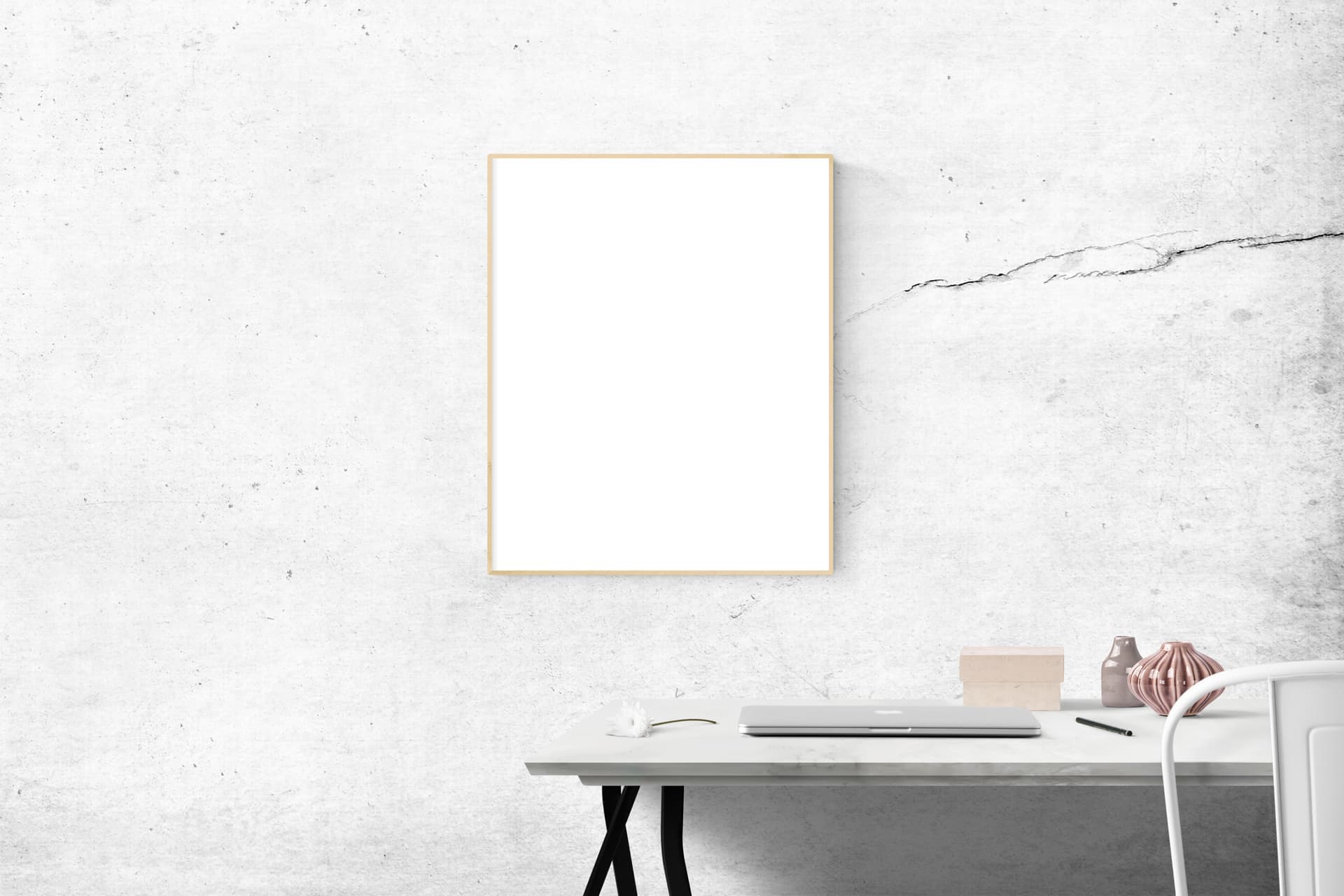 Americanflat Poster Frame Shatter-resistant plexiglass across the standard poster sizes, light enough to hang on adhesive strips. | Best poster frame | |
| 3 | 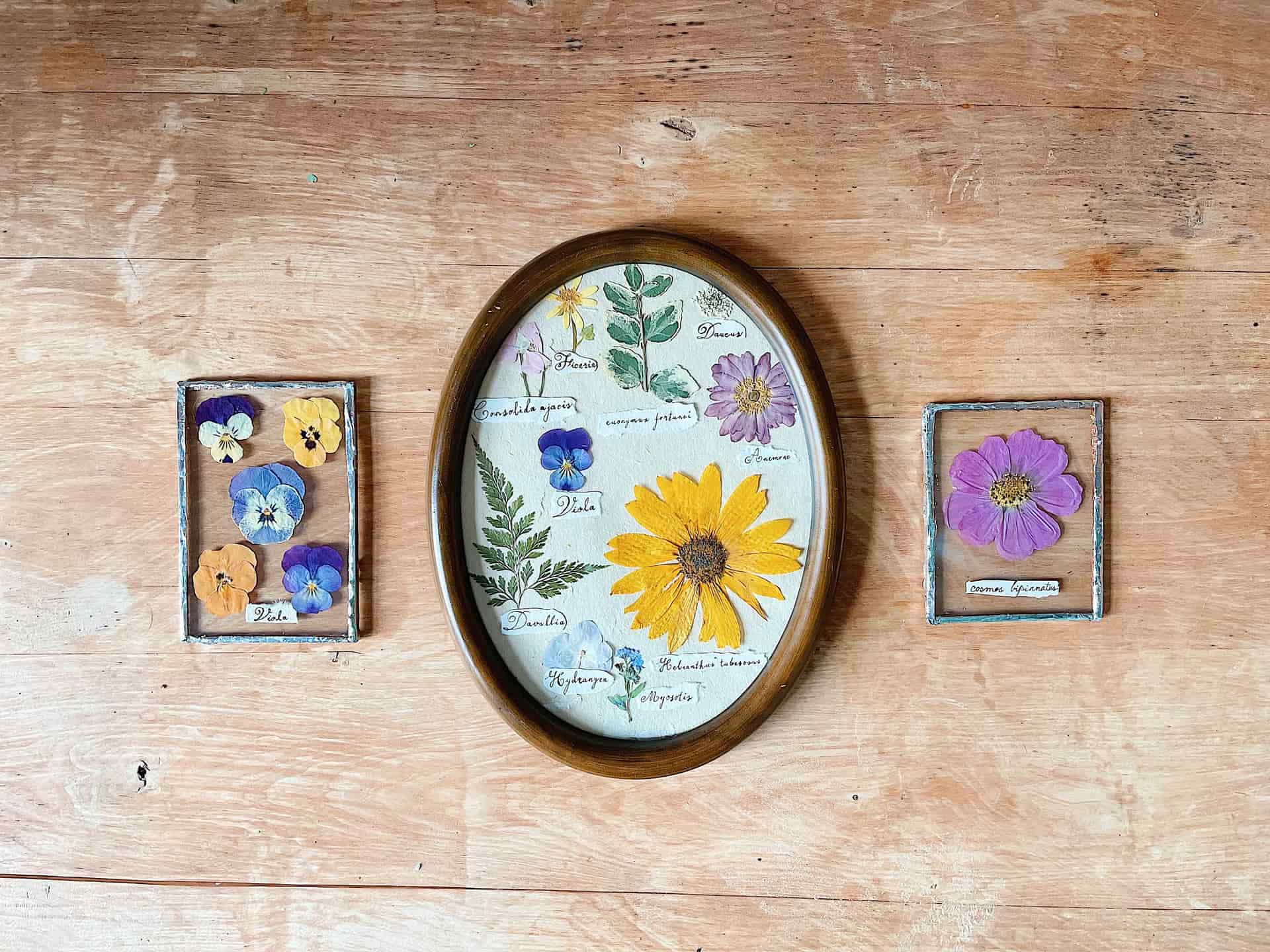 Americanflat Floating Frame Double-glazed, so the print's torn paper edge stays visible instead of being hidden behind a mat. | Best for a deckle-edge print | |
| 4 | 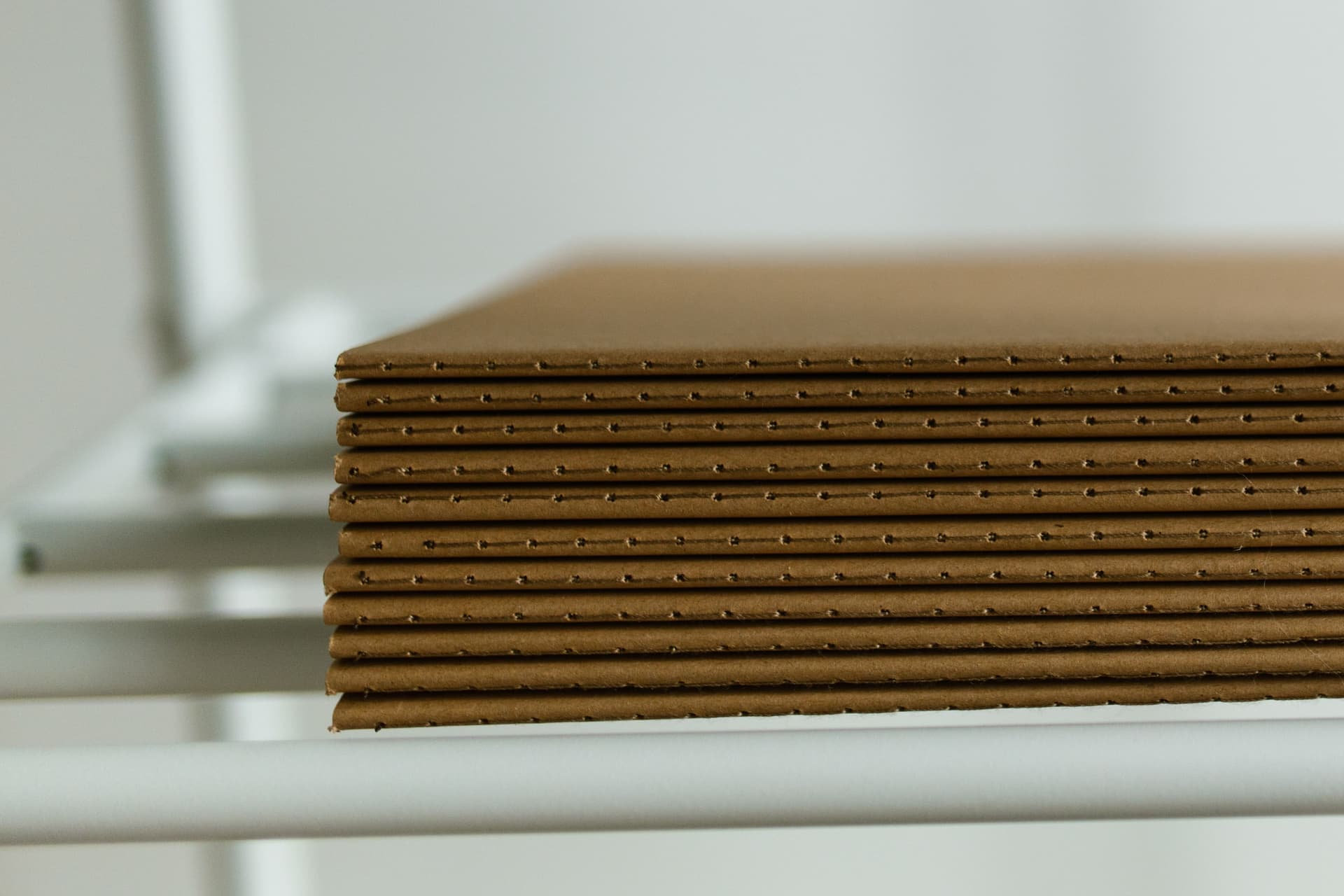 Golden State Art Pre-Cut Mat Board Acid-free pre-cut mats that reveal an art print's border, or elevate a poster into something that reads as framed art. | Best mat for either |
The actual differences
| Poster | Art print | |
|---|---|---|
| Paper weight | Thin, typically around 150 gsm | Heavy, often 200-300 gsm cotton rag or fine-art stock |
| Printing | Offset litho at volume | Giclee or inkjet with pigment inks |
| Ink longevity | Dye-based; fades in years under light | Pigment; rated for decades under glazing |
| Run size | Unlimited | Often limited and numbered |
| Margins | Usually printed to the edge, sometimes with a credit line | Usually a generous white border |
| Edges | Trimmed square | Sometimes deckle, which is part of the look |
| Intended life | Replaceable | Framed and kept |
| Framing treatment | Fill the frame, or mat it to elevate it | Mat it, with the border showing |
Telling them apart on a listing
The words are used loosely, so read the specification rather than the title:
- Paper weight in gsm. Stated on an art print, usually absent on a poster. Anything over about 200 gsm is a genuine print.
- “Giclee” or “archival pigment”. These mean something. “High quality print” does not.
- A named artist. Art prints credit one. Mass-market posters frequently credit nobody, because the image is licensed stock.
- An edition number. “12 of 100” is a limited run, and a meaningful signal about the run size.
- Shipping method. Prints over a certain size ship rolled either way, but a small piece shipping flat between boards suggests a print rather than a poster.
Framing each one
A poster usually fills its frame, which is the honest treatment for something meant to read as a poster — a film one-sheet, a gig poster, a typographic piece. Matting it changes its register: a 24x36 poster in a 30x42 frame with a 3 inch border stops looking like a poster and starts looking like art. Poster frames.
An art print is designed with its white border as part of the composition, so it wants a mat that reveals that border rather than covering it. A float mount showing the paper edge is the treatment for a deckle edge. Floating frames and mat sizing.
Which to buy
- Buy a poster for a room you will redecorate, a subject tied to a moment, a wall you want to fill cheaply, and anywhere the piece is genuinely replaceable.
- Buy an art print for a room you have settled, a piece you want to keep through a move, and anywhere the framing will cost more than the image.
The framing point is the practical one: once you are spending on a frame and a mat, the difference in price between a poster and a decent art print inside it is usually the smallest part of the total. Affordable art prints covers buying well at the lower end.
The picks in full
Each entry states what it is for, the specification that decides it, and who should skip it.
1. Best print sets
Americanflat Art Print Set
Americanflat
Unframed prints in standard frame sizes, sold as coordinated sets — which removes both the custom-framing cost and the matching problem.
- Format
- Unframed paper prints, sold as coordinated sets
- Sizes
- Standard frame sizes so no custom framing is needed
- Best for
- Filling a frame set you already own
- Shipping
- Flat or rolled depending on size
The spec that decides it: Coordinated sets printed to standard frame sizes.
Skip it if: You want one collectable piece — a coordinated set is built for a wall, not a focal point.
2. Best poster frame
Americanflat Poster Frame
Americanflat
Shatter-resistant plexiglass across the standard poster sizes, light enough to hang on adhesive strips.
- Sizes
- 18x24, 20x30, 24x36 and other poster sizes
- Glazing
- Shatter-resistant plexiglass — light enough for adhesive strips
- Matting
- Optional mat on several sizes
- Orientation
- Vertical or horizontal
The spec that decides it: Shatter-resistant plexiglass at 18x24, 20x30 and 24x36.
Skip it if: Your poster is 22.375x34 — check the listing covers that exact size.
3. Best for a deckle-edge print
Americanflat Floating Frame
Americanflat
Double-glazed, so the print's torn paper edge stays visible instead of being hidden behind a mat.
- Construction
- Print sits between two glazing panes — edges stay visible
- Sizes
- Standard sizes from small formats up
- Best for
- Deckle-edge prints, pressed botanicals, odd-size art
- Orientation
- Wall or tabletop
The spec that decides it: Two glazing panes with the artwork floated between them.
Skip it if: The print has a clean trimmed edge — a mat is the better treatment.
4. Best mat for either
Golden State Art Pre-Cut Mat Board
Golden State Art
Acid-free pre-cut mats that reveal an art print's border, or elevate a poster into something that reads as framed art.
- Cut
- Pre-cut bevel opening, standard step-down sizes
- Material
- Acid-free board with backing and a clear sleeve on most packs
- Sizes
- Common pairs such as 11x14 matted to 8x10
- Packs
- Singles and multi-packs
The spec that decides it: Pre-cut bevel openings on acid-free board, standard step-down pairs.
Skip it if: The poster is meant to read as a poster — filling the frame is the honest treatment.
Common questions
What is the difference between a poster and an art print?
Paper and printing method. Posters are mass-printed on thin stock with dye inks and meant to be replaced. Art prints use heavier archival paper and pigment inks, often in a limited run, and are meant to be framed and kept.
How can you tell if something is a real art print?
Check the specification rather than the title. A stated paper weight over about 200 gsm, the words giclee or archival pigment, a named artist, and an edition number are all meaningful. 'High quality print' is not.
Do art prints last longer than posters?
Yes, substantially. Pigment inks on archival paper are rated for decades behind glazing, where dye-based poster inks visibly fade within a few years under normal room light. Neither survives direct sunlight.
Should you mat a poster?
Only if you want it to stop reading as a poster. Filling the frame is the honest treatment for a film one-sheet or a gig poster. A 3 inch mat turns the same poster into something that reads as framed art, which is a different intention.
Is an art print worth the extra over a poster?
Once you are buying a frame and a mat, usually yes — the difference between the two papers is the smallest part of the total project cost, and it is the part that determines whether the piece still looks good in ten years.
Sources for the figures on this page
Read next
- Where to Buy Art Prints
The five places art prints come from, what each is good for, and how to tell licensed stock from an artist's work.
- Best Poster Frames
Poster frames by size coverage and glazing weight, including the awkward 22.375x34 commercial size.
- Best Floating Frames
Double-glazed float frames for paper, and recessed float frames for canvas — two different products with the same name.
- Best Affordable Art Prints
Why standard sizing is the real saving, where to buy coordinated sets, and what makes cheap art look cheap.
- Mat Sizes for Standard Prints
The complete print size to mat opening to frame size matrix, with published border widths by artwork size.
- Canvas vs Framed Print
Weight, protection, durability by room, and which format a wall you cannot drill actually allows.