Wall Art for the Bathroom
Humidity is the whole problem. It rules out most of what you would put in any other room, and the rest is easy.
By Janet H. · Published
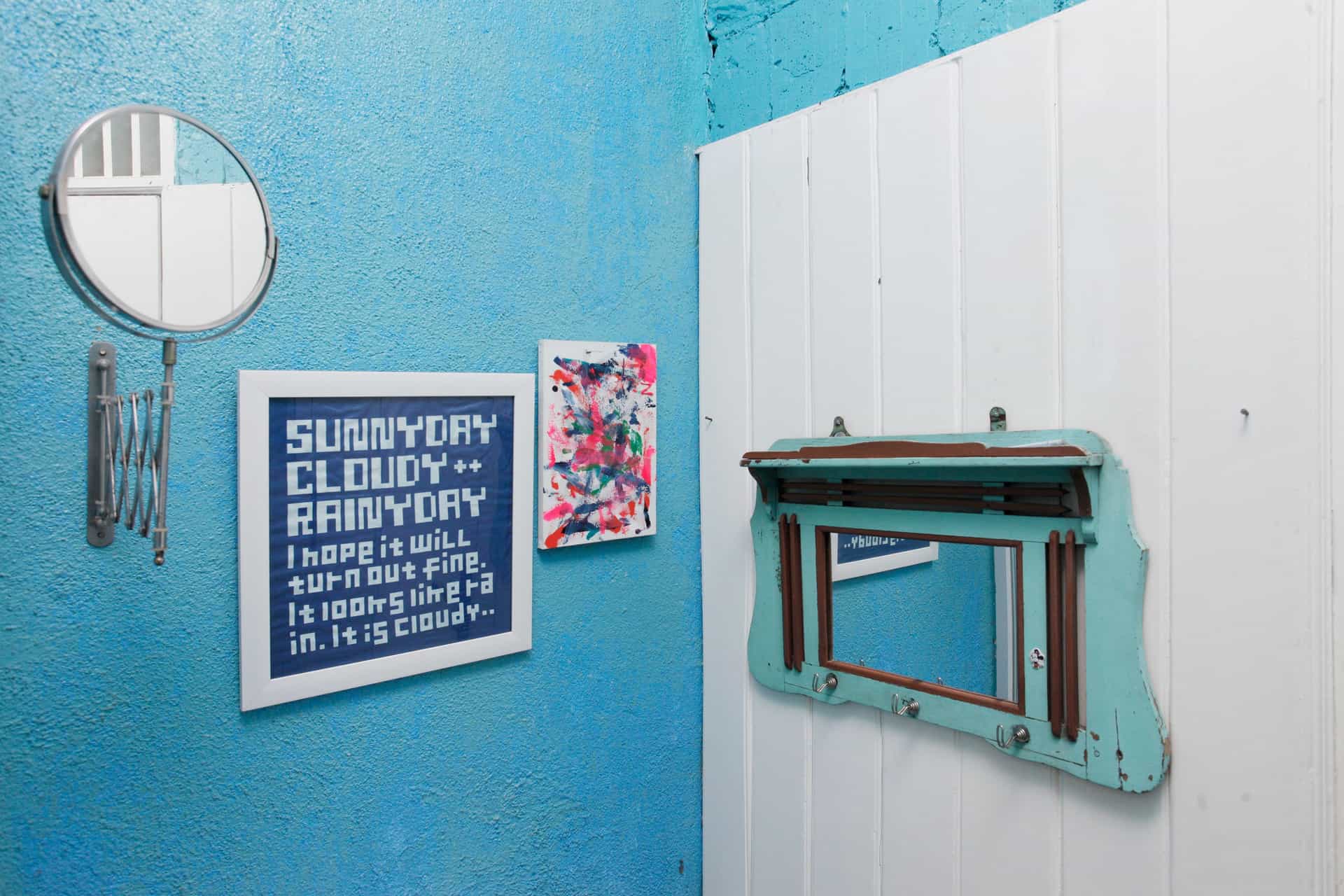
Use a metal frame with acrylic glazing and a sealed back, or a format with no paper in it at all. A standard framed print in a bathroom that gets daily hot showers will cockle within months, and the frame’s miters will open within a couple of years.
That is the entire bathroom decision. Everything else — size, subject, placement — follows the same rules as any other small room.
Disclosure: Hang & Hue earns commission from qualifying purchases made through the links on this page, at no extra cost to you. As an Amazon Associate we earn from qualifying purchases. It does not change which products we recommend or the order they appear in — read our editorial policy and full affiliate disclosure.
How these picks were chosen
We select on published specification — rated weight capacity, frame size compatibility, mounting method and materials — plus the durability patterns owners report at volume. We do not test these products ourselves. Read our full method.
Photographs on this page are licensed category images, not photographs of the individual products. Each link opens the product’s live listing, where the current photos, sizes and price are shown.
Quick picks
Tap any row to jump to the full write-up.
| # | Product | Best for | Price |
|---|---|---|---|
| 1 |  RoomMates Peel and Stick Wall Decals No paper, no backing board and no frame to open at the miters. Vinyl is the one format humidity genuinely cannot touch. | Best for a steamy bathroom | |
| 2 | 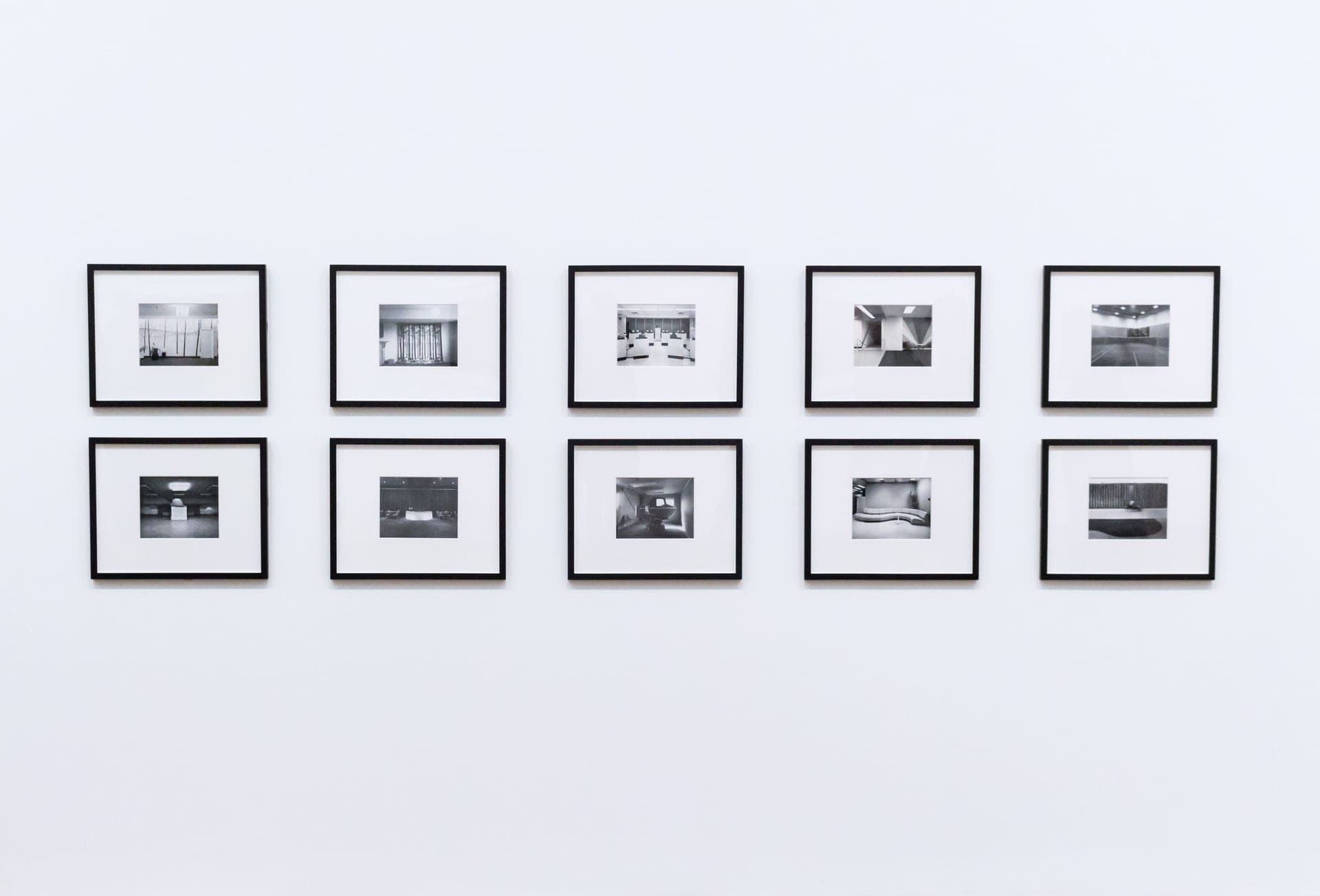 Americanflat Picture Frame Shatter-resistant plexiglass rather than glass, in slim profiles that suit a small room. Tape the back edge before hanging. | Best framed option | |
| 3 | Tempaper Removable Peel and Stick Wallpaper Covers far more area than a frame for the money, comes off at the end of the tenancy, and has no paper to cockle. | Best for a whole bathroom wall |
What humidity actually does
| Component | What happens | Timescale |
|---|---|---|
| Paper artwork | Absorbs moisture, expands, then cockles into permanent ripples | Months, in a daily-shower bathroom |
| Cardboard backing | Warps and bows, pushing the artwork against the glazing | Months |
| Wooden frame | Moves with humidity cycles until the mitered corners open | One to three years |
| Mat board | Wicks moisture from the edges inward, discolouring | A year or two |
| Stretched canvas | Absorbs moisture, slackens on the stretcher bars, then sags | A year or two |
| Metal frame + acrylic + sealed back | Nothing | Indefinitely |
What to hang instead
- Metal frame, acrylic glazing, taped back. The conventional answer. Aluminum does not move with humidity the way wood does. Wood versus metal.
- Peel-and-stick. No paper, no frame, no backing board. Vinyl decals and peel-and-stick panels are genuinely unbothered by steam, and a bathroom is usually a rental’s smallest wall. Peel-and-stick art.
- A mirror. The bathroom’s native wall object, and the one that makes a small room read as larger. Hanging one without drilling.
- Nothing at all. A genuinely small bathroom with a mirror and good tile does not need art, and a piece crammed onto the one free wall usually reads as clutter.
Where it goes
Away from the shower. The wall opposite the bath, the wall above the toilet or the wall beside the door all see far less steam than anything within a couple of feet of the shower head.
Scale down, too. A bathroom is a small room viewed from three feet away, so an 11x14 or 16x20 piece is usually right where a living room wants 40x30. Two small pieces stacked vertically suit the proportions of the wall above a toilet better than one wide one.
The picks in full
Each entry states what it is for, the specification that decides it, and who should skip it.
1. Best for a steamy bathroom
RoomMates Peel and Stick Wall Decals
RoomMates
No paper, no backing board and no frame to open at the miters. Vinyl is the one format humidity genuinely cannot touch.
- Application
- Peel and stick — no paste, no tools
- Removal
- Removable and repositionable; manufacturer states no sticky residue
- Surfaces
- Smooth painted walls; not for textured walls
- Compliance
- Manufacturer states CPSIA compliance
The spec that decides it: Removable vinyl with no paper component, for smooth painted walls.
Skip it if: Your bathroom walls are textured — peel-and-stick needs a smooth surface to adhere.
2. Best framed option
Americanflat Picture Frame
Americanflat
Shatter-resistant plexiglass rather than glass, in slim profiles that suit a small room. Tape the back edge before hanging.
- Sizes
- Wide standard range from 4x6 to 24x36
- Glazing
- Shatter-resistant polished plexiglass on most sizes
- Matting
- Most sizes ship with a removable mat
- Orientation
- Hangs vertical or horizontal; most sizes also stand
The spec that decides it: Shatter-resistant plexiglass with slim profiles in small standard sizes.
Skip it if: The bathroom has no extractor fan and steams heavily — go frameless instead.
4. Best for a whole bathroom wall
Tempaper Removable Peel and Stick Wallpaper
Tempaper
Covers far more area than a frame for the money, comes off at the end of the tenancy, and has no paper to cockle.
- Application
- Self-adhesive roll
- Range
- Wallpaper, wall murals and decals
- Removal
- Designed to be removable
- Surfaces
- Smooth painted walls
The spec that decides it: Self-adhesive removable roll for smooth painted walls.
Skip it if: The wall is tiled or textured — peel-and-stick needs a smooth painted surface.
Common questions
What wall art works in a bathroom?
A metal frame with acrylic glazing and a sealed back, or a format with no paper at all such as vinyl decals or peel-and-stick panels. Unsealed paper in a wooden frame cockles within months in a bathroom with daily hot showers.
Will a framed print survive in a bathroom?
Only if it is sealed. Moisture enters around the back of the frame, not through the glazing, so a strip of framer's tape around the whole back edge is most of the difference between art that survives and art that ripples.
Do wooden frames warp in a bathroom?
Over time, yes. Wood absorbs and releases moisture with each humidity cycle, and after one to three years the mitered corners open into a visible hairline gap. Aluminum frames are unaffected, which is why they are the standard bathroom recommendation.
Can you use command strips in a bathroom?
Yes. They are rated for tile as well as painted drywall, and tile is a better adhesive surface than most walls because it is genuinely smooth. Keep the strip on the tile face rather than across a grout line.
What size art for a bathroom?
Smaller than you would use elsewhere — 11x14 or 16x20 is usually right, because the room is viewed from three feet away. Two small pieces stacked vertically suit the wall above a toilet better than one wide piece.
Sources for the figures on this page
Read next
- Wood vs Metal Frames
Profile width, weight, humidity stability and durability compared — plus which material each room wants.
- Best Peel-and-Stick Wall Art
Decals, panels and removable wallpaper compared, plus the wall conditions that decide whether any of it works.
- Best Damage-Free Wall Hooks
Adhesive hooks from 3 lb to 7.5 lb, which frame backs each one suits, and when a hook beats a strip.
- Wall Art for Small Apartments
Why fewer and larger wins, which walls to use, and formats light enough to hang with no holes.
- Acrylic vs Glass Glazing
Weight, scratch resistance, optical flatness and safety compared — and why the weight difference decides the hanging method.
- Wall Decals vs Peel-and-Stick Wallpaper
Coverage, effort, cost and removal risk compared — and the wall conditions both formats need to work at all.