Wood vs Metal Frames
Two materials, two different jobs. The choice is usually decided by the room rather than by taste.
By Janet H. · Published
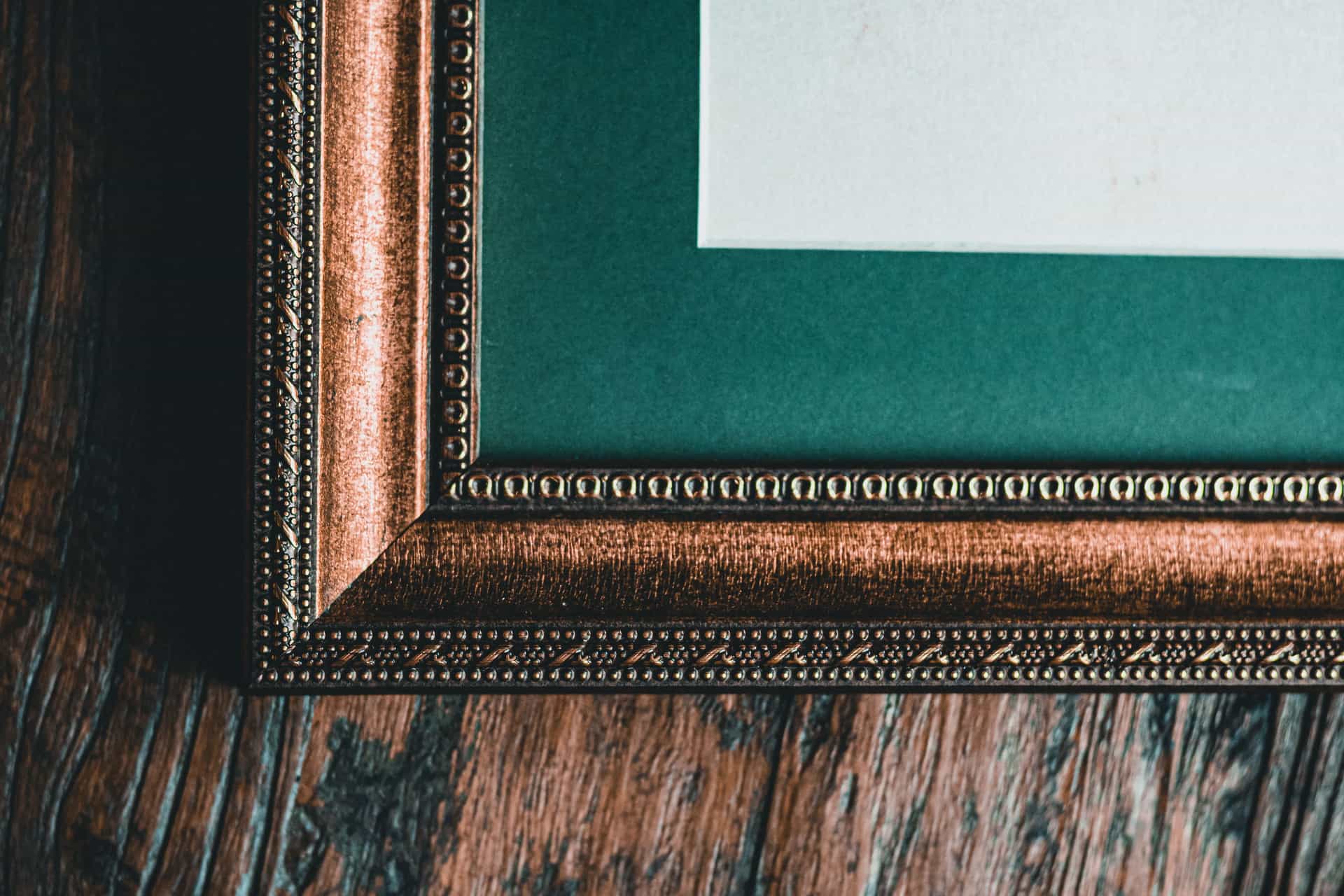
Wood for living rooms and bedrooms, metal for bathrooms, kitchens and anywhere you want the frame to disappear. Metal profiles are thinner, so the frame recedes and the artwork does the work. Wood takes a deeper profile, which reads as warmer and more substantial.
The deciding factor is usually humidity: wood moves with it, metal does not. In a bathroom that is not a preference, it is a requirement.
Disclosure: Hang & Hue earns commission from qualifying purchases made through the links on this page, at no extra cost to you. As an Amazon Associate we earn from qualifying purchases. It does not change which products we recommend or the order they appear in — read our editorial policy and full affiliate disclosure.
Quick picks
Tap any row to jump to the full write-up.
| # | Product | Best for | Price |
|---|---|---|---|
| 1 | 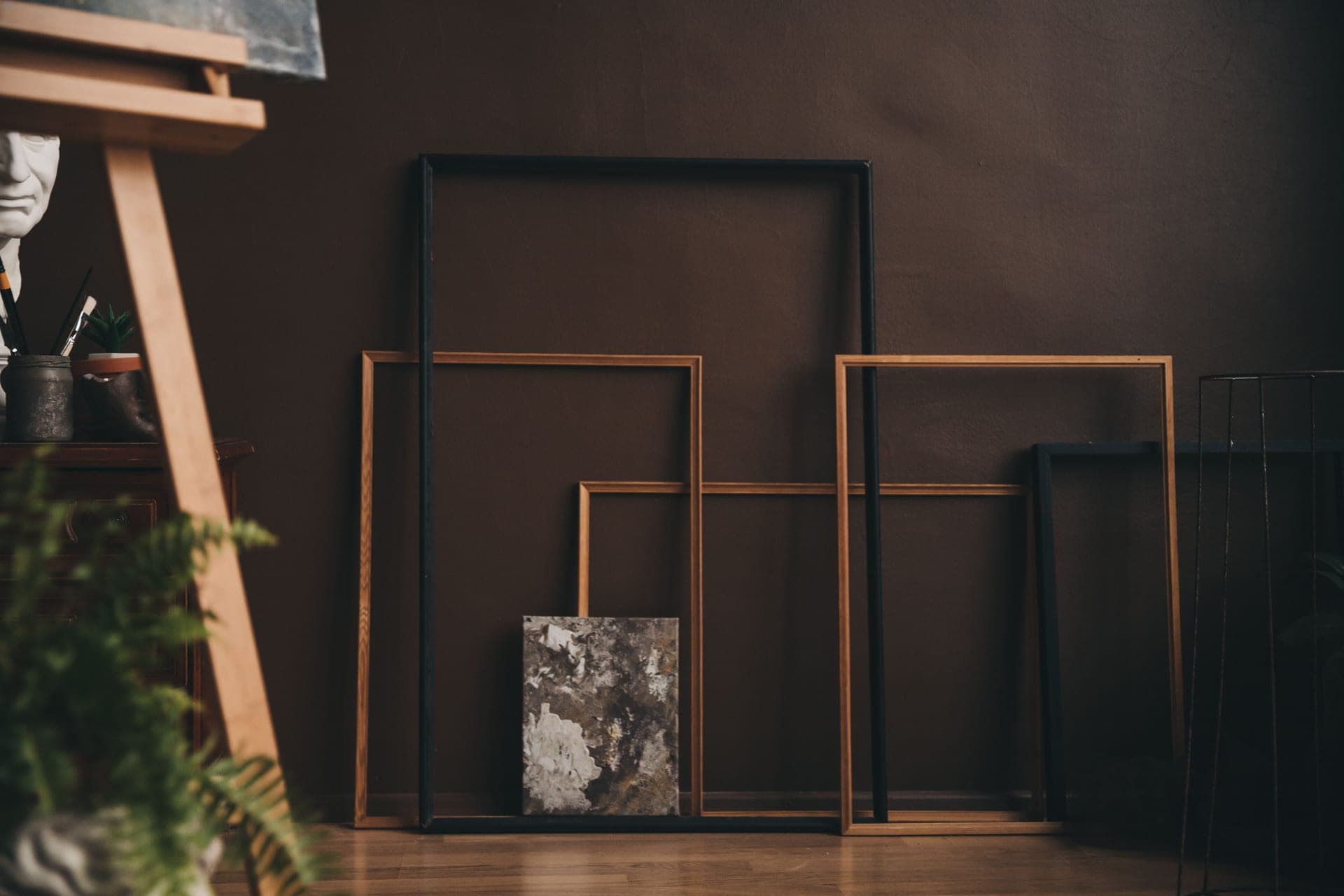 Craig Frames Picture Frame The widest range of wooden profiles here, from slim contemporary to deep ornate, with lightweight acrylic fronts that keep the weight down. | Best wooden frames | |
| 2 |  Americanflat Picture Frame Thin, unfussy profiles across a wide size range, which is the treatment that lets a photograph be the object rather than the frame. | Best slim profiles | |
| 3 | Frametory Picture Frame Wood-look profiles with real glass on many lines, for a living room piece at eye level where glazing quality shows. | Best wood look with real glass | |
| 4 | 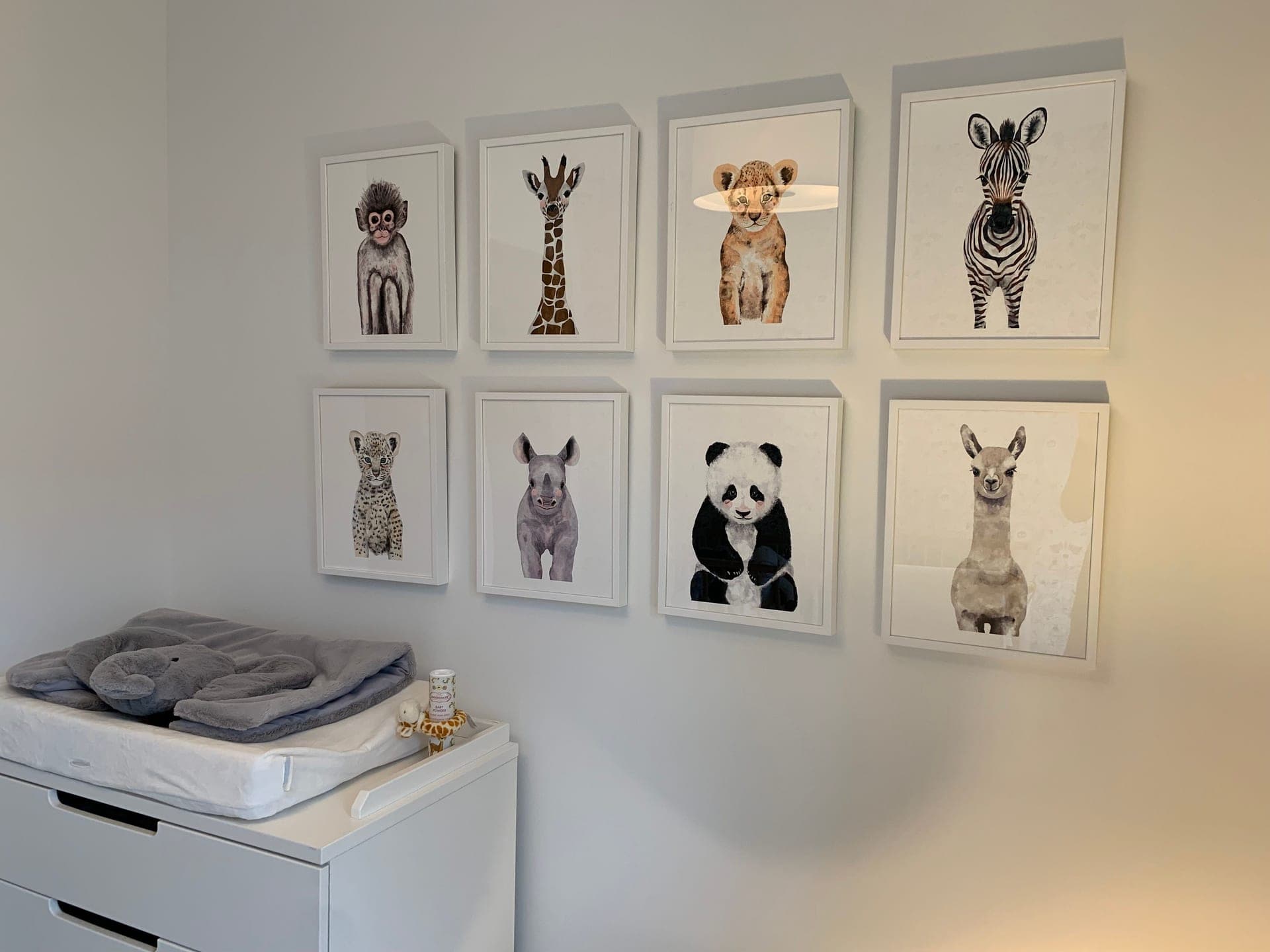 Golden State Art Picture Frame A consistent range in standard sizes and finishes, so frames bought months apart still match each other on the wall. | Best for consistency across a room |
Side by side
| Wood | Metal (usually aluminum) | |
|---|---|---|
| Profile width | Wider — a visible border around the art | Thinner — the frame recedes |
| Weight | Varies hugely by species and depth | Consistently light for its strength |
| Humidity | Moves, and can warp or open at the joints | Unaffected |
| Corners | Mitered and glued, or joined with splines | Mechanically joined; stays tight |
| Warmth | Warm, tactile, domestic | Cool, neutral, gallery-like |
| Finish | Stain, paint, natural grain | Anodized or powder-coated |
| Best rooms | Living room, bedroom, hallway, study | Bathroom, kitchen, office, anywhere modern |
| Large sizes | Heavy at poster scale in a deep profile | Stays manageable at poster scale |
Pick wood if…
- The room is warm and domestic. Wood softens a wall in a way metal does not. Living rooms and bedrooms want it.
- You want a deeper profile. Depth casts a shadow line, which is most of what makes a frame read as expensive. Metal is usually too thin to do it.
- The artwork is traditional. Oils, watercolours, botanicals and anything with age want wood.
- You want it to match the furniture. Oak, walnut and black-stained wood pick up the room; anodized aluminum never does.
Pick metal if…
- Humidity is a factor. Bathrooms and kitchens. Wood absorbs moisture and eventually opens at the miters; aluminum does not. Bathroom wall art.
- You want the frame to disappear. A thin black or silver profile around a photograph is the gallery default precisely because it adds nothing.
- It is a large piece. Metal stays light and rigid at poster scale where an equivalent wooden profile would be heavy.
- The room is modern. Home offices, studios, anything with steel or concrete in it. Home office wall art.
Mixing them on one wall
Possible, and it is one of the two-variable combinations that works — but only if the colors agree. Black wood beside black metal reads as one scheme; oak beside silver aluminum reads as two schemes sharing a wall.
The safer route on a mixed wall is to hold the mat constant: the same white mat in every frame turns material variation into texture. Matching versus mixed frames covers the rule.
What fails, in each
Wood fails at the corners. Mitered joints open as the timber moves with seasonal humidity, showing a hairline gap at the miter. Cheaper frames fail faster because the joint is glued rather than splined.
Metal fails at the finish. Anodizing and powder coat chip on impact and cannot be touched in invisibly — a chipped aluminum frame stays chipped. The structure itself effectively does not fail.
Practically: wood degrades gracefully and metal degrades visibly. In a hallway where frames get knocked, that argues for wood despite metal being the more robust material.
The picks in full
Each entry states what it is for, the specification that decides it, and who should skip it.
1. Best wooden frames
Craig Frames Picture Frame
Craig Frames
The widest range of wooden profiles here, from slim contemporary to deep ornate, with lightweight acrylic fronts that keep the weight down.
- Sizes
- Very wide size range, including oversize and non-standard
- Glazing
- Lightweight shatter-resistant acrylic front
- Profiles
- Contemporary through ornate; wide molding choice
- Origin
- Made in the USA
The spec that decides it: Deep choice of wooden molding profiles with shatter-resistant acrylic glazing.
Skip it if: The room is humid. Wood in a bathroom eventually opens at the miters.
2. Best slim profiles
Americanflat Picture Frame
Americanflat
Thin, unfussy profiles across a wide size range, which is the treatment that lets a photograph be the object rather than the frame.
- Sizes
- Wide standard range from 4x6 to 24x36
- Glazing
- Shatter-resistant polished plexiglass on most sizes
- Matting
- Most sizes ship with a removable mat
- Orientation
- Hangs vertical or horizontal; most sizes also stand
The spec that decides it: Slim profiles across a wide standard size range, with shatter-resistant glazing.
Skip it if: You want a deep shadow-line profile — these are deliberately understated.
3. Best wood look with real glass
Frametory Picture Frame
Frametory
Wood-look profiles with real glass on many lines, for a living room piece at eye level where glazing quality shows.
- Sizes
- Standard sizes with matted and unmatted options
- Glazing
- Real glass on many lines
- Matting
- Ivory or white mats on matted lines
- Orientation
- Wall or tabletop
The spec that decides it: Real glass glazing with wood-finish profiles and mats on the matted lines.
Skip it if: You are hanging at poster size on adhesive — glass plus a wooden profile is a lot of weight.
4. Best for consistency across a room
Golden State Art Picture Frame
Golden State Art
A consistent range in standard sizes and finishes, so frames bought months apart still match each other on the wall.
- Sizes
- Standard sizes, strong matted-frame range
- Glazing
- Glass or acrylic depending on line
- Matting
- Acid-free mats on the archival lines
- Packs
- Frequently sold in multi-packs for gallery walls
The spec that decides it: Consistent standard sizing and finishes across repeat orders.
Skip it if: You want one statement frame — the value here is in matching, not in individuality.
Common questions
Are wood or metal picture frames better?
Wood for living rooms and bedrooms, where warmth and a deeper profile suit the space. Metal for bathrooms and kitchens, where humidity would eventually open a wooden miter, and for modern rooms where you want the frame to recede.
Do wooden frames warp in a bathroom?
They can. Wood absorbs and releases moisture with humidity, and over repeated cycles the mitered corners open into a visible hairline gap. Aluminum frames are unaffected, which is why they are the standard recommendation for bathrooms.
Are metal frames lighter than wood?
Generally yes, for the same strength — aluminum profiles stay light and rigid at poster scale where an equivalent deep wooden molding gets heavy. At small sizes the difference is negligible; the glazing matters far more.
Can you mix wood and metal frames on a gallery wall?
Yes, if the colors agree. Black wood beside black metal reads as one scheme; oak beside silver aluminum reads as two. The reliable safeguard is a consistent white mat in every frame, which turns the material difference into texture.
Which lasts longer, a wood or metal frame?
Metal, structurally — it does not move or open at the joints. But metal fails visibly when the anodized or powder-coated finish chips, and that cannot be touched in invisibly. Wood degrades gracefully; metal degrades obviously.
Sources for the figures on this page
Read next
- Best Picture Frames
Frame lines compared on glazing, mat quality, size range and depth — plus what genuinely changes with price.
- Acrylic vs Glass Glazing
Weight, scratch resistance, optical flatness and safety compared — and why the weight difference decides the hanging method.
- Wall Art for the Bathroom
What survives steam, why wooden frames fail at the miters, and the formats that belong in a bathroom.
- Matching vs Mixed Frames
The four variables on a gallery wall, how many you can change at once, and why mixed walls usually fail.
- Picture Frame Sizes Chart
Every standard frame size with its unmatted and matted capacity — the table to check before you order anything.
- Wall Art for the Home Office
What reads well behind you on camera, desk-scale sizing, and the glare problem nobody plans for.