Canvas vs Framed Print
Same image, two formats, and the difference is decided by your wall rather than your taste.
By Janet H. · Published

Canvas for anything large on a wall you cannot drill. Framed print for anything you want protected, and for anywhere humid or greasy.
Canvas has no glazing, so at 40x30 it is far lighter than the same image framed behind glass — frequently the difference between hanging on adhesive strips and putting a hook in the wall. That is the whole decision for most renters.
Disclosure: Hang & Hue earns commission from qualifying purchases made through the links on this page, at no extra cost to you. As an Amazon Associate we earn from qualifying purchases. It does not change which products we recommend or the order they appear in — read our editorial policy and full affiliate disclosure.
Quick picks
Tap any row to jump to the full write-up.
| # | Product | Best for | Price |
|---|---|---|---|
| 1 |  Stupell Industries Framed Canvas Wall Art Hand-stretched over a wooden frame and ready to hang, in the floater-framed format that gives a canvas a finished edge. | Best canvas | |
| 2 | 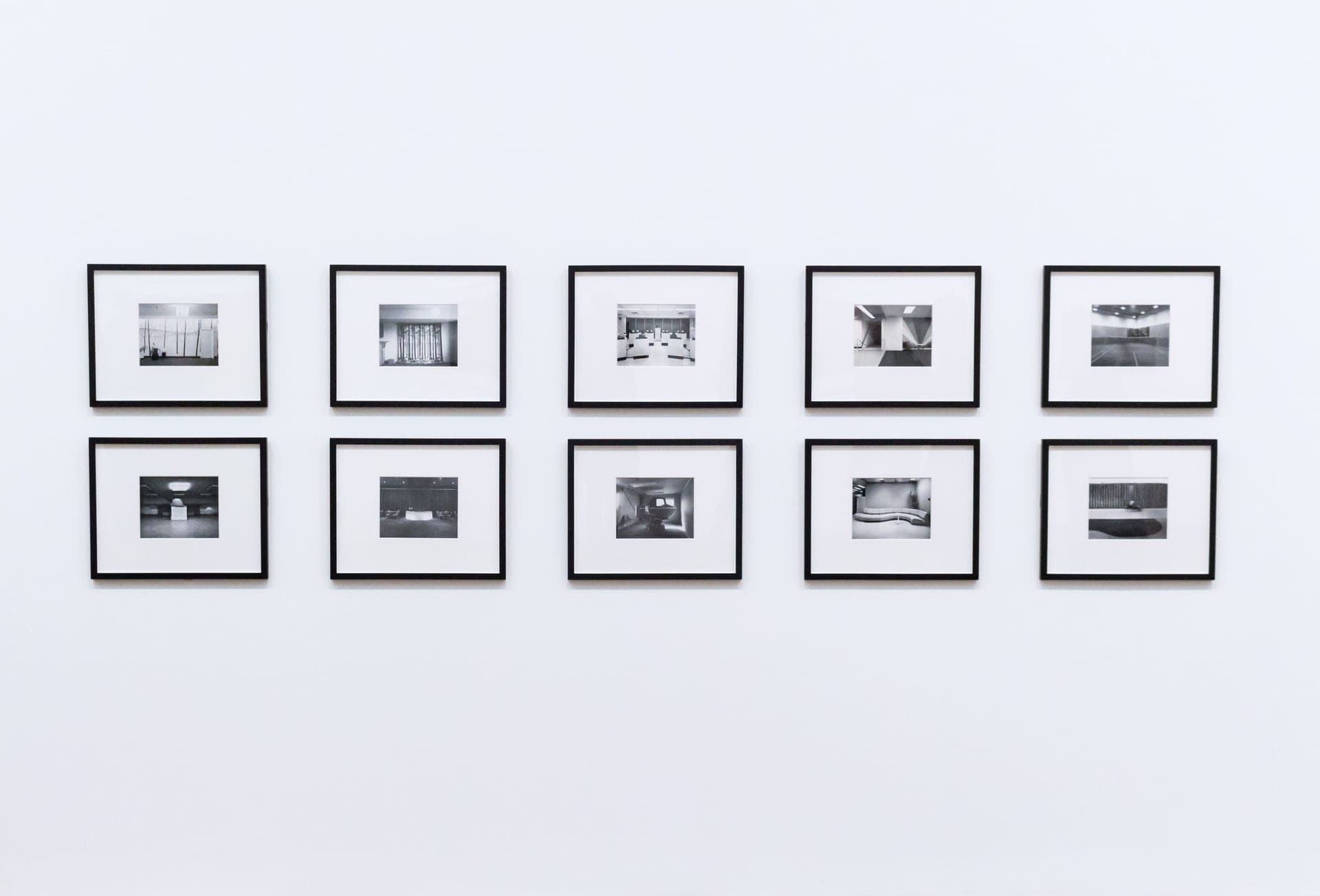 Americanflat Picture Frame Shatter-resistant plexiglass across a wide size range, which is the middle answer: a frame's protection at close to canvas weight. | Best framed print route | |
| 3 | Amanti Art Framed Canvas Wall Art Runs to oversize, which is where canvas's weight advantage is largest and where framed prints become impractical. | Best large canvas | |
| 4 | 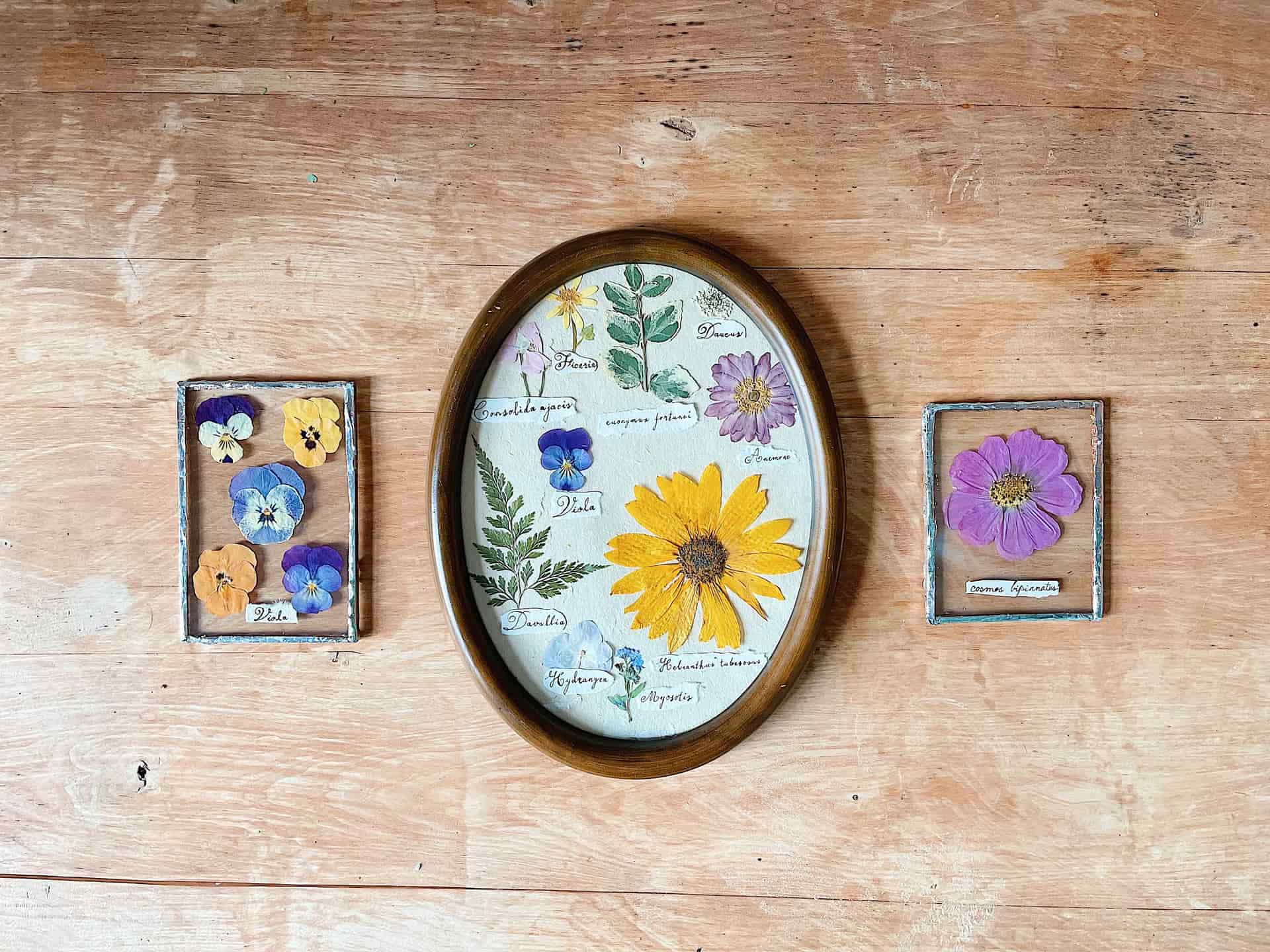 Craig Frames Float Frame A recessed float frame turns a raw-edged stretched canvas into a finished gallery piece, without adding glazing weight. | Best way to finish a canvas |
Side by side
| Stretched canvas | Framed print | |
|---|---|---|
| Weight at 40x30 | Lightest — no glazing at all | Heavier; with glass, frequently over the adhesive ceiling |
| Hangs on adhesive strips? | Usually yes, even large | Depends entirely on the glazing |
| Protects the artwork | No — the surface is exposed | Yes — glazing shields it from dust, handling and UV |
| Reflections | None | Glazing reflects lights and windows |
| Humidity | Absorbs it; slackens and sags over time | Fine if the back is sealed |
| Cooking residue | Settles into the weave; cannot be wiped | Settles on the glazing; wipes off |
| Cleaning | A dry soft brush at most | Any glass or acrylic cleaner |
| Looks finished | Modern, informal, gallery-like | Formal, considered, traditional |
| Ready to hang | Usually, out of the box | Usually |
Pick canvas if…
- The piece is large and the wall is rented. This is the main reason, and it is decisive. A 40x30 canvas comes in well under the 16 lb adhesive ceiling where the same image framed behind glass frequently does not. The weight ladder.
- The room is bright. No glazing means no reflections, and reflections are what flatten a saturated image in a sunny room.
- It goes above a bed. Nothing to shatter, and the lightest option at the size that wall needs. Art above the bed.
- The image is photographic or painterly. Canvas texture suits both. It fights fine typographic and line work, where the weave interrupts the detail.
Pick a framed print if…
- The artwork matters. Glazing is the only thing protecting a print from dust, fingerprints, humidity and UV. Canvas has no such layer.
- The room is humid or greasy. Bathrooms and kitchens are canvas graveyards — it absorbs moisture and slackens, and it holds cooking residue in the weave. Bathroom art and kitchen art.
- The image has fine detail. Line drawings, typography, maps and architectural work all read better on smooth paper behind glazing.
- You want a mat. A generous mat is the cheapest way to make an image look considered, and canvas offers no equivalent. Mat sizing.
How each one ages
Canvas slackens. The fabric responds to humidity cycles and the stretch loosens over years, showing as a slight sag or ripple across the face. Good canvases ship with corner wedges that can be tapped in to re-tension it; cheap ones do not. The printed surface also collects dust that cannot be wiped off.
Framed prints fail at the paper, not the frame. Unmatted prints pressed against glazing can stick to it in a humid room — which is the conservation reason a mat exists. Unsealed frame backs let moisture in, and the print cockles. Matted frames covers the fix.
The picks in full
Each entry states what it is for, the specification that decides it, and who should skip it.
1. Best canvas
Stupell Industries Framed Canvas Wall Art
Stupell Industries
Hand-stretched over a wooden frame and ready to hang, in the floater-framed format that gives a canvas a finished edge.
- Formats
- Stretched canvas, floater-framed canvas, wood plaque, framed giclee
- Construction
- Hand-stretched over a wooden frame
- Hanging
- Arrives ready to hang
- Origin
- Printed in the USA
The spec that decides it: Hand-stretched canvas, no glazing, arriving ready to hang.
Skip it if: The room is humid or you cook nearby — canvas absorbs both and cannot be wiped.
2. Best framed print route
Americanflat Picture Frame
Americanflat
Shatter-resistant plexiglass across a wide size range, which is the middle answer: a frame's protection at close to canvas weight.
- Sizes
- Wide standard range from 4x6 to 24x36
- Glazing
- Shatter-resistant polished plexiglass on most sizes
- Matting
- Most sizes ship with a removable mat
- Orientation
- Hangs vertical or horizontal; most sizes also stand
The spec that decides it: Shatter-resistant plexiglass glazing, wide standard size range, mats on most sizes.
Skip it if: You want the largest possible piece — go canvas rather than a very large frame.
3. Best large canvas
Amanti Art Framed Canvas Wall Art
Amanti Art
Runs to oversize, which is where canvas's weight advantage is largest and where framed prints become impractical.
- Formats
- Framed canvas and framed prints
- Sizes
- Small through oversize statement pieces
- Hanging
- Arrives ready to hang
- Finishes
- Multiple frame finishes per image
The spec that decides it: Framed canvas up to oversize statement sizes.
Skip it if: The wall is small — this range starts larger than you need.
4. Best way to finish a canvas
Craig Frames Float Frame
Craig Frames
A recessed float frame turns a raw-edged stretched canvas into a finished gallery piece, without adding glazing weight.
- Construction
- Float frame with a recessed channel for stretched canvas
- Sizes
- Sized to standard canvas depths
- Best for
- Giving a stretched canvas a finished edge
- Origin
- Made in the USA
The spec that decides it: Recessed channel matched to standard stretched-canvas depths.
Skip it if: Your canvas already ships floater-framed — you would be framing a frame.
Common questions
Is canvas or a framed print better?
Canvas if the piece is large or the wall cannot be drilled, because it has no glazing and weighs far less at the same size. Framed print if the artwork matters or the room is humid or greasy — glazing is the only thing protecting the image.
Does canvas art last as long as a framed print?
Not usually. Canvas slackens over years as the fabric responds to humidity, and its printed surface collects dust that cannot be wiped off. A framed print behind sealed glazing is protected from all of that — its failure mode is the paper, not the frame.
Can you hang canvas art without drilling?
Yes, and that is its main practical advantage. A 40x30 stretched canvas has no glazing and comes in well under the 16 pound ceiling for adhesive picture hanging strips, where the same image framed behind glass frequently does not.
Is canvas good for a bathroom or kitchen?
No. Canvas absorbs humidity and slackens on its stretcher bars, and it holds airborne cooking residue in the weave where it cannot be wiped out. Both rooms want a glazed frame, ideally with a sealed back.
What image types suit canvas?
Photographic and painterly images, where the weave texture is sympathetic. It fights fine typographic, line and architectural work, where the canvas texture interrupts detail that would read cleanly on smooth paper behind glazing.
Sources for the figures on this page
Read next
- Best Canvas Wall Art
What to check on a canvas listing, which rooms it suits, and the three specs that separate a good canvas from a bad one.
- Acrylic vs Glass Glazing
Weight, scratch resistance, optical flatness and safety compared — and why the weight difference decides the hanging method.
- How to Hang Pictures Without Nails
Every no-nail method ranked by rated weight capacity, from 1 lb poster strips to a 35 lb drywall hook.
- Wall Art for the Living Room
Sizing by sofa width, the formats that work above a sofa, and picks that hang without drilling.
- Best Floating Frames
Double-glazed float frames for paper, and recessed float frames for canvas — two different products with the same name.
- Poster vs Art Print
Paper stock, printing method, longevity and framing treatment — how to tell the two apart and which you need.