Best Floating Frames
The frame for art whose edges are part of the point — deckle-edge prints, pressed botanicals, and anything that is not a standard size.
By Janet H. · Published
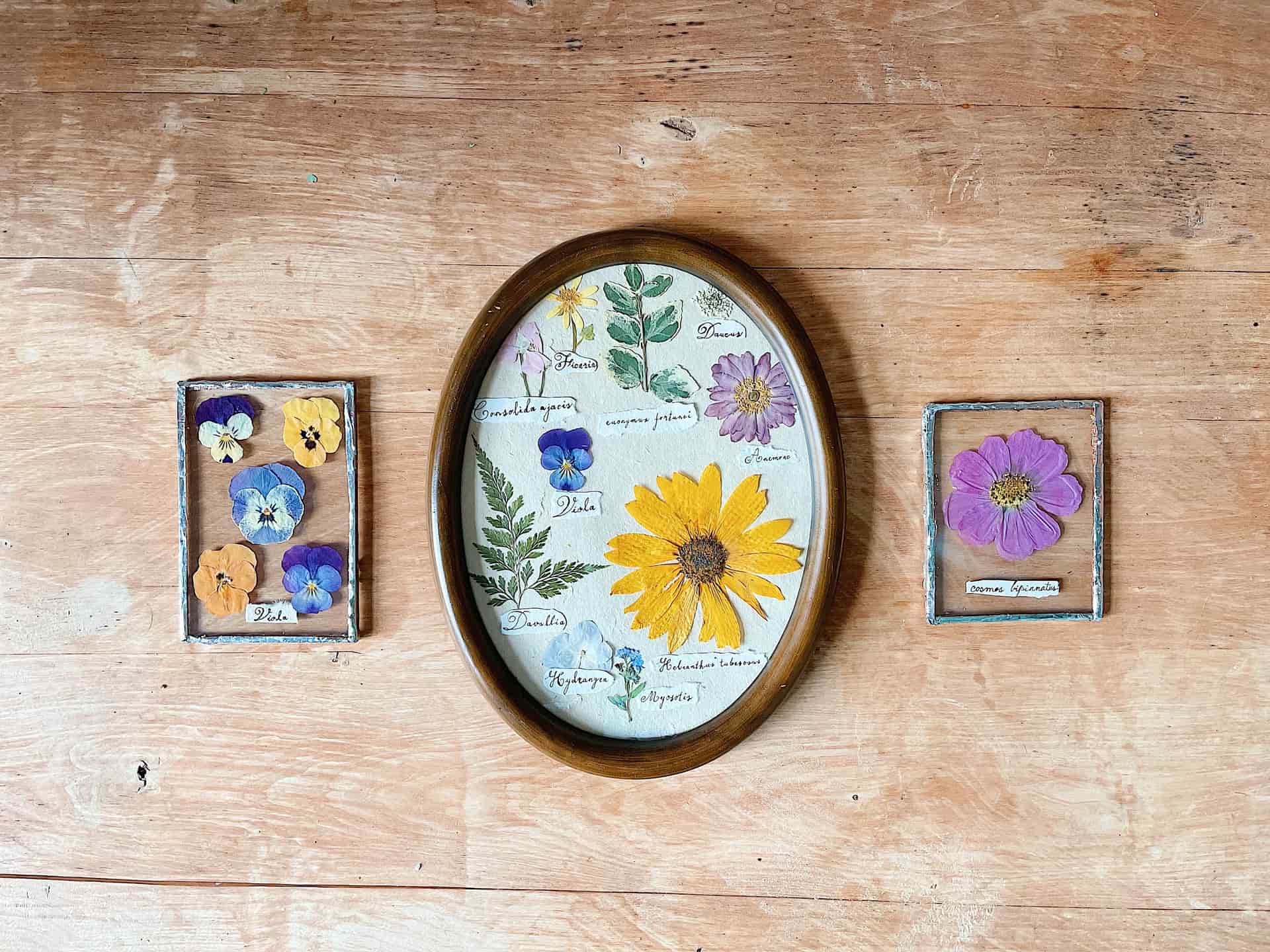
“Floating frame” means two different things, and buying the wrong one is the main failure here. For paper, it is a double-glazed frame that sandwiches the print between two clear panes so its edges show. For canvas, it is a frame with a recessed channel that the stretched canvas sits inside with a visible gap.
Both are good products. They are not interchangeable and the listings rarely make that clear.
Disclosure: Hang & Hue earns commission from qualifying purchases made through the links on this page, at no extra cost to you. As an Amazon Associate we earn from qualifying purchases. It does not change which products we recommend or the order they appear in — read our editorial policy and full affiliate disclosure.
How these picks were chosen
We select on published specification — rated weight capacity, frame size compatibility, mounting method and materials — plus the durability patterns owners report at volume. We do not test these products ourselves. Read our full method.
Photographs on this page are licensed category images, not photographs of the individual products. Each link opens the product’s live listing, where the current photos, sizes and price are shown.
Quick picks
Tap any row to jump to the full write-up.
| # | Product | Best for | Price |
|---|---|---|---|
| 1 | 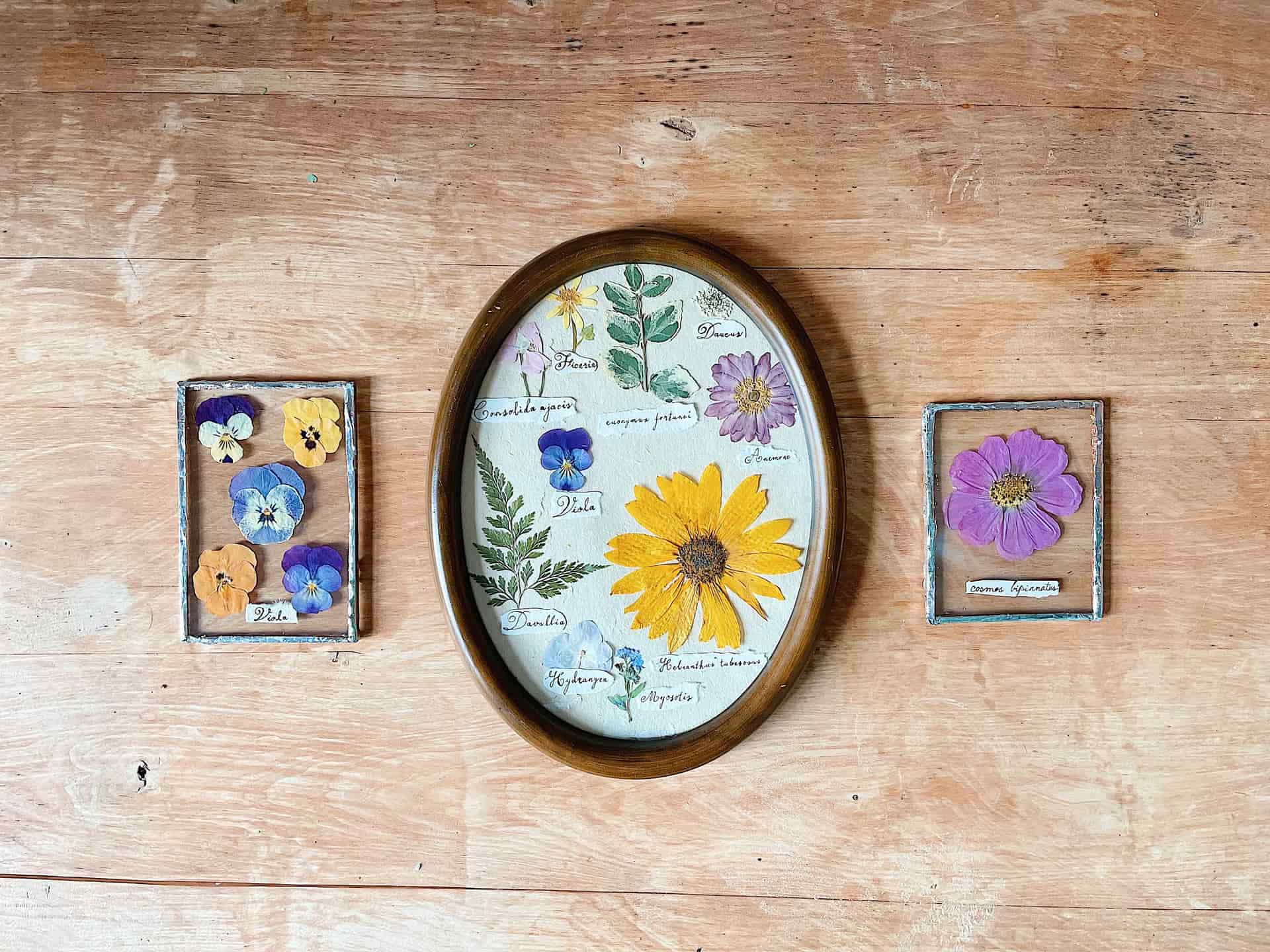 Americanflat Floating Frame Double-glazed, so the print sits between two panes with its edges visible. The right answer for deckle-edge art and awkward sizes. | Best for paper | |
| 2 | Craig Frames Float Frame A recessed channel sized to standard stretched-canvas depths, which turns a raw-edged canvas into a finished gallery piece. | Best for canvas | |
| 3 | MCS Floating Frame Double-glazed float frames from small formats up to poster scale, for when the awkward size is a large one. | Best size range for paper | |
| 4 |  Stupell Industries Framed Canvas Wall Art Ships as a floater-framed canvas, so the frame and the artwork arrive matched and ready to hang. No depth matching to get wrong. | Best ready-floated canvas |
The two products called floating frames
| Double-glazed float (paper) | Recessed float (canvas) | |
|---|---|---|
| What it holds | A print, on paper | A stretched canvas on a wooden bar |
| Construction | Art sandwiched between two clear panes | Canvas sits in a channel with a visible gap around it |
| What you see | The paper edge, and the wall behind it | The canvas edge, floating inside the molding |
| Best for | Deckle edges, odd sizes, pressed botanicals, textiles | Giving a plain stretched canvas a finished edge |
| Sizing | Any art smaller than the glazing | Must match the canvas depth and size |
The double-glazed type: when it is the right answer
- Deckle-edge prints. A torn or feathered paper edge is a deliberate feature on fine-art paper, and a conventional mat hides it entirely.
- Non-standard sizes. Art that fits no frame can float inside a larger one. This is the cheapest answer to an awkward size, far cheaper than custom framing. The sizes chart covers what is standard.
- Pressed flowers, leaves and textiles. Where you want light through the piece rather than a solid backing behind it.
- Double-sided pieces. Rare, but a float frame is the only way to show both sides.
The recessed type: for stretched canvas
A stretched canvas straight out of the box has raw stapled edges and no finish. A recessed float frame surrounds it with a narrow gap, so the canvas appears to hover inside the molding — the standard gallery treatment.
Two measurements have to match: the canvas size, and the canvas depth. Standard stretched canvas is typically either about 0.75 inch or 1.5 inch deep, and a frame cut for one will not sit correctly around the other.
Canvas wall art covers buying the canvas, and canvas versus framed print covers whether canvas is the right format at all.
Weight, and the renting consequence
Double-glazed frames carry two panes instead of one, so at the same size they are heavier than an ordinary frame — noticeably so if both panes are glass. At 16x20 and above, look for acrylic on both faces if you intend to hang it on adhesive strips.
Recessed canvas float frames go the other way: a stretched canvas has no glazing at all, so even framed it is usually the lightest option at a given size. That is why canvas keeps appearing as the answer for large art on rented walls. The weight ladder.
The picks in full
Each entry states what it is for, the specification that decides it, and who should skip it.
1. Best for paper
Americanflat Floating Frame
Americanflat
Double-glazed, so the print sits between two panes with its edges visible. The right answer for deckle-edge art and awkward sizes.
- Construction
- Print sits between two glazing panes — edges stay visible
- Sizes
- Standard sizes from small formats up
- Best for
- Deckle-edge prints, pressed botanicals, odd-size art
- Orientation
- Wall or tabletop
The spec that decides it: Two glazing panes with the artwork floated between them, in standard sizes.
Skip it if: You are framing a stretched canvas — you need the recessed type, not this one.
2. Best for canvas
Craig Frames Float Frame
Craig Frames
A recessed channel sized to standard stretched-canvas depths, which turns a raw-edged canvas into a finished gallery piece.
- Construction
- Float frame with a recessed channel for stretched canvas
- Sizes
- Sized to standard canvas depths
- Best for
- Giving a stretched canvas a finished edge
- Origin
- Made in the USA
The spec that decides it: Recessed channel matched to standard canvas depths.
Skip it if: Your artwork is on paper. A canvas float frame has nothing to hold a print against.
3. Best size range for paper
MCS Floating Frame
MCS Industries
Double-glazed float frames from small formats up to poster scale, for when the awkward size is a large one.
- Construction
- Double-glazed float mount
- Sizes
- Small through poster-scale
- Best for
- Art where the paper edge is part of the look
- Orientation
- Wall or tabletop
The spec that decides it: Double-glazed float mount across small through poster-scale sizes.
Skip it if: You want the lightest possible frame — two panes of glazing weigh more than one.
4. Best ready-floated canvas
Stupell Industries Framed Canvas Wall Art
Stupell Industries
Ships as a floater-framed canvas, so the frame and the artwork arrive matched and ready to hang. No depth matching to get wrong.
- Formats
- Stretched canvas, floater-framed canvas, wood plaque, framed giclee
- Construction
- Hand-stretched over a wooden frame
- Hanging
- Arrives ready to hang
- Origin
- Printed in the USA
The spec that decides it: Floater-framed canvas, hand-stretched, ready to hang out of the box.
Skip it if: You already own the canvas — buy the recessed frame separately instead.
Common questions
What is a floating frame?
Two different products share the name. For paper it is a double-glazed frame that holds the print between two clear panes so its edges show. For canvas it is a frame with a recessed channel the stretched canvas sits inside, leaving a visible gap around it.
What is a floating frame good for?
Deckle-edge fine-art prints where the torn paper edge is part of the design, artwork in a non-standard size that fits no conventional frame, and pressed botanicals or textiles where you want light through the piece rather than a solid backing behind it.
Are floating frames heavier than normal frames?
The double-glazed paper type is, because it carries two panes instead of one — noticeably so in glass. Look for acrylic on both faces at 16x20 and above if you intend to hang on adhesive strips. Canvas float frames are the lightest option, because a canvas has no glazing at all.
Can you use a floating frame for a canvas?
Only the recessed type. It has to match both the canvas size and its depth — standard stretched canvas is typically about 0.75 or 1.5 inches deep, and a frame cut for one will not sit correctly around the other.
Will paper sag in a floating frame?
Thin paper can, and any curl in the sheet shows from the side. Flatten a rolled print under even weight for 48 hours before it goes in, and use heavier stock where you have the choice.
Sources for the figures on this page
Read next
- Picture Frame Sizes Chart
Every standard frame size with its unmatted and matted capacity — the table to check before you order anything.
- Best Matted Frames
Matted frames compared on border width, acid-free board and the step-down sizes each line covers.
- Canvas vs Framed Print
Weight, protection, durability by room, and which format a wall you cannot drill actually allows.
- Best Canvas Wall Art
What to check on a canvas listing, which rooms it suits, and the three specs that separate a good canvas from a bad one.
- Picture Frame vs Shadow Box
Depth, mounting method, weight and hanging — what a shadow box does that a frame cannot, and when it is overkill.
- How to Flatten a Rolled Poster
The 48-hour weight method, the stubborn-curl variations, and why heat is the one thing never to use.