Picture Frame vs Shadow Box
One difference, and it is entirely practical: how much space there is between the backing board and the glazing.
By Janet H. · Published
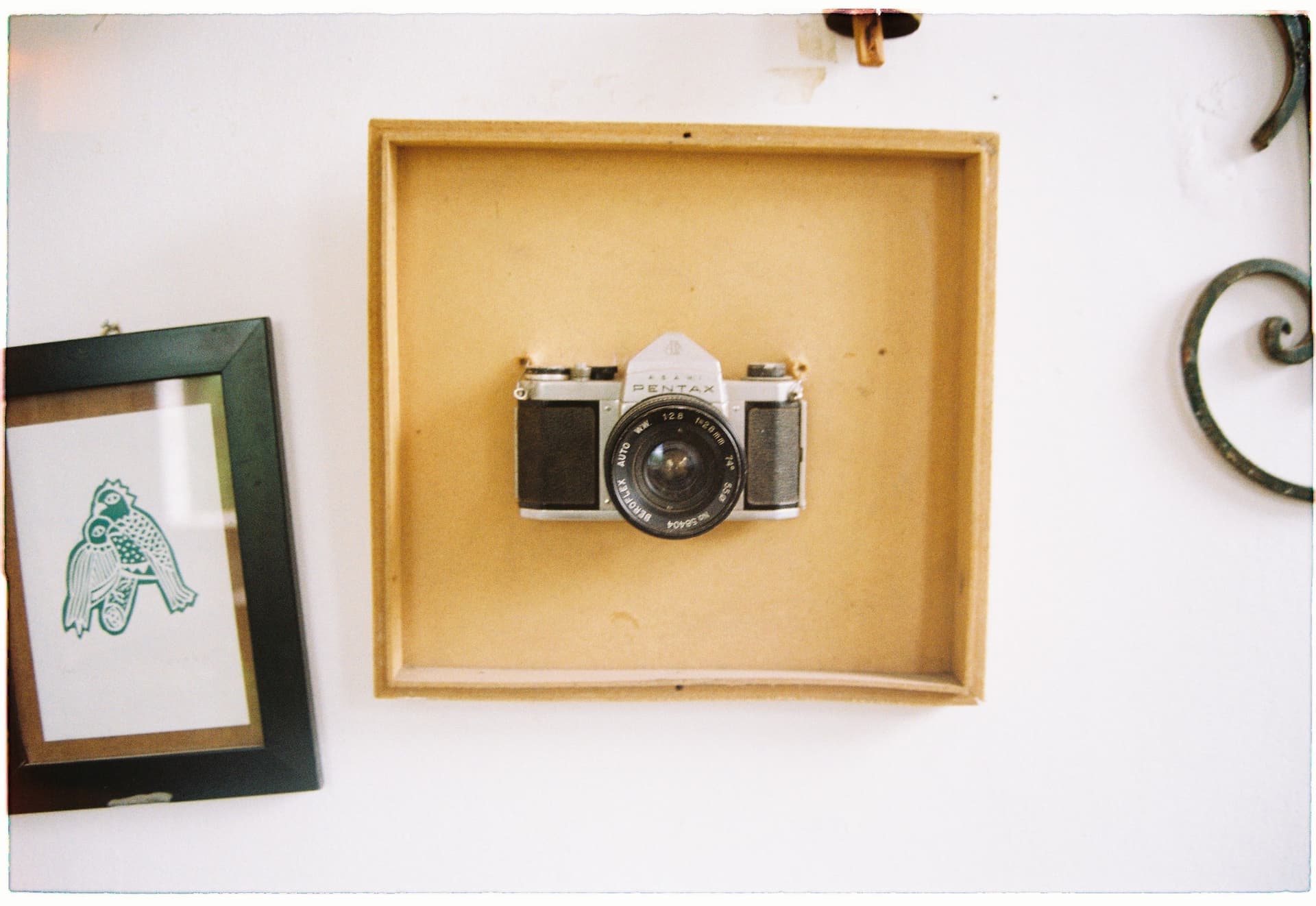
If the thing you are framing has any depth to it — a medal, a jersey, a pressed flower, a set of keys — you need a shadow box. Everything flat goes in a picture frame.
A picture frame holds artwork against a backing board with a couple of millimeters of clearance. A shadow box has an inch or more, so an object can be mounted without being crushed against the glazing.
Disclosure: Hang & Hue earns commission from qualifying purchases made through the links on this page, at no extra cost to you. As an Amazon Associate we earn from qualifying purchases. It does not change which products we recommend or the order they appear in — read our editorial policy and full affiliate disclosure.
Quick picks
Tap any row to jump to the full write-up.
| # | Product | Best for | Price |
|---|---|---|---|
| 1 | 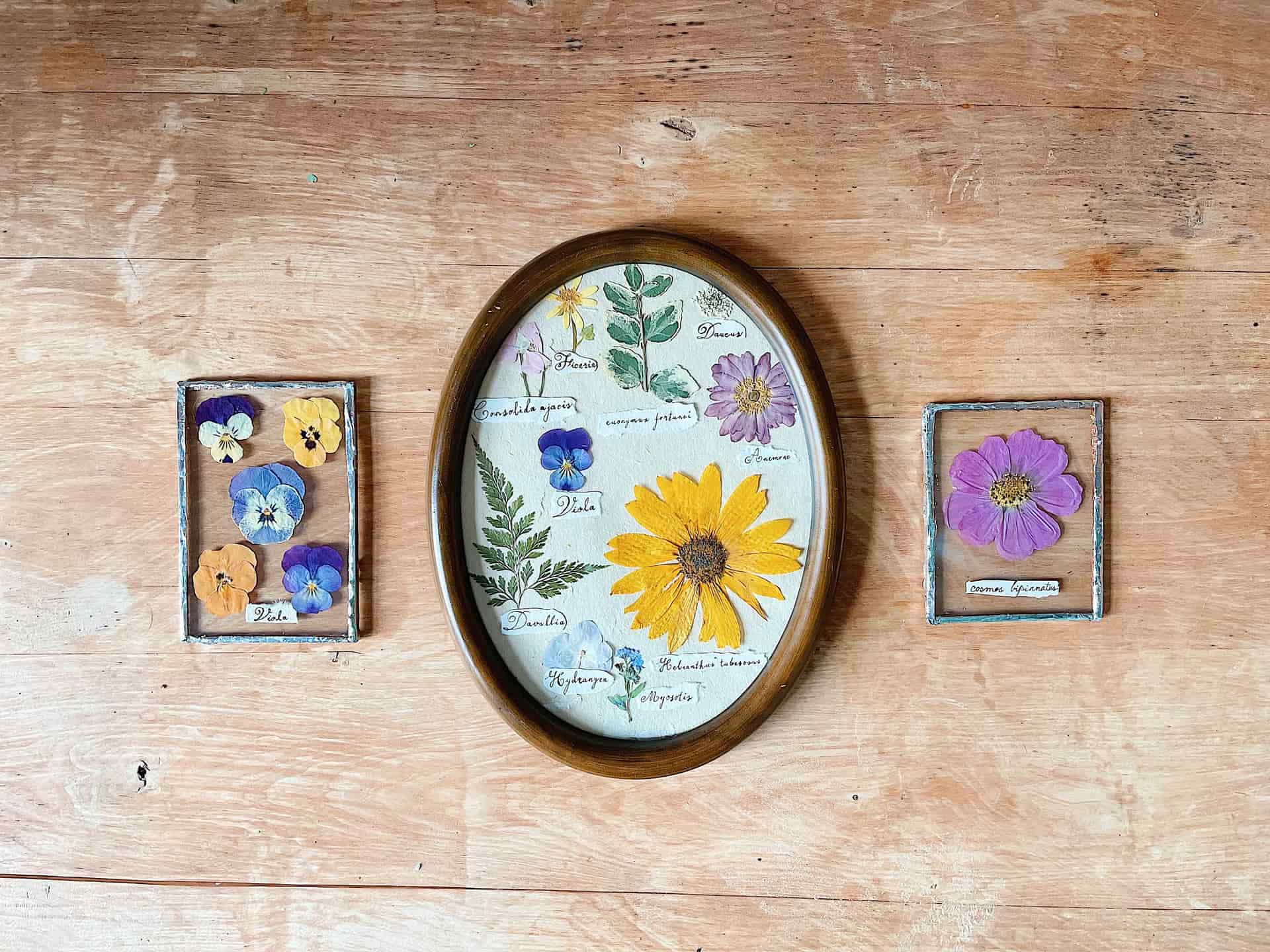 Americanflat Floating Frame A double-glazed float frame handles pressed flowers, tickets and thin textiles without the cost or bulk of a shadow box. | Best for near-flat keepsakes | |
| 2 | 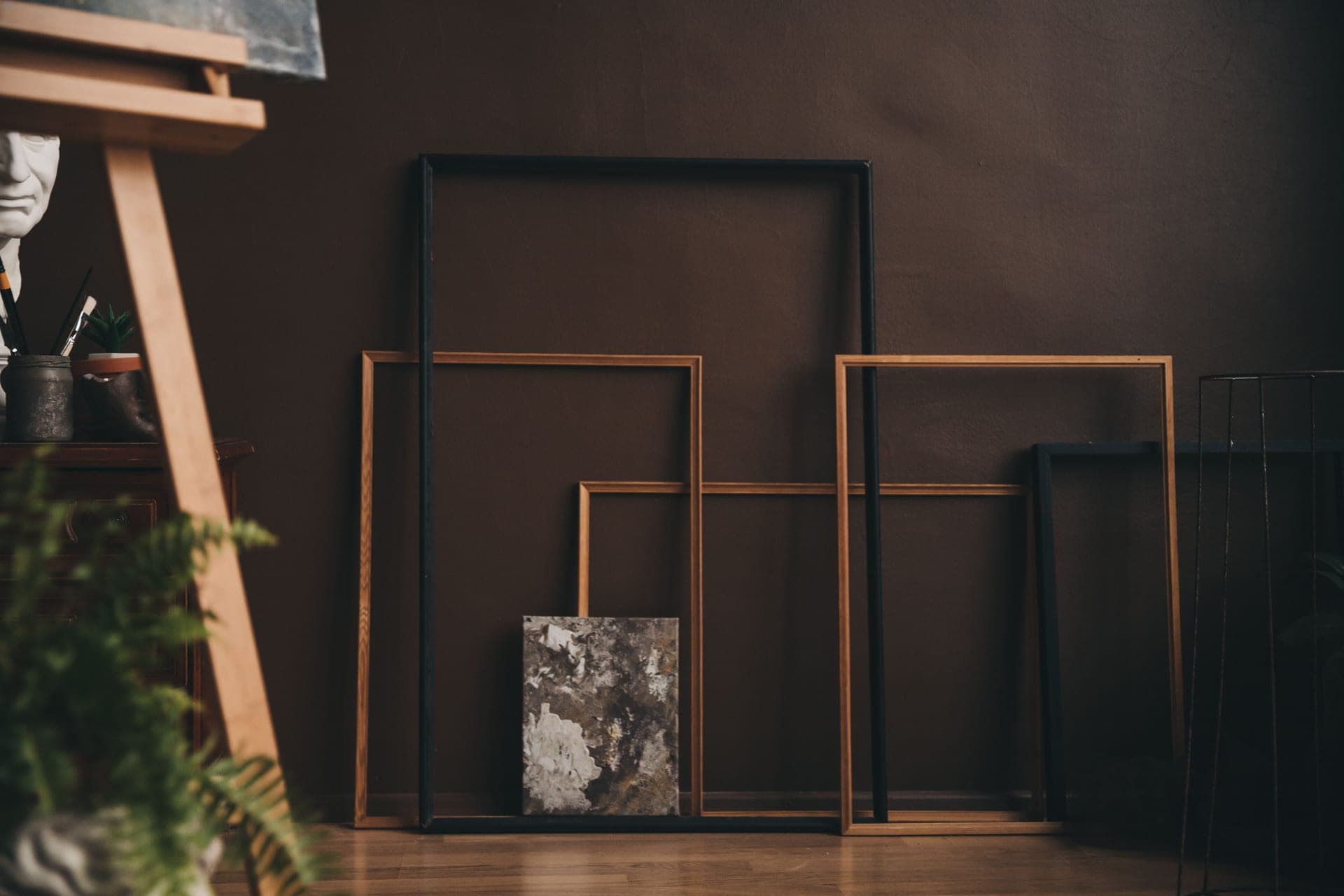 Craig Frames Picture Frame The widest choice of deep moldings here, including profiles with enough rebate to approach shadow-box territory. | Best deep-profile frames | |
| 3 | 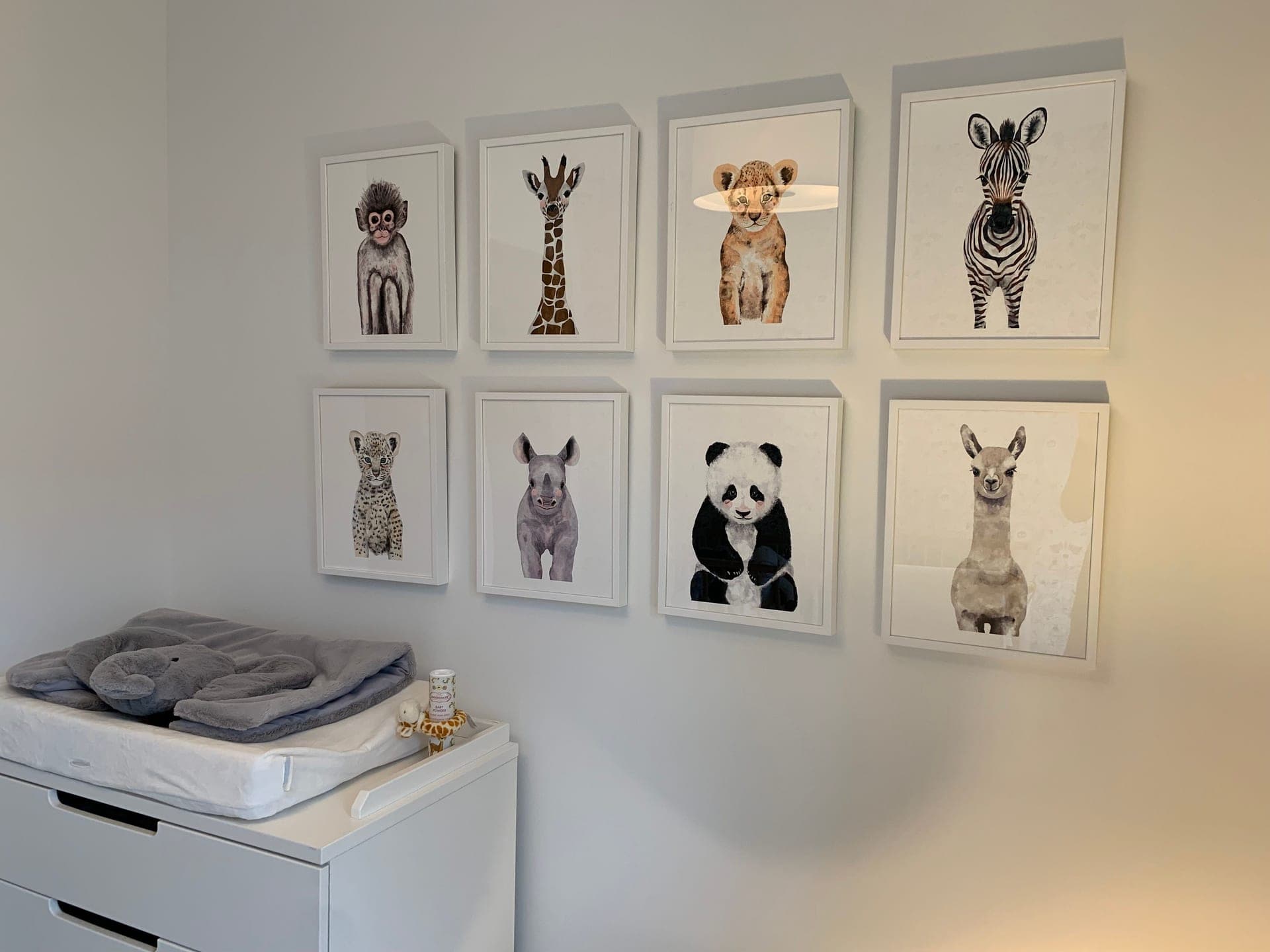 Golden State Art Matted Picture Frame Acid-free matting in standard step-downs, which is the right treatment for a certificate, a program or a photograph with no depth to it. | Best for flat memorabilia | |
| 4 | 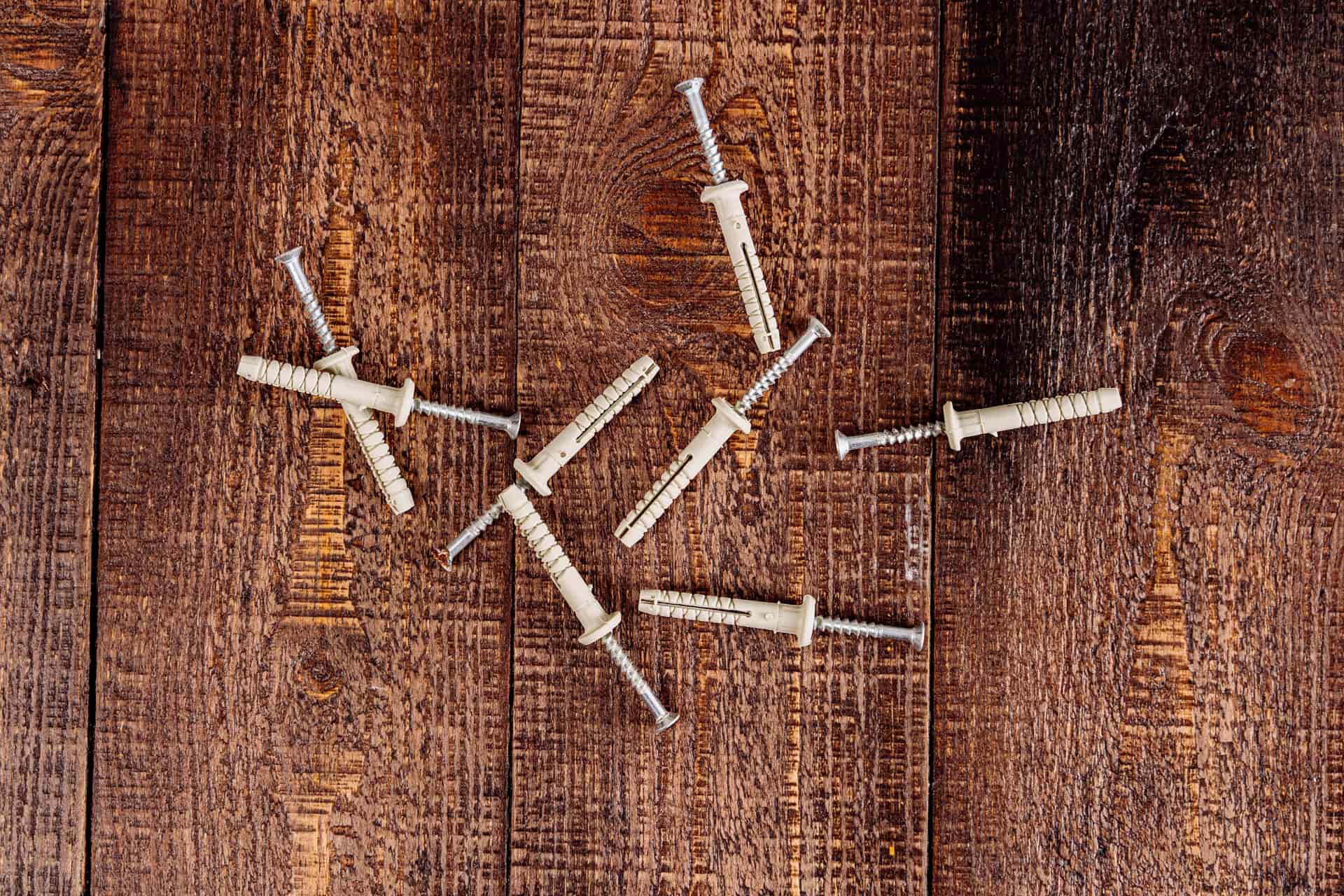 OOK Monkey Hook Drywall Picture Hanger A shadow box is heavier and pivots more easily than a flat frame. Two of these, spaced across the width, hold it flat and level. | Best fixing for a deep box |
The difference, precisely
| Picture frame | Shadow box | |
|---|---|---|
| Internal depth | A few millimeters | Typically 1 to 2 in, sometimes more |
| Holds | Flat paper, photographs, prints | Objects with dimension |
| Mounting | Held flat by the backing board | Pinned, stitched or adhered to a fabric-covered board |
| Glazing distance | Touching or nearly touching the art | Well clear of the object |
| Weight | Light — mostly the glazing | Heavier — deeper molding plus the object itself |
| Hanging | Usually adhesive strips are fine | Often needs a hook; check the total weight |
| Cost | Low at standard sizes | Higher — more material, deeper molding |
What actually needs a shadow box
- Medals, coins, badges and pins. Anything that stands proud of a backing board.
- Jerseys and textiles. Folded fabric has real depth, and a jersey pressed flat against glass looks wrong and creases permanently.
- Pressed flowers and botanicals. These are borderline. Genuinely flat pressings work in a float frame; anything with remaining thickness needs the clearance. Floating frames covers the flat case.
- Keepsakes and collections. Ticket stubs plus a photograph plus a small object — the composition needs depth to sit at different levels.
Mounting inside a shadow box
This is the part people underestimate. The object has to be held against a vertical surface, permanently, without damaging it.
- Pins into a fabric-covered board — the conservation standard. Reversible and holds nothing with adhesive.
- Stitching — for textiles. Thread through the backing board, invisible from the front, and entirely reversible.
- Archival adhesive — for lightweight paper items only. Never ordinary tape or a glue stick; both yellow and both stain.
Whatever the method, keep the object clear of the glazing. Anything touching the glass will eventually stick to it in a humid room, which is the same failure a mat prevents in an ordinary frame.
Hanging a shadow box
A shadow box is heavier than a picture frame of the same face size — more molding, plus the object. Weigh it rather than assuming, then match it to a method rated above that figure.
Depth also changes the mechanics: a deep box sits further off the wall, so it pivots more easily on a single fixing. Use two fixings spaced across the width, always, regardless of what the weight rating alone would allow. The weight ladder and no-drill kits.
The picks in full
Each entry states what it is for, the specification that decides it, and who should skip it.
1. Best for near-flat keepsakes
Americanflat Floating Frame
Americanflat
A double-glazed float frame handles pressed flowers, tickets and thin textiles without the cost or bulk of a shadow box.
- Construction
- Print sits between two glazing panes — edges stay visible
- Sizes
- Standard sizes from small formats up
- Best for
- Deckle-edge prints, pressed botanicals, odd-size art
- Orientation
- Wall or tabletop
The spec that decides it: Two glazing panes with the item floated between them.
Skip it if: The object has real depth. Two panes of glazing will crush it.
2. Best deep-profile frames
Craig Frames Picture Frame
Craig Frames
The widest choice of deep moldings here, including profiles with enough rebate to approach shadow-box territory.
- Sizes
- Very wide size range, including oversize and non-standard
- Glazing
- Lightweight shatter-resistant acrylic front
- Profiles
- Contemporary through ornate; wide molding choice
- Origin
- Made in the USA
The spec that decides it: Deep molding profiles available across a very wide size range.
Skip it if: You need a full inch or more of internal depth — buy a purpose-built shadow box.
3. Best for flat memorabilia
Golden State Art Matted Picture Frame
Golden State Art
Acid-free matting in standard step-downs, which is the right treatment for a certificate, a program or a photograph with no depth to it.
- Common openings
- 11x14 frame matted to 8x10; 16x20 matted to 11x14
- Mat
- Acid-free on the archival lines
- Glazing
- Glass or acrylic by line
- Packs
- Often sold in multi-packs
The spec that decides it: Acid-free matting with standard step-down openings.
Skip it if: The item is three-dimensional. A mat holds it off the glazing but does not give it room.
4. Best fixing for a deep box
OOK Monkey Hook Drywall Picture Hanger
OOK
A shadow box is heavier and pivots more easily than a flat frame. Two of these, spaced across the width, hold it flat and level.
- Rated weight
- 35 lb on 1/2 in residential drywall; 50 lb on 5/8 in commercial drywall
- Wall types
- Hollow drywall only — not studs, not plaster over lath, not masonry
- Tools
- None — push and twist by hand
- Wall damage
- One pin-sized hole
The spec that decides it: 35 lb each on 1/2 in drywall — use two, spaced, and stay well under the combined rating.
Skip it if: The box is light and flat-backed — adhesive strips would leave no mark at all.
Common questions
What is the difference between a picture frame and a shadow box?
Depth. A picture frame holds flat artwork against a backing board with a couple of millimeters of clearance. A shadow box has an inch or more of internal depth, so a three-dimensional object can be mounted without being crushed against the glazing.
Do I need a shadow box for a pressed flower?
Usually not. A genuinely flat pressing works in a double-glazed float frame, which is cheaper and less bulky. If the pressing still has visible thickness, or you want it to cast a shadow, use a shadow box.
How do you mount something in a shadow box?
Pins into a fabric-covered backing board for most objects, stitching for textiles, and archival adhesive for lightweight paper only. Never ordinary tape or a glue stick — both yellow and both stain. Keep the object clear of the glazing so it cannot stick to it.
Are shadow boxes heavier than picture frames?
Yes — more molding material plus the object inside. They also sit further off the wall, which makes them pivot more easily on a single fixing. Weigh yours and use two fixings spaced across the width, regardless of what the rating alone allows.
Can you use a shadow box for a flat print?
You can, and the deep recess creates a dramatic shadow around the artwork. It costs more and adds weight for a purely aesthetic effect, so it is a style choice rather than a requirement — a deep-profile picture frame gets you most of the way for less.
Sources for the figures on this page
Read next
- Best Floating Frames
Double-glazed float frames for paper, and recessed float frames for canvas — two different products with the same name.
- Best Picture Frames
Frame lines compared on glazing, mat quality, size range and depth — plus what genuinely changes with price.
- Best Matted Frames
Matted frames compared on border width, acid-free board and the step-down sizes each line covers.
- Best No-Drill Hanging Kits
Drywall hooks at 35 lb, no-stud plates at 200 lb, and rail systems — with the wall damage each one actually causes.
- Picture Frame Sizes Chart
Every standard frame size with its unmatted and matted capacity — the table to check before you order anything.
- How to Hang Pictures Without Nails
Every no-nail method ranked by rated weight capacity, from 1 lb poster strips to a 35 lb drywall hook.