Best No-Drill Hanging Kits
Everything above the 16 lb adhesive ceiling, ranked by rated capacity — and honest about the hole each one leaves.
By Janet H. · Published
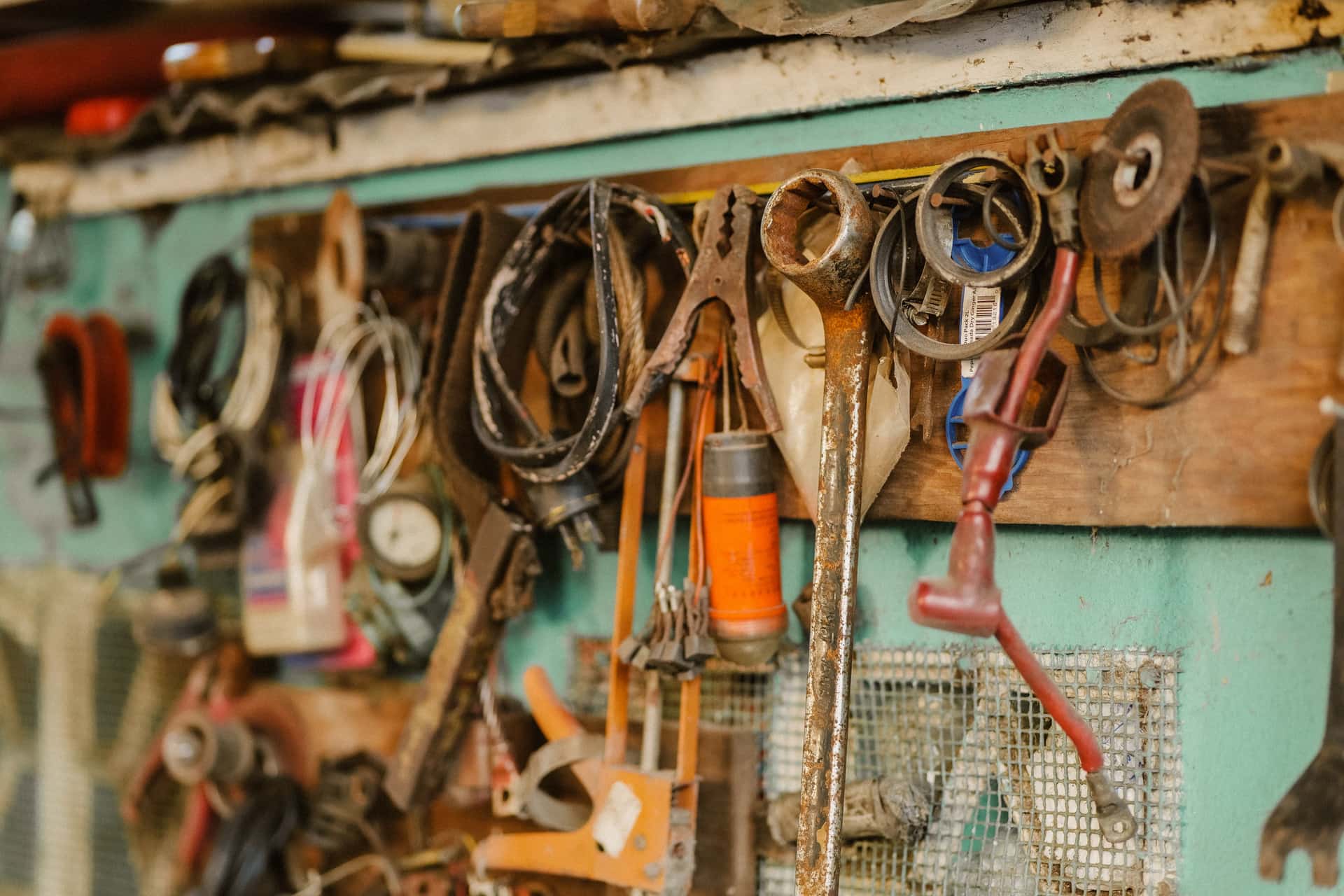
Above 16 lb, adhesive is out and the question becomes how small a hole you are willing to make. An OOK Monkey Hook holds 35 lb and leaves a hole the diameter of a pin. A no-stud hanger plate holds far more and leaves several. A picture rail puts one row of screws along the top of the wall and then never needs another hole.
None of these needs a drill. All of them beat an adhesive strip that fails and takes paint with it.
Disclosure: Hang & Hue earns commission from qualifying purchases made through the links on this page, at no extra cost to you. As an Amazon Associate we earn from qualifying purchases. It does not change which products we recommend or the order they appear in — read our editorial policy and full affiliate disclosure.
How these picks were chosen
We select on published specification — rated weight capacity, frame size compatibility, mounting method and materials — plus the durability patterns owners report at volume. We do not test these products ourselves. Read our full method.
Photographs on this page are licensed category images, not photographs of the individual products. Each link opens the product’s live listing, where the current photos, sizes and price are shown.
Quick picks
Tap any row to jump to the full write-up.
| # | Product | Best for | Price |
|---|---|---|---|
| 1 | 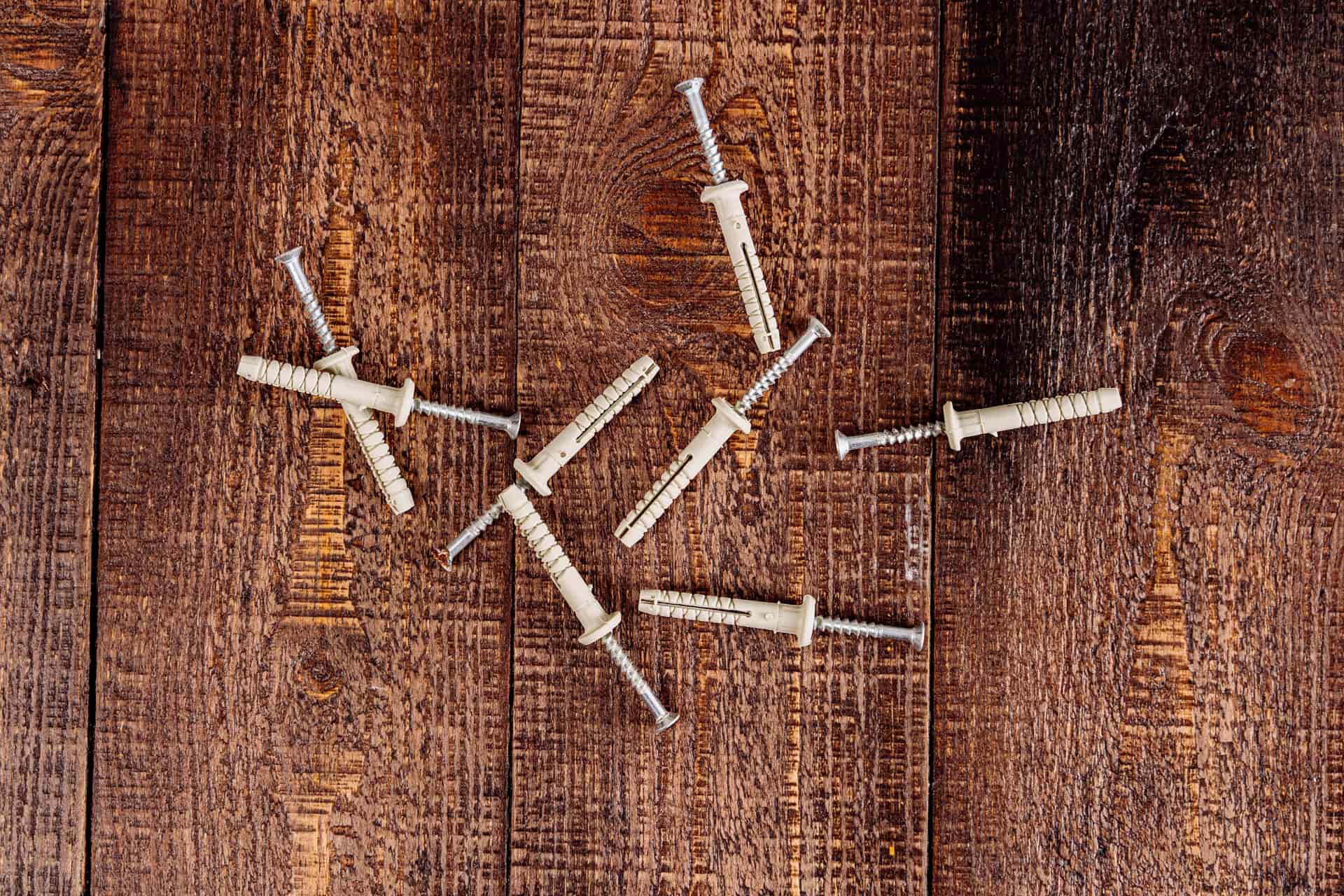 OOK Monkey Hook Drywall Picture Hanger The one product that bridges the gap adhesive cannot. Goes in by hand in seconds, holds 35 lb, leaves a hole you can barely see. | Best 16-35 lb | |
| 2 | Hillman No Stud Drywall Metal Picture Hanger (122370) Spreads the load across several short pins rather than one point, and is rated far above anything else here that goes in with a hammer. | Best for heavy mirrors | |
| 3 | 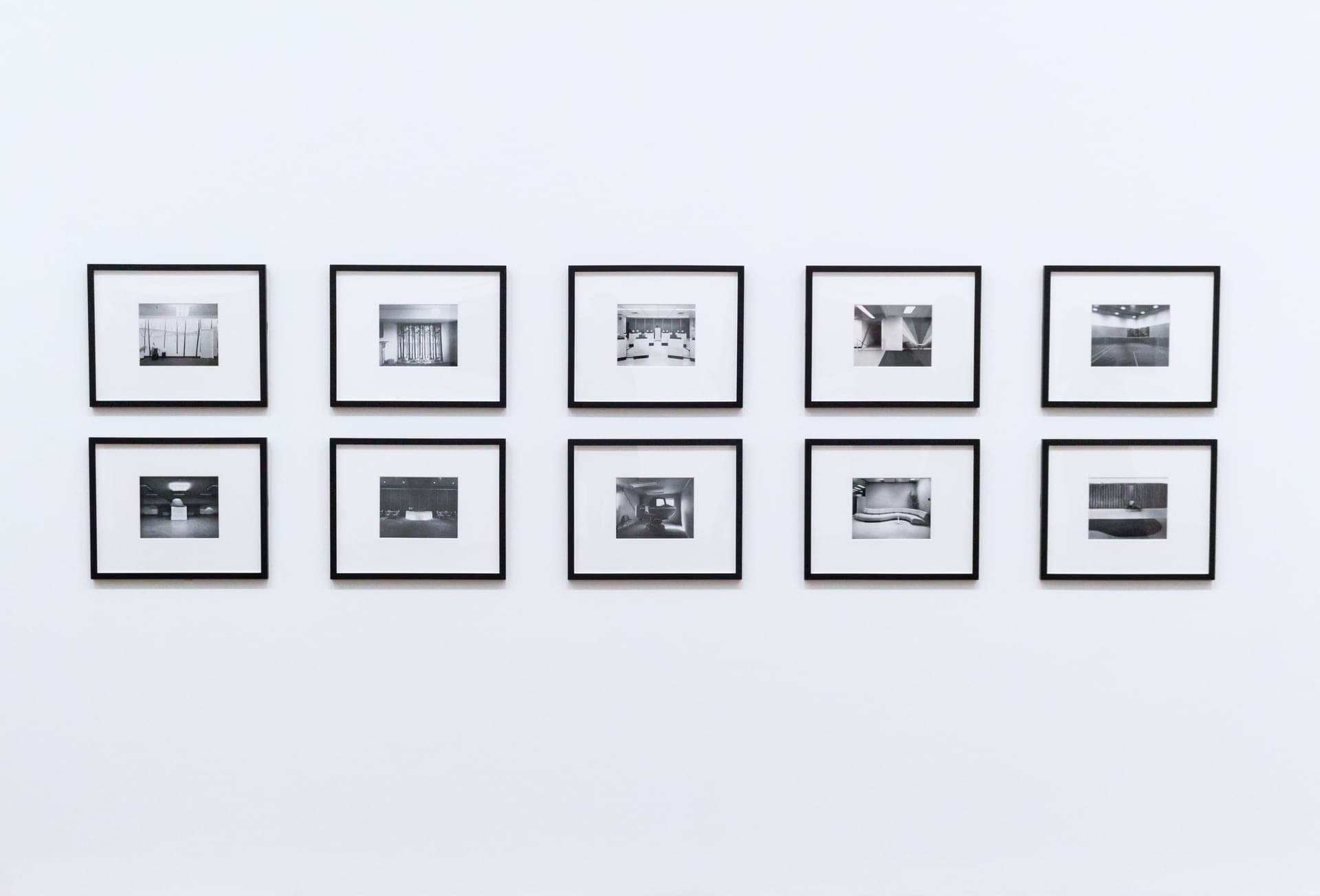 STAS Cliprail Picture Hanging System Set One row of screws and then never another hole. Frames slide anywhere along the rail, which is what a rearranged gallery wall actually needs. | Best if the wall keeps changing | |
| 4 | Hangman Heavy-Duty Mirror & Picture Hanger A two-part aluminum cleat with a built-in level, rated 100 lb and 200 lb by length. The most stable way to hang something very wide. | Best interlocking cleat | |
| 5 | OOK Gorilla Hook Heavy-Duty Drywall Hanger The Monkey Hook in a thicker wire, for when the piece is close to the standard hook's ceiling and you want headroom. | Heavier-gauge drywall hook |
Rated capacity against actual wall damage
| Method | Rated capacity | Wall damage | Tools |
|---|---|---|---|
| OOK Monkey Hook | 35 lb on 1/2 in drywall, 50 lb on 5/8 in | One pin-sized hole | None |
| OOK Gorilla Hook | Heavier-gauge variant of the above | One pin-sized hole | None |
| Hillman No Stud hanger plate | 200 lb (manufacturer figure) | Several short pin holes | Hammer |
| Hangman heavy-duty hanger | 100 lb and 200 lb sets | Screw holes | Screwdriver |
| STAS Cliprail picture rail | Cliprail Pro: up to 99 lb per 39.25 in | One row of screws, once | Screwdriver |
The small-hole drywall hook, in practice
A Monkey Hook is a bent steel wire. You push the point through the drywall by hand, rotate it so the long tail lies flat against the back face of the board, and the hook end sits proud on the front. The load is carried by the whole hidden tail rather than by the edge of the hole, which is why a pin-sized entry can hold 35 lb.
Where it does not work:
- Plaster over lath — no hollow cavity to rotate into.
- Masonry, tile and concrete — nothing pushes through by hand.
- Directly over a stud — move an inch sideways and try again.
For brick specifically there is a better answer that involves no fixing at all: brick clips.
No-stud plates, for mirrors and heavy frames
A no-stud hanger plate drives several short pins through the plate at opposing angles, so the load is shared across a patch of board rather than one point. Hillman rates its 122370 plate at 200 lb. That is the range where a large framed mirror lives.
The pins are short and fine, so the damage is several filler-sized holes rather than the crater an anchor leaves. It is still more than a Monkey Hook, so use it when the weight demands it, not by default. Hanging a heavy mirror covers the whole job.
Picture rails, for walls that keep changing
A rail is the only option here that improves with use. You fix it once along the top of the wall, and after that every frame hangs from a sliding cord and hook. Move a frame, add one, change the whole arrangement — no new holes, ever.
STAS rates its Cliprail Pro at up to 99 lb per 39.25 inches of rail. For a gallery wall that you expect to rearrange, or a hallway you rotate seasonally, the initial row of screws pays for itself quickly. Picture rail versus adhesive hanging compares them on cost and commitment.
The picks in full
Each entry states what it is for, the specification that decides it, and who should skip it.
1. Best 16-35 lb
OOK Monkey Hook Drywall Picture Hanger
OOK
The one product that bridges the gap adhesive cannot. Goes in by hand in seconds, holds 35 lb, leaves a hole you can barely see.
- Rated weight
- 35 lb on 1/2 in residential drywall; 50 lb on 5/8 in commercial drywall
- Wall types
- Hollow drywall only — not studs, not plaster over lath, not masonry
- Tools
- None — push and twist by hand
- Wall damage
- One pin-sized hole
The spec that decides it: 35 lb on 1/2 in residential drywall; 50 lb on 5/8 in commercial board.
Skip it if: The wall is plaster, masonry or tile — it needs hollow drywall to rotate behind.
2. Best for heavy mirrors
Hillman No Stud Drywall Metal Picture Hanger (122370)
Hillman
Spreads the load across several short pins rather than one point, and is rated far above anything else here that goes in with a hammer.
- Rated weight
- 200 lb (manufacturer rating)
- Wall types
- Drywall — no stud required
- Tools
- Hammer; the plate drives multiple short pins
- Wall damage
- Several pin holes, filler-sized
The spec that decides it: 200 lb manufacturer rating, with pins short enough to leave filler-sized holes.
Skip it if: The piece is under 35 lb — you are making several holes where one would do.
3. Best if the wall keeps changing
STAS Cliprail Picture Hanging System Set
STAS
One row of screws and then never another hole. Frames slide anywhere along the rail, which is what a rearranged gallery wall actually needs.
- Coverage
- Sets sized from about 4.9 ft to 29.5 ft of wall
- Rated load
- Cliprail Pro: up to 99 lb per 39.25 in of rail (manufacturer figure)
- Adjustment
- Hooks and cords slide along the rail — no new holes to move a frame
- Wall damage
- One row of screw holes at the top of the wall
The spec that decides it: Cliprail Pro is rated up to 99 lb per 39.25 in of rail.
Skip it if: You are hanging one picture, once. The install cost only pays back across a wall.
4. Best interlocking cleat
Hangman Heavy-Duty Mirror & Picture Hanger
Hangman Products
A two-part aluminum cleat with a built-in level, rated 100 lb and 200 lb by length. The most stable way to hang something very wide.
- Rated weight
- 100 lb and 200 lb bracket sets, depending on length
- System
- Interlocking French cleat — two aluminum rails
- Tools
- Screwdriver; includes wall-dog screws and a bubble level
- Wall damage
- Screw holes — this one is not renter-reversible
The spec that decides it: 100 lb and 200 lb bracket sets, with load spread along the full cleat length.
Skip it if: You need it to be reversible — this one uses screws and is not a renter-friendly fixing.
5. Heavier-gauge drywall hook
OOK Gorilla Hook Heavy-Duty Drywall Hanger
OOK
The Monkey Hook in a thicker wire, for when the piece is close to the standard hook's ceiling and you want headroom.
- Rated weight
- Heavier-gauge Monkey Hook variant, rated above the standard hook
- Wall types
- Hollow drywall only
- Tools
- None — push and twist by hand
- Wall damage
- One pin-sized hole
The spec that decides it: Heavier-gauge steel rated above the standard Monkey Hook on the same drywall.
Skip it if: The load is well under 35 lb — the standard hook is easier to push in by hand.
Common questions
How do you hang a heavy picture without drilling?
Up to 35 lb on standard drywall, use a threaded drywall hook such as a Monkey Hook, which pushes in by hand and leaves a pin-sized hole. Above that, a no-stud hanger plate driven with a hammer carries far more, at the cost of several small pin holes.
How much weight can a Monkey Hook hold?
OOK publishes 35 lb on half-inch residential drywall and 50 lb on five-eighths inch commercial drywall. It needs hollow board to work — it will not hold in plaster over lath, masonry or directly over a stud.
Do no-drill hangers damage the wall?
They leave a hole, but a very small one. A drywall hook's entry is about the diameter of a pin and closes with filler and a fingertip. That is usually less repair than a failed adhesive strip, which lifts paint and needs sanding and priming.
Do you need a stud to hang a picture?
Not for anything under about 35 lb on standard drywall — a threaded drywall hook grips the back face of the hollow board. Studs matter for very heavy loads such as large mirrors, wall-mounted shelving and televisions.
Is a picture rail worth it in a rental?
If you expect to rearrange the wall, yes. A rail is one row of screws at the top of the wall, after which every frame moves freely on a sliding hook. Across a gallery wall that changes, that is fewer holes than hanging the frames individually even once.
Sources for the figures on this page
Read next
- How to Hang Pictures Without Nails
Every no-nail method ranked by rated weight capacity, from 1 lb poster strips to a 35 lb drywall hook.
- Hanging a Heavy Mirror Without Drilling
Why adhesive is out at mirror weights, the no-stud plates rated 100-200 lb, and when to lean it instead.
- Picture Rail vs Adhesive Hanging
Weight ceilings, install cost and what happens the third time you rearrange the wall.
- Hanging Pictures on Brick Without Drilling
Brick clips, the fitment measurement that decides whether they work, and what to do on painted or irregular brick.
- Best Picture Hanging Strips
Strip-by-strip weight ratings mapped to the frame sizes each one suits, from a 5x7 photo to a 24x36 poster frame.
- Staircase Gallery Walls
Finding the stair pitch guide line, measuring height from each tread, and why adhesive is the wrong fixing on stairs.