Hanging on Textured Walls
No adhesive strip is reliable on a textured wall, whatever the packet says. Here is why, and the three things that work instead.
By Janet H. · Published
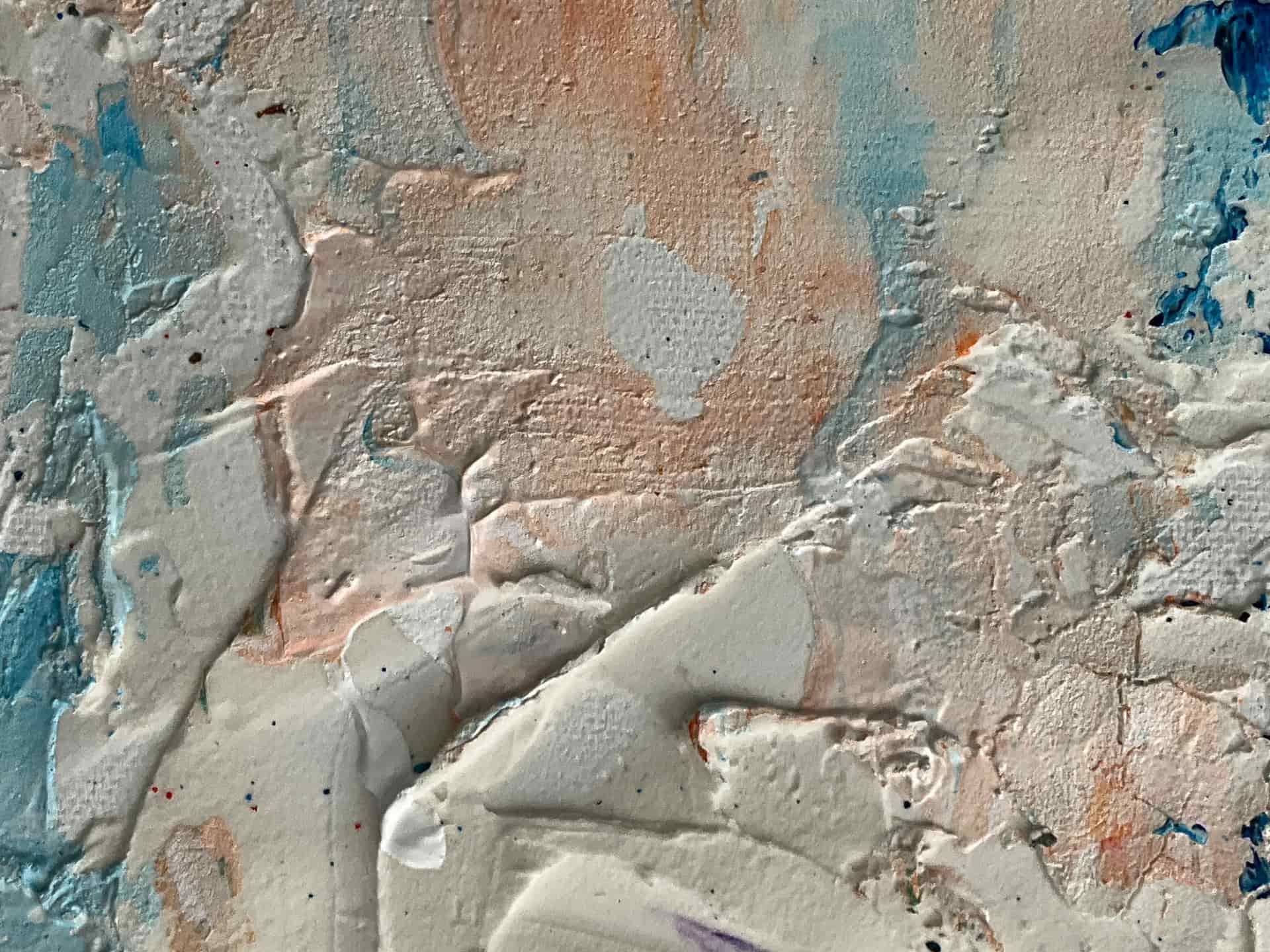
Do not use adhesive strips on a textured wall. They will fail, usually overnight. The rating on the packet assumes full contact across the strip’s face; on orange peel or knockdown the adhesive touches only the high points, so the real bond is a fraction of the rated area.
Three things do work: a small-hole drywall hook, a picture ledge, and a picture rail. All three ignore the surface texture entirely, because none of them depends on sticking to it.
Disclosure: Hang & Hue earns commission from qualifying purchases made through the links on this page, at no extra cost to you. As an Amazon Associate we earn from qualifying purchases. It does not change which products we recommend or the order they appear in — read our editorial policy and full affiliate disclosure.
Quick picks
Tap any row to jump to the full write-up.
| # | Product | Best for | Price |
|---|---|---|---|
| 1 | 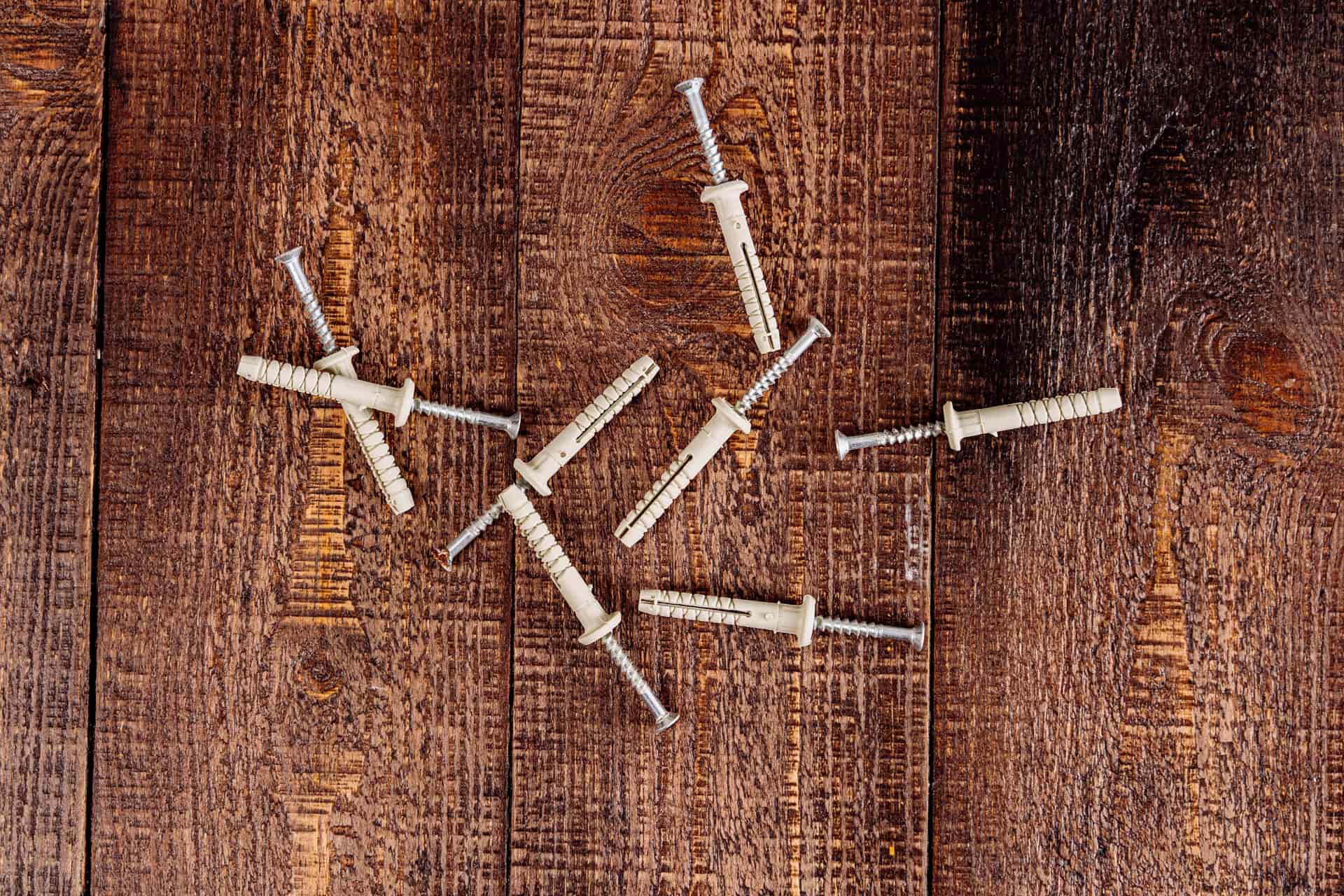 OOK Monkey Hook Drywall Picture Hanger Ignores the surface entirely — it grips the back face of the board, so texture is irrelevant. 35 lb, one pin hole, no tools. | Best for a textured wall | |
| 2 | 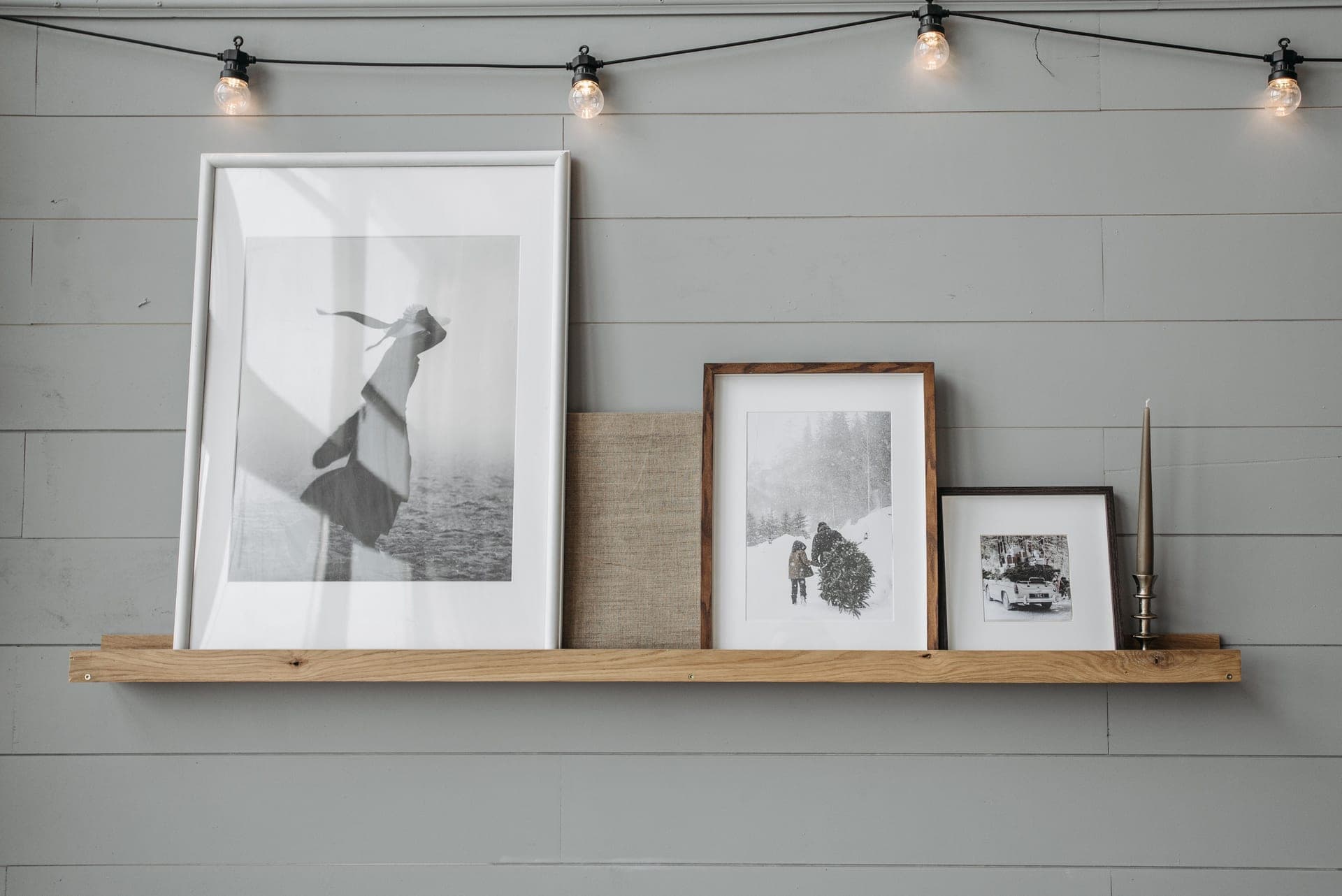 Kate and Laurel Levie Wood Floating Picture Ledge Two screws, and the frames lean instead of hanging. The arrangement changes in seconds and nothing bonds to the texture. | Best no-adhesive display | |
| 3 | 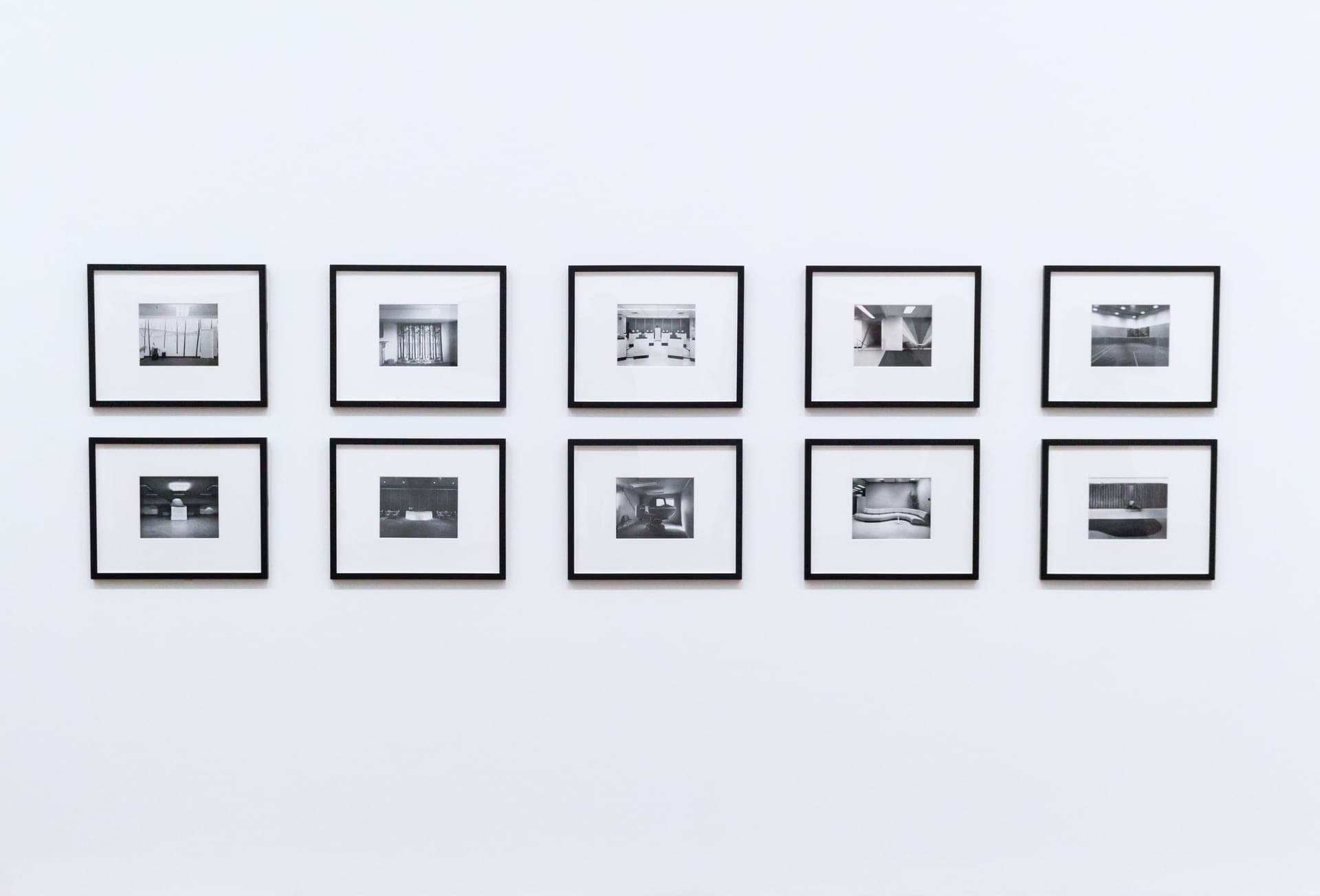 STAS Cliprail Picture Hanging System Set The texture problem and the rearranging problem disappear together. One row of screws, then unlimited freedom. | Best for several frames | |
| 4 | MCS Picture Ledge Shelf A plain woodgrain ledge in 23.75 in and 35 in lengths, sold singly and in pairs — the cheapest way off a textured wall. | Best budget ledge |
Why adhesive fails here specifically
Adhesive strength is a function of contact area. A Command Large strip is rated 4 lb per set on the assumption that essentially all of its face is in contact with the wall. Lay that same strip across a knockdown texture and it touches perhaps a third of that — and it is in contact with peaks that will shear off under load, which is a different failure from simply sticking less well.
The result is the pattern everyone recognizes: it holds for a few hours, seems fine, and is on the floor in the morning. That is progressive bond failure, not a bad batch of strips.
Identify what you have first
| Texture | Looks like | Adhesive verdict |
|---|---|---|
| Smooth / level 5 | Flat, no visible relief | Works — use strips or hooks normally |
| Light orange peel | Fine stipple, like an orange skin | Marginal. Might hold a very light frame; do not trust it |
| Heavy orange peel | Pronounced stipple, visible in raking light | Fails |
| Knockdown | Flattened splatter with distinct plateaus | Fails |
| Popcorn / acoustic | Deep, crumbly, usually a ceiling | Fails, and may shed |
| Skip trowel / Venetian | Troweled ridges and valleys | Fails |
Only smooth walls are safe for adhesive. Light orange peel occasionally holds a very light frame, and it is not worth the gamble on anything you would be sorry to drop.
The three that work
1. A small-hole drywall hook
A Monkey Hook pushes through the texture and the board by hand and grips the back face, so the surface finish is irrelevant. OOK rates it at 35 lb on half-inch residential drywall. The hole is about the diameter of a pin and closes with filler.
2. A picture ledge
Two screws into the wall, and the frames lean rather than hang. Nothing touches the textured surface except the ledge’s own mounting plate. It is also the most flexible option — the arrangement changes in seconds. Picture ledges.
3. A picture rail
One row of screws near the ceiling and then no more holes, ever. On a textured wall where you want several frames, this is the strongest answer: the texture problem disappears and so does the “can I move it” problem. Rail versus adhesive weighs the trade-off.
If you truly cannot make any hole at all
Two options remain, and both avoid the wall rather than beating it:
- Lean it. A large framed piece on a console, a mantel or the floor against the wall is a deliberate look, not a compromise, and it works at any weight.
- Peel-and-stick. Removable wall decals and peel-and-stick wallpaper still want a reasonably smooth surface, so check the manufacturer’s guidance — but they cover far more area than a frame and some tolerate light texture. Peel-and-stick art.
What does not work, despite being widely suggested: hot glue, mounting putty at frame weights, double-sided carpet tape, and construction adhesive. Each one either fails or takes a piece of the wall with it, which is the outcome this entire page exists to avoid.
The picks in full
Each entry states what it is for, the specification that decides it, and who should skip it.
1. Best for a textured wall
OOK Monkey Hook Drywall Picture Hanger
OOK
Ignores the surface entirely — it grips the back face of the board, so texture is irrelevant. 35 lb, one pin hole, no tools.
- Rated weight
- 35 lb on 1/2 in residential drywall; 50 lb on 5/8 in commercial drywall
- Wall types
- Hollow drywall only — not studs, not plaster over lath, not masonry
- Tools
- None — push and twist by hand
- Wall damage
- One pin-sized hole
The spec that decides it: 35 lb on 1/2 in residential drywall, with load carried behind the board rather than on the surface.
Skip it if: The wall is plaster over lath or masonry — it needs hollow drywall behind the texture.
2. Best no-adhesive display
Kate and Laurel Levie Wood Floating Picture Ledge
Kate and Laurel
Two screws, and the frames lean instead of hanging. The arrangement changes in seconds and nothing bonds to the texture.
- Lengths
- Sold in several lengths including 24 in and 42 in
- Lip
- Front lip holds leaning frames
- Finishes
- White, black, gold
- Mounting
- Wall screws — one shelf replaces a row of frame holes
The spec that decides it: Front lip sized for leaning frames; lengths from 24 in up.
Skip it if: You want frames at several heights — a ledge puts everything on one line.
3. Best for several frames
STAS Cliprail Picture Hanging System Set
STAS
The texture problem and the rearranging problem disappear together. One row of screws, then unlimited freedom.
- Coverage
- Sets sized from about 4.9 ft to 29.5 ft of wall
- Rated load
- Cliprail Pro: up to 99 lb per 39.25 in of rail (manufacturer figure)
- Adjustment
- Hooks and cords slide along the rail — no new holes to move a frame
- Wall damage
- One row of screw holes at the top of the wall
The spec that decides it: Cliprail Pro rated up to 99 lb per 39.25 in of rail.
Skip it if: You are hanging one picture. The install cost only pays back across a wall.
4. Best budget ledge
MCS Picture Ledge Shelf
MCS Industries
A plain woodgrain ledge in 23.75 in and 35 in lengths, sold singly and in pairs — the cheapest way off a textured wall.
- Lengths
- 23.75 in and 35 in, sold singly and in pairs
- Lip
- Front lip holds leaning frames
- Finishes
- White and black woodgrain
- Mounting
- Wall screws
The spec that decides it: Front lip and two-screw mounting, in two standard lengths.
Skip it if: You need a long unbroken run — for 48 in and above, look at the metal ledges.
Common questions
Which command strips work on textured walls?
None reliably. Adhesive ratings assume full contact across the strip face, and a textured wall gives it only the high points — so the real bond is a fraction of the rating and it fails progressively, usually within a day.
How do you hang pictures on a textured wall without nails?
Use a small-hole drywall hook, which pushes through the texture by hand and grips the back of the board, leaving a pin-sized hole. Or avoid the surface entirely with a picture ledge or a picture rail, both of which are unaffected by texture.
Can you sand a textured wall to use command strips?
You can, and it is more damage than the alternatives. Sanding or skim-coating a patch flat means filling, sanding, priming and repainting at move-out — considerably more work than filling one pin-sized hole.
Does more adhesive help on a textured wall?
No. The problem is contact area per strip, so adding strips multiplies a fraction rather than solving it — and it multiplies how much paint comes off when the bond eventually fails.
Will mounting putty hold a picture on a textured wall?
Not at frame weights. Putty is rated for posters and lightweight paper, and on a textured surface it also picks up grit that stops it releasing cleanly. It is not a substitute for a fixing.
Sources for the figures on this page
Read next
- How to Hang Pictures Without Nails
Every no-nail method ranked by rated weight capacity, from 1 lb poster strips to a 35 lb drywall hook.
- Best No-Drill Hanging Kits
Drywall hooks at 35 lb, no-stud plates at 200 lb, and rail systems — with the wall damage each one actually causes.
- Picture Rail vs Adhesive Hanging
Weight ceilings, install cost and what happens the third time you rearrange the wall.
- Best Picture Ledges
Ledges compared on length, lip depth and mounting — the two-screw alternative to hanging a whole gallery wall.
- Best Picture Hanging Strips
Strip-by-strip weight ratings mapped to the frame sizes each one suits, from a 5x7 photo to a 24x36 poster frame.
- Best Peel-and-Stick Wall Art
Decals, panels and removable wallpaper compared, plus the wall conditions that decide whether any of it works.