How to Hang Pictures Without Nails
Six methods, ordered by what they are rated to hold. Weigh the framed piece, find your number, and the decision is already made.
By Janet H. · Published

Weigh the framed piece, then pick the first method on this list rated above that weight. Adhesive picture strips carry up to 16 lb per frame. A pin-sized drywall hook carries 35 lb. A picture rail carries far more. Everything else is detail.
Every other guide lists these methods in a random order and skips the ratings, which is precisely the information that decides the purchase. This one is ordered by rated capacity, lightest first, using the manufacturers’ own published figures.
Disclosure: Hang & Hue earns commission from qualifying purchases made through the links on this page, at no extra cost to you. As an Amazon Associate we earn from qualifying purchases. It does not change which products we recommend or the order they appear in — read our editorial policy and full affiliate disclosure.
Quick picks
Tap any row to jump to the full write-up.
| # | Product | Best for | Price |
|---|---|---|---|
| 1 | 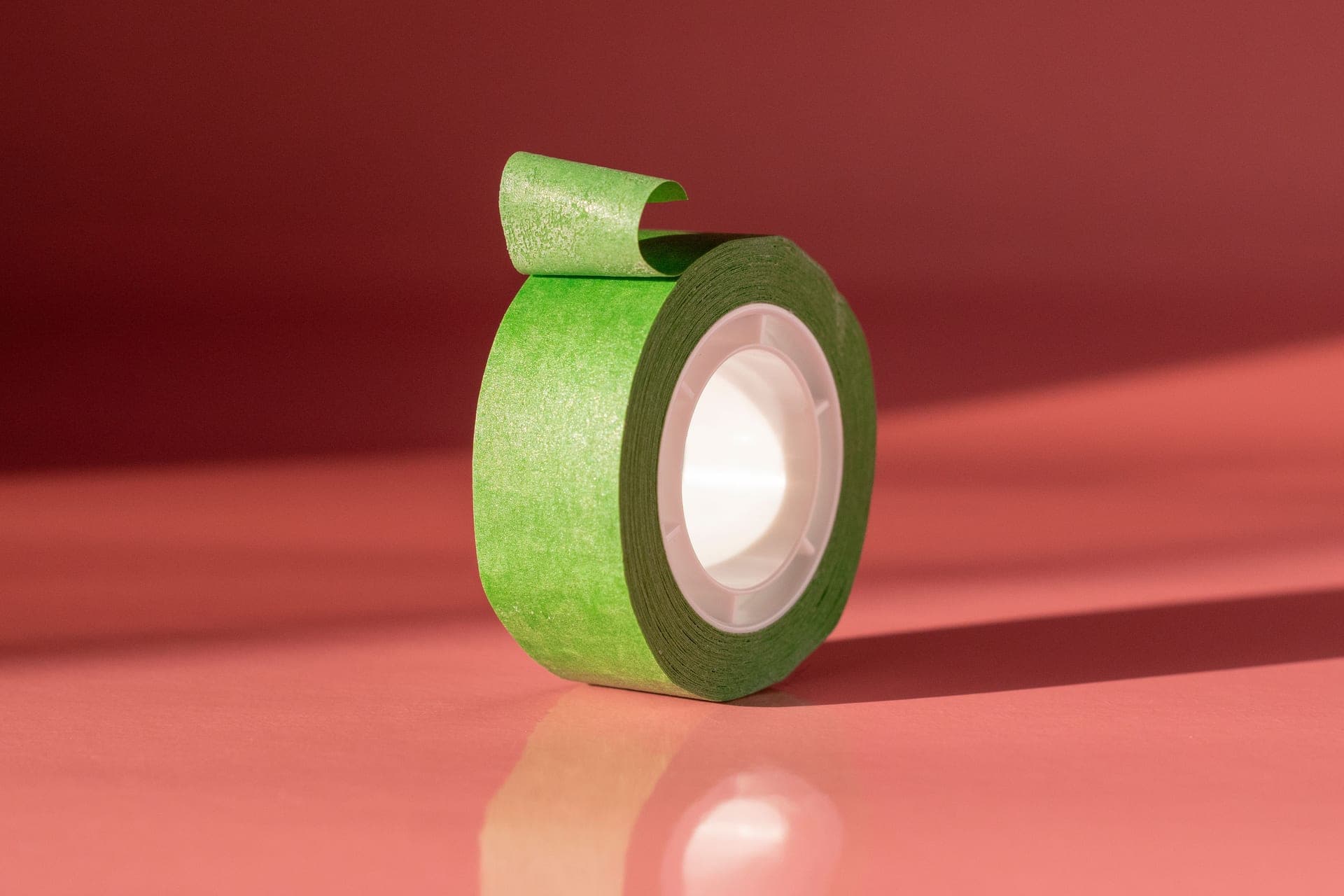 Command Large Picture Hanging Strips (17206) The default for anything from a small framed photo up to a mid-size poster frame. Four sets take one frame to 16 lb. | Most frames, 4-16 lb | |
| 2 | 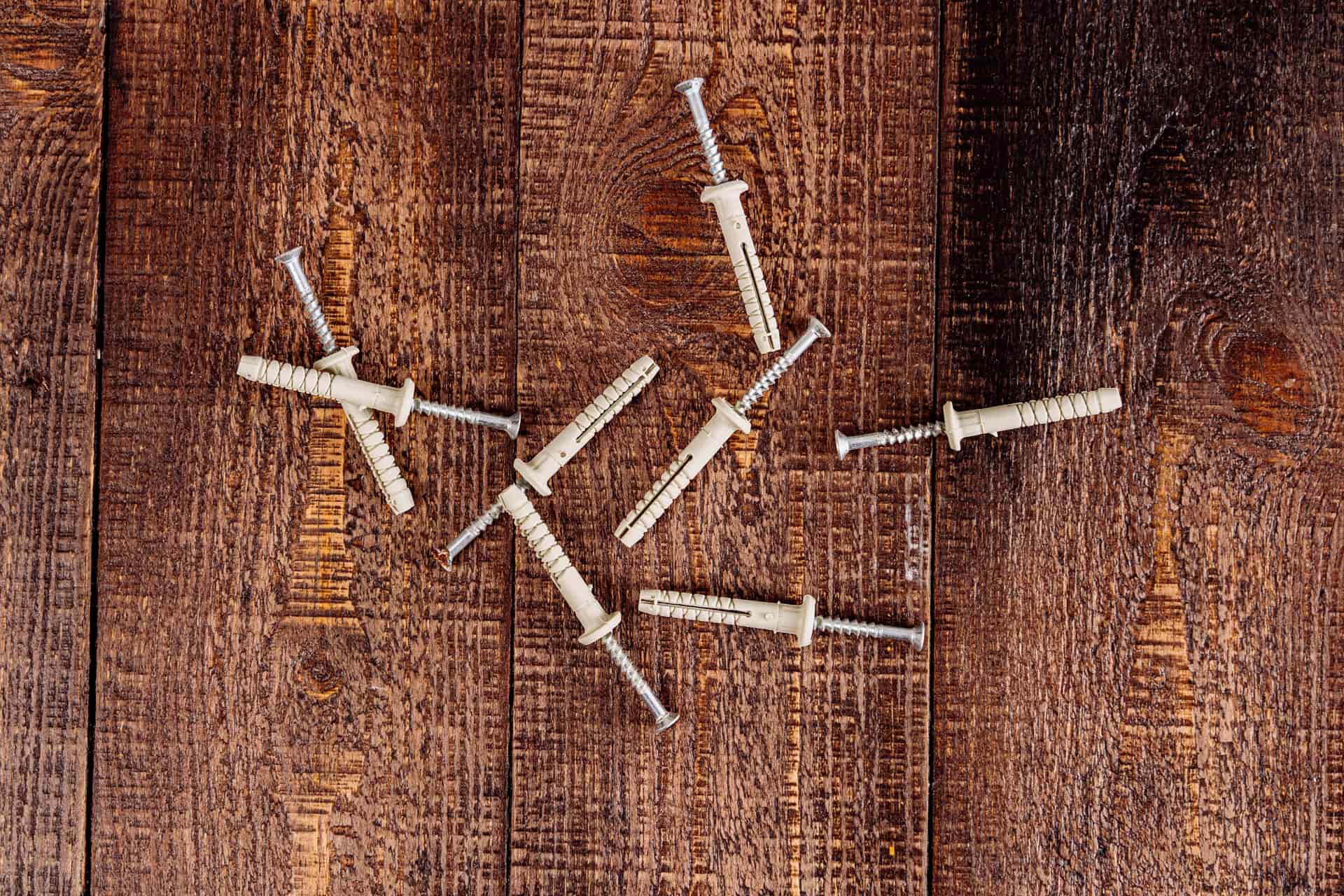 OOK Monkey Hook Drywall Picture Hanger Bridges the gap adhesive cannot. Goes in by hand, holds 35 lb on standard drywall, leaves a pin-sized hole. | Above 16 lb | |
| 3 | VELCRO Brand HANGables Removable Wall Fasteners Adhesive holding power with a hook-and-loop join, so the frame lifts off and goes back without new strips. | When you want it removable | |
| 4 |  Command Poster Strips (17204) The only thing on this list intended for a bare poster. Rated 1 lb, which is all a poster weighs. | Unframed paper |
Step one: weigh it. Actually weigh it.
Put the frame on a kitchen scale, glass and backing board included. People consistently underestimate framed weight by a factor of two or more, because the glazing is most of it and glazing does not look heavy.
A 24x36 frame with real glass can run past 16 lb. The same frame with acrylic glazing is roughly half that — which is the difference between hanging it on strips and putting a hook in the wall. Acrylic versus glass covers that trade-off, and it is worth reading before you buy a large frame you intend to hang without nails.
The six methods, ordered by rated capacity
| Method | Rated capacity | Wall damage | Reposition? |
|---|---|---|---|
| 1. Command Poster Strips | 1 lb | None | No — single use |
| 2. Command Small strips | 1 lb per set | None | No — single use |
| 3. Command Medium strips | 3 lb per set (12 lb with four sets) | None | No — single use |
| 4. Command Large strips | 4 lb per set (16 lb with four sets) | None | No — single use |
| 5. VELCRO HANGables fasteners | Up to 16 lb per pack | None | Yes — the frame lifts off |
| 6. Monkey Hook drywall hook | 35 lb on 1/2 in drywall, 50 lb on 5/8 in | One pin hole | Yes — pull it out and reuse |
Two things worth noticing in that table. First, the jump from 16 lb to 35 lb costs you exactly one pin-sized hole — there is no adhesive product that spans it. Second, adhesive strips are single-use: once removed they are done, and re-hanging means new strips. The hook-and-loop fasteners and the drywall hook both let you take the piece down and put it back.
Methods 1-4: adhesive picture strips
3M publishes per-set ratings: 1 lb for Small, 3 lb for Medium, 4 lb for Large. “Per set” means per pair of interlocking strips. Using four sets on one frame raises the ceiling to 16 lb with Large strips — that is the manufacturer’s own maximum, not our extrapolation.
The install sequence that works:
- Clean the wall with isopropyl alcohol. Not a household cleaner — they leave a film the adhesive cannot bond through.
- Snap the strip pairs together, black to black.
- Peel the frame-side liner. Press the strips onto the frame back and hold each for 30 seconds.
- Peel the wall-side liners. Press the whole frame to the wall and hold for 30 seconds.
- Take the frame back off, leaving the wall-side strips in place. Press each one directly against the wall for another 30 seconds. This is the step everybody skips and it is where most of the bond strength comes from.
- Wait an hour, then re-hang.
Our strip roundup covers which sizes to buy for which frames.
Method 5: hook-and-loop wall fasteners
VELCRO Brand HANGables work on the same adhesive principle but separate into two halves, so the frame lifts off the wall pad whenever you want. The removable-wall- fastener version is rated up to 16 lb per pack.
That makes them the better choice for anything you straighten often, anything you swap seasonally, and any wall where you expect to reposition. The trade-off is thickness: the frame sits a few millimeters further off the wall than it does on flat strips, which is visible on a slim frame viewed from the side. The full comparison is here.
Method 6: the small-hole drywall hook
An OOK Monkey Hook is a bent steel wire that pushes through drywall by hand and twists to sit against the back face of the board. No tools, no anchor, no stud. OOK rates it at 35 lb on half-inch residential drywall and 50 lb on five-eighths inch commercial board.
Reframe what “damage-free” means here. The hole is about the diameter of a pin. Filler and a fingertip close it, and nothing is visible afterwards. Set against a failed adhesive strip that takes a patch of paint with it, the hook is frequently the lower-risk option in a rental — not the higher one.
It only works in hollow drywall. Plaster over lath, masonry, tile and anywhere a stud happens to sit will all defeat it. No-drill hanging kits covers the options, including the heavier plates for mirrors.
The walls where none of this works
Adhesive needs a smooth, sound, fully cured surface. These four walls break that assumption, and no product on the market gets around it:
- Textured walls — the adhesive only touches the high points. What to do instead.
- Wallpaper — the strip holds, the paper does not, and it comes away in a sheet.
- Paint less than a month old — latex keeps curing well past the point it feels dry.
- Brick, stone and tile grout — too porous and too uneven. Brick has its own solution, and it involves no fixings at all.
For anything heavier than 35 lb — most framed mirrors, large canvases with deep frames — see hanging a heavy mirror without drilling.
Finally, get the height right
Center the artwork 57 inches from the floor — the gallery standard, at roughly average eye level. Over a sofa or a console, leave 6 to 8 inches between the furniture and the bottom of the frame.
Mark the wall before any adhesive is exposed. Adhesive strips do not forgive a second attempt, and the most expensive mistake on this page is hanging a frame two inches off and having to buy another set of strips to fix it. The full height guide has the numbers for every situation, and the gallery wall guide handles more than one frame at a time.
The picks in full
Each entry states what it is for, the specification that decides it, and who should skip it.
1. Most frames, 4-16 lb
Command Large Picture Hanging Strips (17206)
3M Command
The default for anything from a small framed photo up to a mid-size poster frame. Four sets take one frame to 16 lb.
- Rated weight
- 4 lb per set (pair)
- Max per frame
- 16 lb using four pairs
- Wall types
- Painted drywall, finished wood, tile, metal, glass
- Removal
- Stretch-release tab
The spec that decides it: 4 lb per set, and 3M's published 16 lb maximum per frame using four sets.
Skip it if: Your wall is textured, wallpapered or freshly painted — the rating is irrelevant if the bond cannot form.
2. Above 16 lb
OOK Monkey Hook Drywall Picture Hanger
OOK
Bridges the gap adhesive cannot. Goes in by hand, holds 35 lb on standard drywall, leaves a pin-sized hole.
- Rated weight
- 35 lb on 1/2 in residential drywall; 50 lb on 5/8 in commercial drywall
- Wall types
- Hollow drywall only — not studs, not plaster over lath, not masonry
- Tools
- None — push and twist by hand
- Wall damage
- One pin-sized hole
The spec that decides it: 35 lb on 1/2 in residential drywall; 50 lb on 5/8 in commercial board.
Skip it if: The wall is plaster over lath, masonry or tile — it needs hollow drywall to grip the back face.
3. When you want it removable
VELCRO Brand HANGables Removable Wall Fasteners
VELCRO Brand
Adhesive holding power with a hook-and-loop join, so the frame lifts off and goes back without new strips.
- Rated weight
- Up to 16 lb per pack (manufacturer figure)
- Strip size
- 1.75 x 3 in
- Fastening
- Hook-and-loop — frame lifts off the wall pad
- Removal
- Peel tab on the wall-side pad
The spec that decides it: Up to 16 lb per pack, and the frame detaches from the wall pad.
Skip it if: The frame is slim and viewed side-on — the fastener sits proud enough to notice.
4. Unframed paper
Command Poster Strips (17204)
3M Command
The only thing on this list intended for a bare poster. Rated 1 lb, which is all a poster weighs.
- Rated weight
- 1 lb
- Best for
- Unframed paper posters and prints
- Wall types
- Painted drywall and finished surfaces
- Removal
- Stretch-release tab
The spec that decides it: 1 lb rating, and a strip designed to sit flat under paper without bulging.
Skip it if: There is a frame involved. Poster strips are not rated for framed pieces at any size.
Common questions
How do you hang pictures without nails?
Weigh the framed piece, then choose a method rated above that weight. Under 4 lb, use adhesive picture hanging strips. Between 4 and 16 lb, use large strips in up to four sets. Above 16 lb, use a small-hole drywall hook such as a Monkey Hook, rated 35 lb on standard drywall.
How do you hang pictures without nails or command strips?
A small-hole drywall hook goes in by hand and holds 35 lb on half-inch drywall, leaving a pin-sized hole. A picture ledge puts two screws in the wall and holds any number of leaning frames. A picture rail fixes once along the top of the wall and never needs another hole.
How do you hang pictures without studs?
For anything under 35 lb on standard drywall you do not need a stud. A threaded drywall hook grips the back face of the hollow board. For heavier pieces, a no-stud hanger plate spreads the load across several short pins driven at opposing angles.
How do you hang pictures without nails on wallpaper?
Do not use adhesive on wallpaper. The adhesive bond is usually stronger than the paper's bond to the wall, so removal takes a sheet of wallpaper with it. Use a picture rail, a picture ledge, or a small-hole hook that passes through the paper into the board behind.
How much weight can command strips hold?
3M publishes 1 lb per set for Small Picture Hanging Strips, 3 lb per set for Medium and 4 lb per set for Large. One frame can carry up to 16 lb using four sets of large strips, which is the manufacturer's stated maximum.
Why do command strips keep falling off?
Almost always one of four causes: the wall was cleaned with a household cleaner rather than isopropyl alcohol and a film remains; the frame was re-hung before the adhesive had an hour to cure; the wall is textured or freshly painted; or the strips were pressed onto the frame but never pressed directly against the wall for 30 seconds with the frame removed.
Sources for the figures on this page
Read next
- Best Picture Hanging Strips
Strip-by-strip weight ratings mapped to the frame sizes each one suits, from a 5x7 photo to a 24x36 poster frame.
- Hanging on Textured Walls
Why adhesive fails on orange peel, knockdown and popcorn — and the three fixings that hold on a textured wall.
- How High to Hang Art
The 57-inch gallery standard, the hook-position arithmetic, and the exceptions for sofas, beds, dining rooms and stairs.
- Best No-Drill Hanging Kits
Drywall hooks at 35 lb, no-stud plates at 200 lb, and rail systems — with the wall damage each one actually causes.
- Hanging a Gallery Wall Without Nails
Strip ratings per frame size, the anchor-outward hanging order, and the curing step everybody skips.
- Acrylic vs Glass Glazing
Weight, scratch resistance, optical flatness and safety compared — and why the weight difference decides the hanging method.