Hanging Pictures on Brick Without Drilling
Brick defeats every adhesive on the market. A spring clip that grips one brick does not — and it puts nothing into the wall at all.
By Janet H. · Published

Use a brick clip. It springs over the face of a single brick, grips the recessed mortar above and below, and holds roughly 25 to 30 lb with nothing entering the wall at all. Measure your brick height first: clips are sold to fit specific ranges, commonly around 2.25 to 2.4 inches.
Adhesive does not work on brick and never will. The surface is porous and uneven, so there is no continuous face for the bond to form against.
Disclosure: Hang & Hue earns commission from qualifying purchases made through the links on this page, at no extra cost to you. As an Amazon Associate we earn from qualifying purchases. It does not change which products we recommend or the order they appear in — read our editorial policy and full affiliate disclosure.
Quick picks
Tap any row to jump to the full write-up.
| # | Product | Best for | Price |
|---|---|---|---|
| 1 | 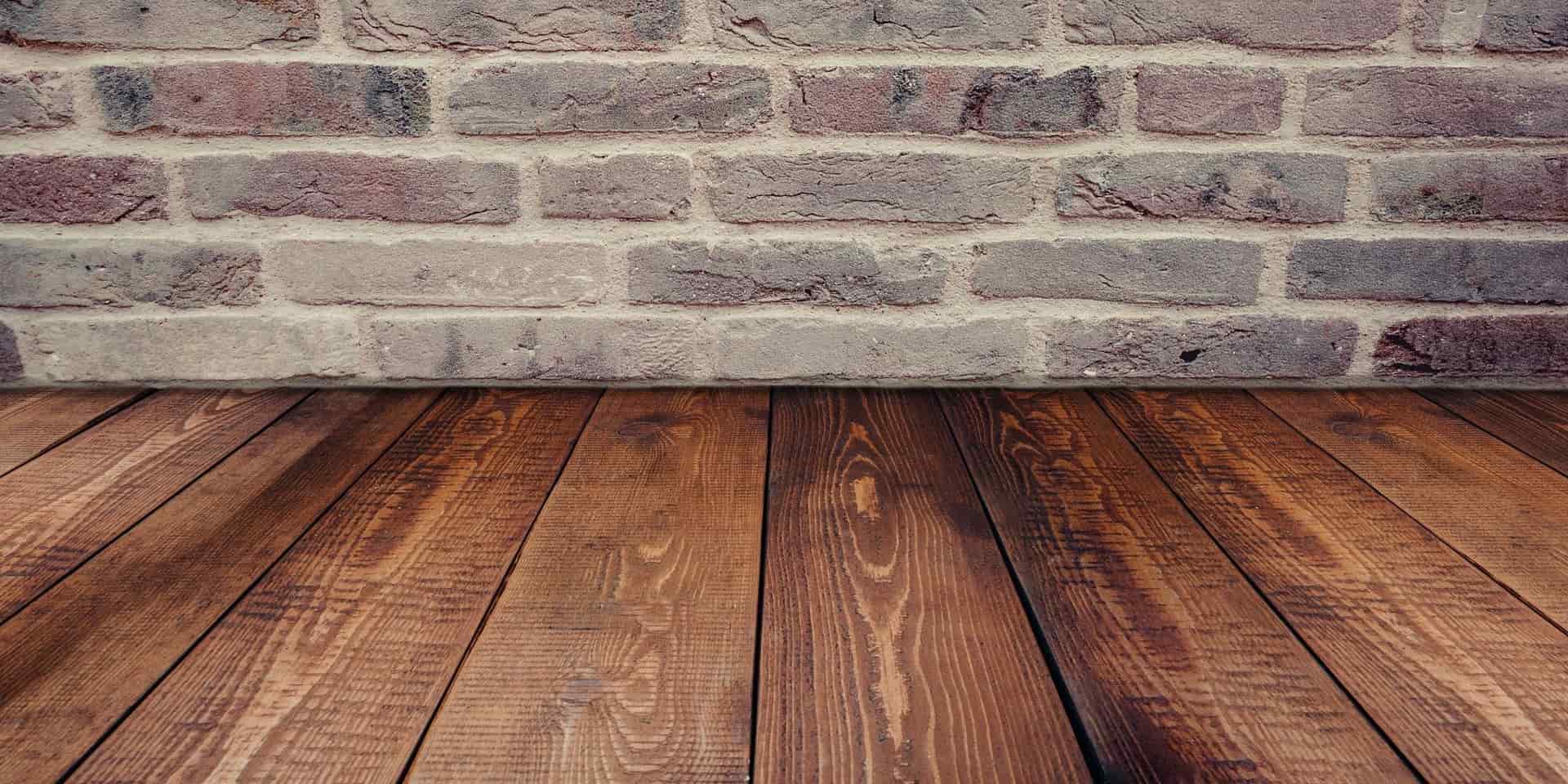 KOLAKO Brick Clips A stainless spring clip that grips one brick face. Nothing enters the wall, no tools, and it comes off leaving the brick untouched. | Best for brick | |
| 2 | 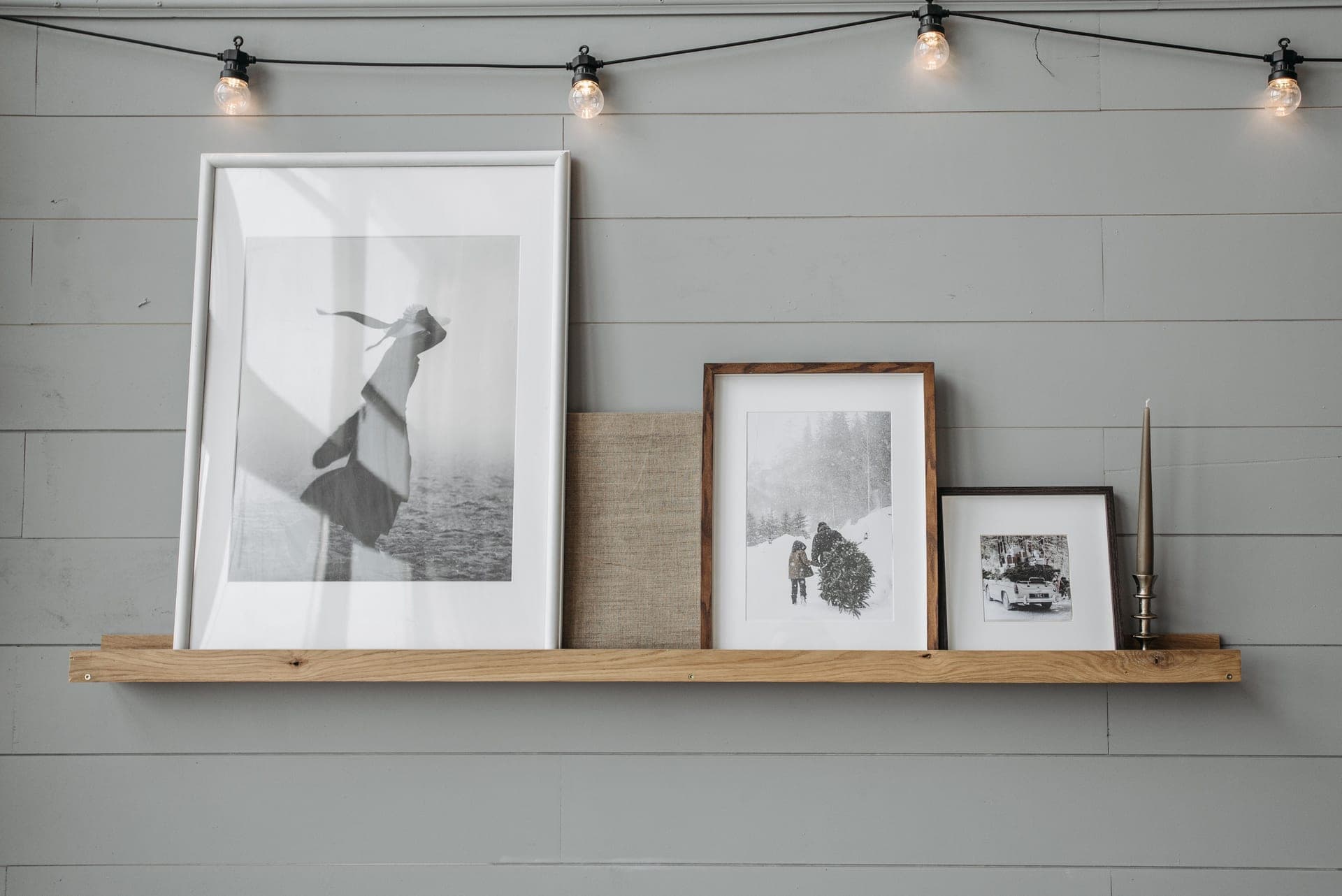 Kate and Laurel Levie Wood Floating Picture Ledge Put it on the plastered wall and lean the frames. Keeps the brick bare, which is usually what the brick is for. | Best when clips will not fit | |
| 3 | 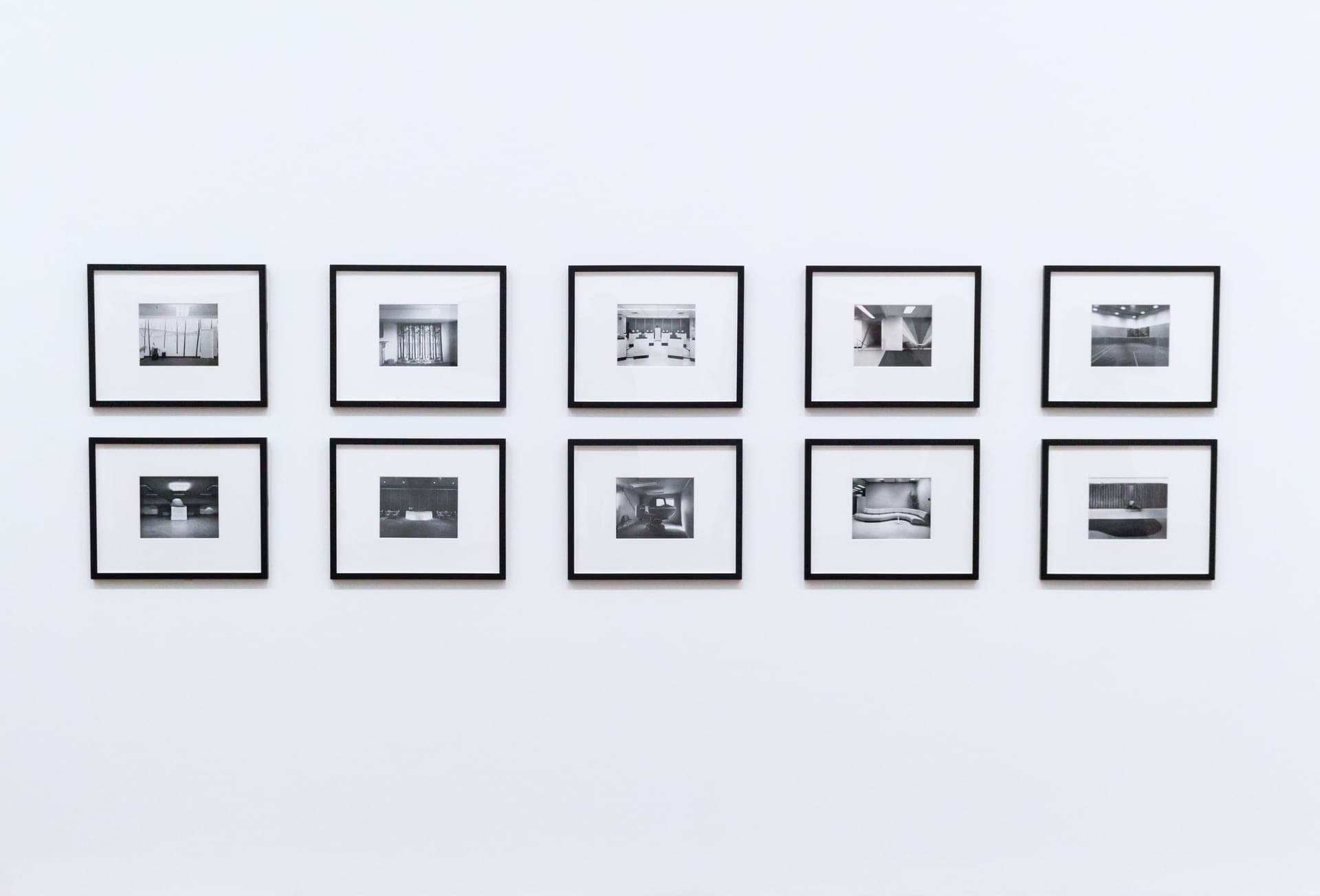 STAS Cliprail Picture Hanging System Set Fix the rail to the timber or plaster above the brickwork and hang everything from cords. The brick stays untouched. | Best for a whole brick wall |
Measure the brick before you buy anything
A brick clip is a spring steel band sized to a specific brick height. Too small and it will not go on; too large and it slides. This is the one measurement that decides whether the product works, and it is the one people skip.
- Measure the height of one brick face, top edge to bottom edge, not including the mortar.
- Check the mortar is recessed — the clip needs a lip to hook behind. Flush or proud mortar (a “weathered” or overfilled joint) leaves nothing to grip.
- Buy the clip whose stated range covers your measurement.
| Brick type | Typical face height | Clip fitment |
|---|---|---|
| US modular brick | 2 1/4 in (BIA standard) | Covered by standard clips (roughly 2.25-2.4 in) |
| US queen size | About 2 3/4 in | Needs a wide-range clip |
| Reclaimed or handmade | Varies course to course | Measure several — one size may not fit all |
| Brick slips / veneer | Varies, often thin | Check the clip clears the backing board |
Fitting the clip
No tools. Hook the bottom lip of the clip under the lower mortar joint, flex the top over the brick face, and let it spring into the upper joint. It should take a firm push and then sit tight enough that it does not slide sideways under hand pressure.
Use two clips for anything wide. A single clip is a pivot point, and a wide frame on one clip will rotate itself crooked within a week. Two clips at the frame’s hanging points solve that and roughly double the capacity.
What does not work on brick
- Adhesive strips and hooks. Brick is porous and its face is uneven at exactly the scale adhesive needs to be flat. Painted brick is not better — the paint follows the texture.
- Drywall hooks. A Monkey Hook needs hollow board to rotate behind. It will not enter brick at all.
- Mounting putty. Picks up brick dust and fails, and can stain the face of soft brick.
- Masonry nails. These work, but they are drilling by another name — the hole is permanent, visible and cannot be filled invisibly.
If the brick is wrong for clips
Some brick walls simply will not take a clip: flush mortar, irregular reclaimed courses, thin veneer with no real joint. Two alternatives, both of which suit exposed brick visually anyway:
- Lean it. A large framed piece or canvas leaning on a mantel, a console or the floor. On brick this reads as a deliberate industrial look rather than a workaround.
- Ledge on the adjacent wall. If only one wall is brick, put the ledge on the plastered one and let the brick stay bare. An exposed brick wall is usually the feature; covering it in frames is not always the win it looks like on a mood board.
The picks in full
Each entry states what it is for, the specification that decides it, and who should skip it.
1. Best for brick
KOLAKO Brick Clips
KOLAKO
A stainless spring clip that grips one brick face. Nothing enters the wall, no tools, and it comes off leaving the brick untouched.
- Fits
- Brick courses 1.75 in to 2.75 in tall with recessed mortar
- Material
- Stainless steel spring clip
- Tools
- None — the clip springs over the brick face
- Wall damage
- None. Nothing enters the brick or the mortar
The spec that decides it: Fits brick courses 1.75 to 2.75 in tall — measure yours before ordering.
Skip it if: Your mortar is flush or proud rather than recessed. The clip has nothing to hook behind.
2. Best when clips will not fit
Kate and Laurel Levie Wood Floating Picture Ledge
Kate and Laurel
Put it on the plastered wall and lean the frames. Keeps the brick bare, which is usually what the brick is for.
- Lengths
- Sold in several lengths including 24 in and 42 in
- Lip
- Front lip holds leaning frames
- Finishes
- White, black, gold
- Mounting
- Wall screws — one shelf replaces a row of frame holes
The spec that decides it: Front lip sized for leaning frames; lengths from 24 in up.
Skip it if: Every wall in the room is brick — the ledge still needs masonry fixings somewhere.
3. Best for a whole brick wall
STAS Cliprail Picture Hanging System Set
STAS
Fix the rail to the timber or plaster above the brickwork and hang everything from cords. The brick stays untouched.
- Coverage
- Sets sized from about 4.9 ft to 29.5 ft of wall
- Rated load
- Cliprail Pro: up to 99 lb per 39.25 in of rail (manufacturer figure)
- Adjustment
- Hooks and cords slide along the rail — no new holes to move a frame
- Wall damage
- One row of screw holes at the top of the wall
The spec that decides it: Cliprail Pro rated up to 99 lb per 39.25 in of rail.
Skip it if: There is no fixable surface above the brick — the rail has to attach to something.
Common questions
How do you hang pictures on a brick wall without drilling?
Use a brick clip: a spring steel band that hooks into the recessed mortar joints above and below a single brick. Nothing enters the wall, no tools are needed, and the clips are commonly rated around 25 to 30 lb each.
Do command strips work on brick?
No. Brick is porous and its face is uneven at exactly the scale adhesive needs to be smooth, so the bond never forms properly. Painting the brick does not help — the paint follows the texture underneath.
What size brick clip do I need?
Measure the height of one brick face, excluding the mortar joints. US modular brick is typically about 2.25 inches, which standard clips cover. Oversize and queen brick run closer to 2.75 inches and need a wide-range clip.
How much weight can a brick clip hold?
Commonly around 25 to 30 lb per clip, assuming a sound brick with properly recessed mortar. Use two clips for anything wide — a single clip acts as a pivot and the frame will work itself crooked.
Can you hang pictures on a brick fireplace?
Yes, with brick clips, but check the surface temperature during a fire first and keep anything on paper well clear of the firebox opening. Soot deposits are also a consideration for unglazed artwork.
Sources for the figures on this page
Read next
- How to Hang Pictures Without Nails
Every no-nail method ranked by rated weight capacity, from 1 lb poster strips to a 35 lb drywall hook.
- Hanging on Textured Walls
Why adhesive fails on orange peel, knockdown and popcorn — and the three fixings that hold on a textured wall.
- Best No-Drill Hanging Kits
Drywall hooks at 35 lb, no-stud plates at 200 lb, and rail systems — with the wall damage each one actually causes.
- Best Picture Ledges
Ledges compared on length, lip depth and mounting — the two-screw alternative to hanging a whole gallery wall.
- Wall Art for the Living Room
Sizing by sofa width, the formats that work above a sofa, and picks that hang without drilling.
- Hanging a Heavy Mirror Without Drilling
Why adhesive is out at mirror weights, the no-stud plates rated 100-200 lb, and when to lean it instead.