DIY Picture Frame vs Buying One
Making a frame is not hard. It is just more expensive than it looks, because the wood is the cheap part and the miter joint is the part that goes wrong.
By Janet H. · Published
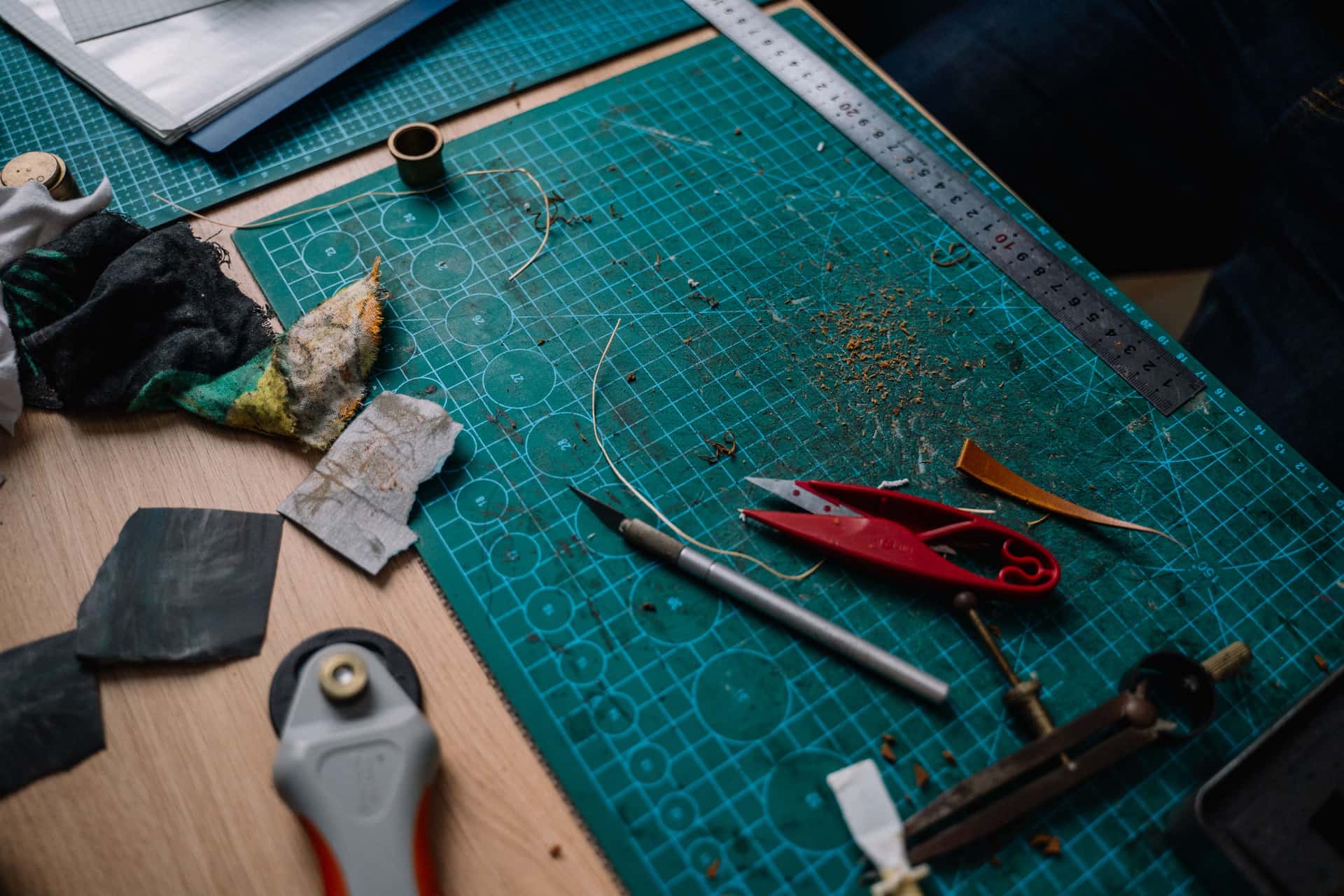
Build the frame if the size is non-standard, the profile you want is not sold, or the material has to be something specific — reclaimed timber, a deep box section, a painted finish you are matching. Buy it in every other case, because a mail-order frame at a standard size costs less than its own glazing would cost you separately.
The reason most people look up DIY framing is that their art is an odd size. That problem has a second solution: a made-to-size frame, cut to a dimension you specify. It is worth pricing that before you buy a miter saw.
Disclosure: Hang & Hue earns commission from qualifying purchases made through the links on this page, at no extra cost to you. As an Amazon Associate we earn from qualifying purchases. It does not change which products we recommend or the order they appear in — read our editorial policy and full affiliate disclosure.
Quick picks
Tap any row to jump to the full write-up.
| # | Product | Best for | Price |
|---|---|---|---|
| 1 | 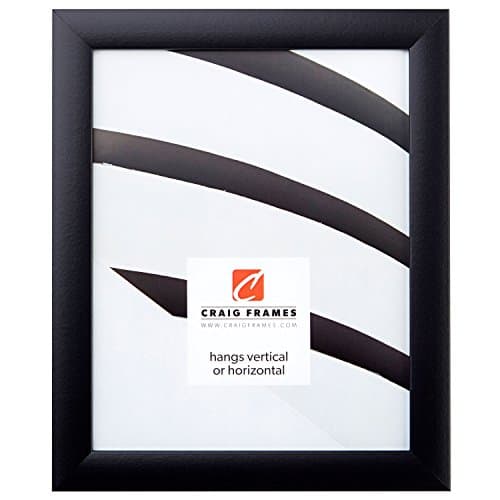 Craig Frames Picture Frame The reason most DIY framing projects start is a size nobody stocks. This range extends to oversize and non-standard dimensions, which removes that reason for the price of a frame rather than a workshop. | Best alternative to building one | $24.99 · View on Amazon #ad How we’re funded · Price as of November 1, 2026 |
| 2 |  Golden State Art Pre-Cut Mat Board Pre-cut acid-free mats with backing in the standard step-down pairs. A bevel cutter plus practice board costs more than a stack of these, and the first several you cut will overcut at the corners. | Best component to buy rather than cut | $17.99 · View on Amazon #ad How we’re funded · Price as of November 1, 2026 |
| 3 | 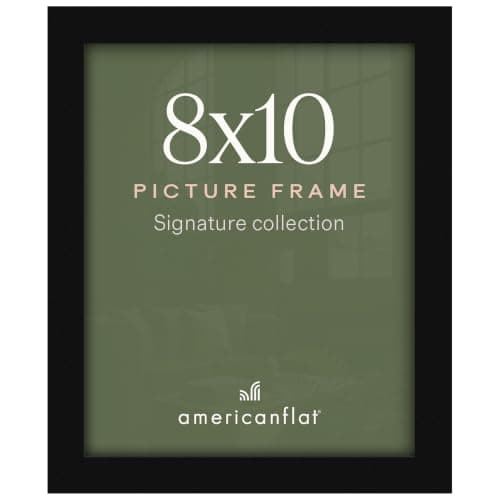 Americanflat Picture Frame 4x6 through 24x36 with shatter-resistant plexiglass and a mat on most sizes, assembled and with hardware. At a standard size this costs less than the components would separately. | Best proof that buying wins at standard sizes | $9.99 · View on Amazon #ad How we’re funded · Price as of November 1, 2026 |
A frame is five components, not one
"Making a picture frame" usually means making the molding. The molding is one of five parts, and it is the only one where the raw material is genuinely cheap.
| Component | What it does | Can you make it? | Notes |
|---|---|---|---|
| Molding | The four sides, mitered at 45 degrees | Yes | Needs a rabbet — a lip cut on the inside edge for everything else to sit in |
| Glazing | Glass or acrylic over the artwork | Not really | Cut to size at a glazier or bought as a sheet; acrylic can be scored and snapped |
| Mat | The border, and the spacer that holds art off the glazing | Yes, with a bevel cutter | Pre-cut mats exist in standard pairs and cost less than the cutter |
| Backing board | Holds the art flat against the glazing | Yes | Foam board or mat board cut to the frame's outer dimension |
| Hardware | Points or clips to hold the stack in, plus the hanger | No | Cheap, but it has to be bought |
Why the miter joint is where it goes wrong
A rectangular frame has four 45-degree miters. The errors add: if each cut is half a degree out, the fourth joint is two degrees out, and a two-degree gap at the corner is visible from across the room. This is the one part of the job a chop saw and a steady hand do not reliably fix, which is why framing shops use a dedicated miter trimmer and a corner vise.
The practical workaround for a first frame is to cut long and trim, clamp all four corners at once with a strap clamp rather than one at a time, and glue plus pin rather than glue alone. None of that is expensive. It is just time, and it is time spent on something a machine does perfectly for a few dollars.
The two cases where building genuinely wins
A size nothing is sold in. An assembled puzzle, a panoramic print, a piece of fabric, a record sleeve, an odd-shaped vintage poster. This is the real DIY case, and it is the honest one.
A material or depth that is not on the market. Reclaimed barn wood, a 4-inch deep box to hold an object, a molding painted to match trim in the room. Here you are not saving money, you are buying something that does not exist — a different and better reason.
What is not a winning case is saving money on a standard size. A mail-order 11x14 frame arrives with molding, glazing, a mat, backing and hanging hardware, assembled, for less than the glazing alone costs cut to size at a glass shop. That is not a close call, and nobody who frames for a living pretends otherwise.
The option in between
Made-to-size framing is the route most people do not know exists. You give a supplier the dimensions, they cut the molding, the glazing, the mat and the backing to match, and it arrives assembled or as a kit. It costs more than a stock frame and considerably less than tooling up.
That covers the first DIY case entirely — the odd size — and leaves only the second, where the point was the material. If your reason for building was that nothing fits, price a made-to-size frame before you commit. Custom frames versus standard sizes works through where the line sits, and the frame sizes chart will tell you whether your art is closer to a standard size than you think.
The one component always worth buying
The mat. A bevel mat cutter plus a straightedge plus practice board costs more than a stack of pre-cut acid-free mats, and the first several mats you cut will have overcuts at the corners. Pre-cut mats come in the standard step-down pairs — 11x14 matted to 8x10, 16x20 matted to 11x14 — which is what most art needs anyway.
Cut your own only when the window is non-standard, which is the same rule as the frame itself. The sizes and the arithmetic are in mat sizes for standard prints, and the method is in how to mat a print.
Hanging a frame you built
A homemade frame usually weighs more than a bought one, because framing molding is milled thin and hardware-store lumber is not. Weigh it before choosing a fixing rather than assuming it behaves like a shop-bought frame of the same size.
Fit the hanger yourself and fit it properly: a sawtooth hanger centered on the top rail for anything small, or D-rings and wire at a third of the way down the sides for anything heavy. Then match the wall fixing to the weight — hanging pictures without studs lists every option by rated capacity, from 4 lb adhesive strips to a 200 lb no-stud hanger.
The picks in full
Each entry states what it is for, the specification that decides it, and who should skip it.
1. Best alternative to building one
Craig Frames Picture Frame
Craig Frames
The reason most DIY framing projects start is a size nobody stocks. This range extends to oversize and non-standard dimensions, which removes that reason for the price of a frame rather than a workshop.
- Sizes
- Very wide size range, including oversize and non-standard
- Glazing
- Lightweight shatter-resistant acrylic front
- Profiles
- Contemporary through ornate; wide molding choice
- Origin
- Made in the USA
The spec that decides it: Very wide size range including oversize and non-standard dimensions; made in the USA.
Skip it if: The point was the material — a reclaimed-timber or painted-to-match frame has to be built.
#ad How we’re funded · Price as of November 1, 2026
2. Best component to buy rather than cut
Golden State Art Pre-Cut Mat Board
Golden State Art
Pre-cut acid-free mats with backing in the standard step-down pairs. A bevel cutter plus practice board costs more than a stack of these, and the first several you cut will overcut at the corners.
- Cut
- Pre-cut bevel opening, standard step-down sizes
- Material
- Acid-free board with backing and a clear sleeve on most packs
- Sizes
- Common pairs such as 11x14 matted to 8x10
- Packs
- Singles and multi-packs
The spec that decides it: Pre-cut bevel opening on acid-free board with backing; standard step-down pairs.
Skip it if: Your window is non-standard — that is the case where cutting your own is the point.
#ad How we’re funded · Price as of November 1, 2026
3. Best proof that buying wins at standard sizes
Americanflat Picture Frame
Americanflat
4x6 through 24x36 with shatter-resistant plexiglass and a mat on most sizes, assembled and with hardware. At a standard size this costs less than the components would separately.
- Sizes
- Wide standard range from 4x6 to 24x36
- Glazing
- Shatter-resistant polished plexiglass on most sizes
- Matting
- Most sizes ship with a removable mat
- Orientation
- Hangs vertical or horizontal; most sizes also stand
The spec that decides it: Standard range 4x6 to 24x36; shatter-resistant plexiglass; mat on most sizes.
Skip it if: Your art is not a standard size — no stock frame solves that, however cheap it is.
#ad How we’re funded · Price as of November 1, 2026
Common questions
Is it cheaper to make your own picture frame?
At a standard size, no. A mail-order frame arrives with molding, glazing, a mat, a backing board and hanging hardware for less than the glazing alone costs cut to size at a glass shop. DIY framing saves money only when the alternative is a bespoke commission, which is the case at non-standard sizes.
What do you need to make a picture frame?
Molding with a rabbet cut into the inside edge, a way to cut accurate 45-degree miters, glue and corner fixings, glazing cut to size, a mat, a backing board, and hanging hardware. Only the molding is cheap raw material; the other four components are bought whether you build the frame or not.
What is a rabbet on a picture frame?
The rabbet is the step cut along the inside edge of the molding that the glazing, mat, artwork and backing board all sit in. Framing molding is sold with it already cut. Plain lumber is not, which means routing it, cutting it on a table saw, or gluing a second strip of wood along the inner edge to form the lip.
Should I cut my own mats?
Only for non-standard window sizes. Pre-cut acid-free mats come in the standard step-down pairs such as 11x14 matted to 8x10, and a stack of them costs less than a bevel cutter plus the practice board you will need before the corners stop overcutting.
Is a custom frame better than a DIY frame?
For the common DIY motivation — art that is an odd size — a made-to-size frame solves the problem at a fraction of the cost of tooling up, and arrives square. Building is the better answer only when the material or the depth is the point: reclaimed wood, a deep box section, or a finish matched to something in the room.
Read next
- Custom Picture Frames vs Standard Sizes
What custom framing actually buys, the three standard-size workarounds that cover most of it, and the four cases where custom is genuinely the right call.
- Picture Frame Sizes Chart
Every standard frame size with its unmatted and matted capacity — the table to check before you order anything.
- How to Mat a Print
Working out the opening, choosing acid-free board, and the two mounting methods that do not damage the print.
- Mat Sizes for Standard Prints
The complete print size to mat opening to frame size matrix, with published border widths by artwork size.
- Acrylic vs Glass Glazing
Weight, scratch resistance, optical flatness and safety compared — and why the weight difference decides the hanging method.
- Best Cheap Picture Frames
Budget frames compared on glazing clarity, molding depth and whether a mat is included — the three things that decide whether cheap reads as cheap.
- Hanging Pictures Without Studs
Published ratings for every fixing that works in hollow drywall with no stud, from 4 lb adhesive strips to a 200 lb no-stud hanger.