Removing Adhesive Strips Without Damage
The strips are designed to come off cleanly. Almost every horror story is the same three mistakes — and all three are avoidable.
By Janet H. · Published

Pull the tab straight down, slowly, flat against the wall, and keep pulling until the strip releases on its own. The adhesive is designed to stretch and shear rather than peel. Stretch it and it lets go cleanly; peel it and it takes paint.
Three mistakes account for nearly every failure: pulling outward instead of down, pulling fast, and stopping halfway. None of them is about the product.
Disclosure: Hang & Hue earns commission from qualifying purchases made through the links on this page, at no extra cost to you. As an Amazon Associate we earn from qualifying purchases. It does not change which products we recommend or the order they appear in — read our editorial policy and full affiliate disclosure.
Quick picks
Tap any row to jump to the full write-up.
| # | Product | Best for | Price |
|---|---|---|---|
| 1 | 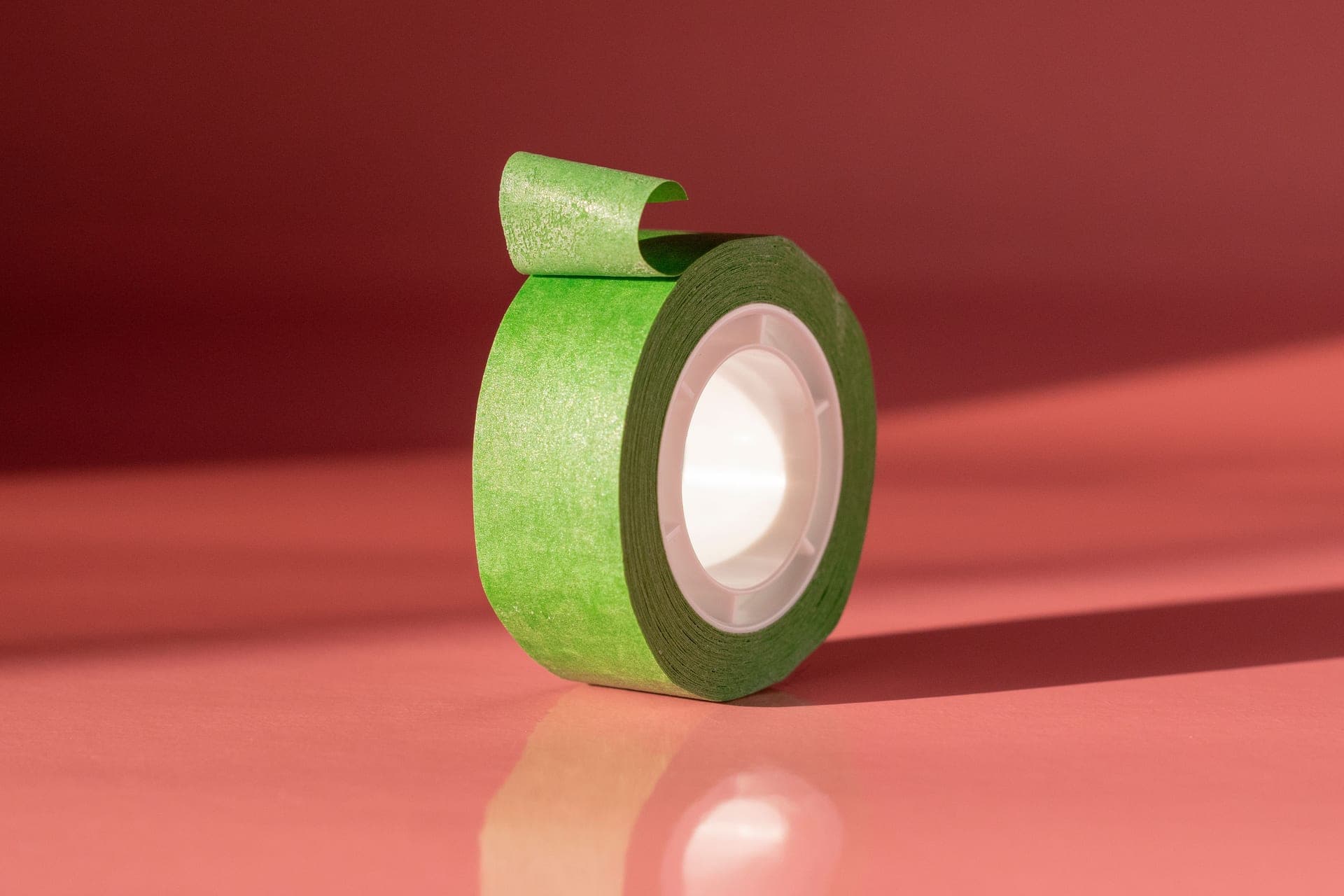 Command Small, Medium and Large Refill Strips (17200CLR) Refill strips in all three sizes, so a hook or hanger you already own goes back on the wall without buying the whole product again. | Best for re-hanging after removal | |
| 2 | Command Large Refill Strips (17023P) 5 lb refills for large hooks and hangers, in quantity. The cheaper option if you only use one size. | Best single-size refill | |
| 3 | VELCRO Brand HANGables Removable Wall Fasteners If you are removing strips regularly, the product was wrong. Hook-and-loop detaches and reattaches indefinitely with no consumables. | Best if this keeps happening |
The method, in order
- Take the frame off the wall first. Never remove a strip with weight still on it.
- Find the tab. It sits at the bottom of the wall-side strip and is usually flush with the wall.
- Grip it between finger and thumb and pull straight down, keeping your hand flat against the wall as you go.
- Pull slowly — count to ten. The adhesive needs time to stretch rather than tear.
- Keep pulling. The strip may stretch several inches before it releases. That is normal and it is the whole mechanism; stopping early is what tears paint.
When it goes wrong
| Problem | Fix |
|---|---|
| The tab snapped off | Slide dental floss or fishing line behind the strip and saw gently downward, keeping the line flat to the wall. |
| The tab is hidden behind the frame | The frame has to come off first. If the frame is stuck to the strip, warm the strip through the frame with a hairdryer for 20 seconds and lift. |
| It will not stretch — it has been up for years | Warm it with a hairdryer on low for 20-30 seconds. Heat softens aged adhesive enough to shear again. |
| Adhesive residue left on the wall | Rub gently with a dry finger first. If that fails, a little isopropyl alcohol on a cloth, dabbed not scrubbed. |
| Paint came off anyway | See the repair section below. It is a 20-minute job, not a disaster. |
If the paint lifted anyway
This happens most on paint that was under a month old when the strip went up, and on builder-grade flat paint. The repair is straightforward:
- Sand the lifted edge flush with fine paper (220 grit). You are feathering the edge, not removing the patch.
- Spot-prime if bare drywall paper is showing. Skip this if only the top coat lifted.
- Touch in with the original paint, feathering outward past the repair.
- Let it dry fully and assess in daylight before deciding whether it needs a second coat.
Ask the building manager for the paint code at move-in rather than move-out. It is a thirty-second question that turns a color-matching problem into a touch-up.
Re-hanging afterwards
Flat picture-hanging strips are single-use: once stretched off, they are done. Command hooks are different — the hook body is reusable with a replacement adhesive strip, and 3M sells refills rated 1, 3 and 5 lb by size.
If you expect to take a frame down more than once, the product was wrong rather than the technique. Hook-and-loop fasteners detach and reattach indefinitely: Command versus VELCRO covers the trade-off. And for a wall you rearrange regularly, a picture rail eliminates the question.
The picks in full
Each entry states what it is for, the specification that decides it, and who should skip it.
1. Best for re-hanging after removal
Command Small, Medium and Large Refill Strips (17200CLR)
3M Command
Refill strips in all three sizes, so a hook or hanger you already own goes back on the wall without buying the whole product again.
- Rated weight
- 1 lb, 3 lb and 5 lb by size
- Use
- One pack covers a mixed set of hooks and hangers
- Wall types
- Painted drywall, finished wood, tile, metal, glass
- Removal
- Stretch-release tab
The spec that decides it: 1 lb, 3 lb and 5 lb ratings in one pack, matched to the existing hook bodies.
Skip it if: You are re-hanging flat picture strips — those are single-use and need new strips, not refills.
2. Best single-size refill
Command Large Refill Strips (17023P)
3M Command
5 lb refills for large hooks and hangers, in quantity. The cheaper option if you only use one size.
- Rated weight
- 5 lb
- Use
- Re-sticks an existing Command hook or hanger after removal
- Wall types
- Painted drywall, finished wood, tile, metal, glass
- Removal
- Stretch-release tab
The spec that decides it: 5 lb rating, sized for the large Command hook bodies.
Skip it if: Your hooks are medium or small — the large strip overhangs and bonds unevenly.
3. Best if this keeps happening
VELCRO Brand HANGables Removable Wall Fasteners
VELCRO Brand
If you are removing strips regularly, the product was wrong. Hook-and-loop detaches and reattaches indefinitely with no consumables.
- Rated weight
- Up to 16 lb per pack (manufacturer figure)
- Strip size
- 1.75 x 3 in
- Fastening
- Hook-and-loop — frame lifts off the wall pad
- Removal
- Peel tab on the wall-side pad
The spec that decides it: Up to 16 lb per pack, with a reusable hook-and-loop join.
Skip it if: The frame is slim and viewed side-on — the fastener holds it visibly proud of the wall.
Common questions
How do you remove command strips without damaging the wall?
Take the frame off first, find the tab at the bottom of the wall-side strip, and pull it straight down slowly, keeping your hand flat against the wall. Keep pulling until the strip releases on its own — it may stretch several inches, and stopping early is what tears paint.
What do you do if the command strip tab breaks?
Slide dental floss or fishing line behind the strip and saw gently downward, keeping the line flat against the wall. Never get a fingernail or a blade under the edge — prising lifts the paint at exactly the point you are levering from.
Does a hairdryer help remove command strips?
Yes, for strips that have been up a long time. Warm the strip on a low setting for 20 to 30 seconds. Heat softens aged adhesive enough for it to shear again rather than tearing. Use it before the strip resists, not after the paint lifts.
Can you reuse command strips after removing them?
Flat picture-hanging strips are single-use — they stretch permanently on removal. Command hook bodies are reusable with replacement refill strips, which 3M sells rated 1, 3 and 5 lb by size.
How do you fix paint that came off with a command strip?
Sand the lifted edge flush with 220 grit paper, spot-prime if bare drywall paper is showing, then touch in with the original paint feathered outward past the repair. Ask for the paint code at move-in rather than move-out.
Sources for the figures on this page
Read next
- Best Picture Hanging Strips
Strip-by-strip weight ratings mapped to the frame sizes each one suits, from a 5x7 photo to a 24x36 poster frame.
- Command Strips vs VELCRO Strips
Rated weights, reusability and how proud the frame sits — the four axes that actually separate the two systems.
- How to Hang Pictures Without Nails
Every no-nail method ranked by rated weight capacity, from 1 lb poster strips to a 35 lb drywall hook.
- Best Damage-Free Wall Hooks
Adhesive hooks from 3 lb to 7.5 lb, which frame backs each one suits, and when a hook beats a strip.
- Picture Rail vs Adhesive Hanging
Weight ceilings, install cost and what happens the third time you rearrange the wall.
- Hanging on Textured Walls
Why adhesive fails on orange peel, knockdown and popcorn — and the three fixings that hold on a textured wall.